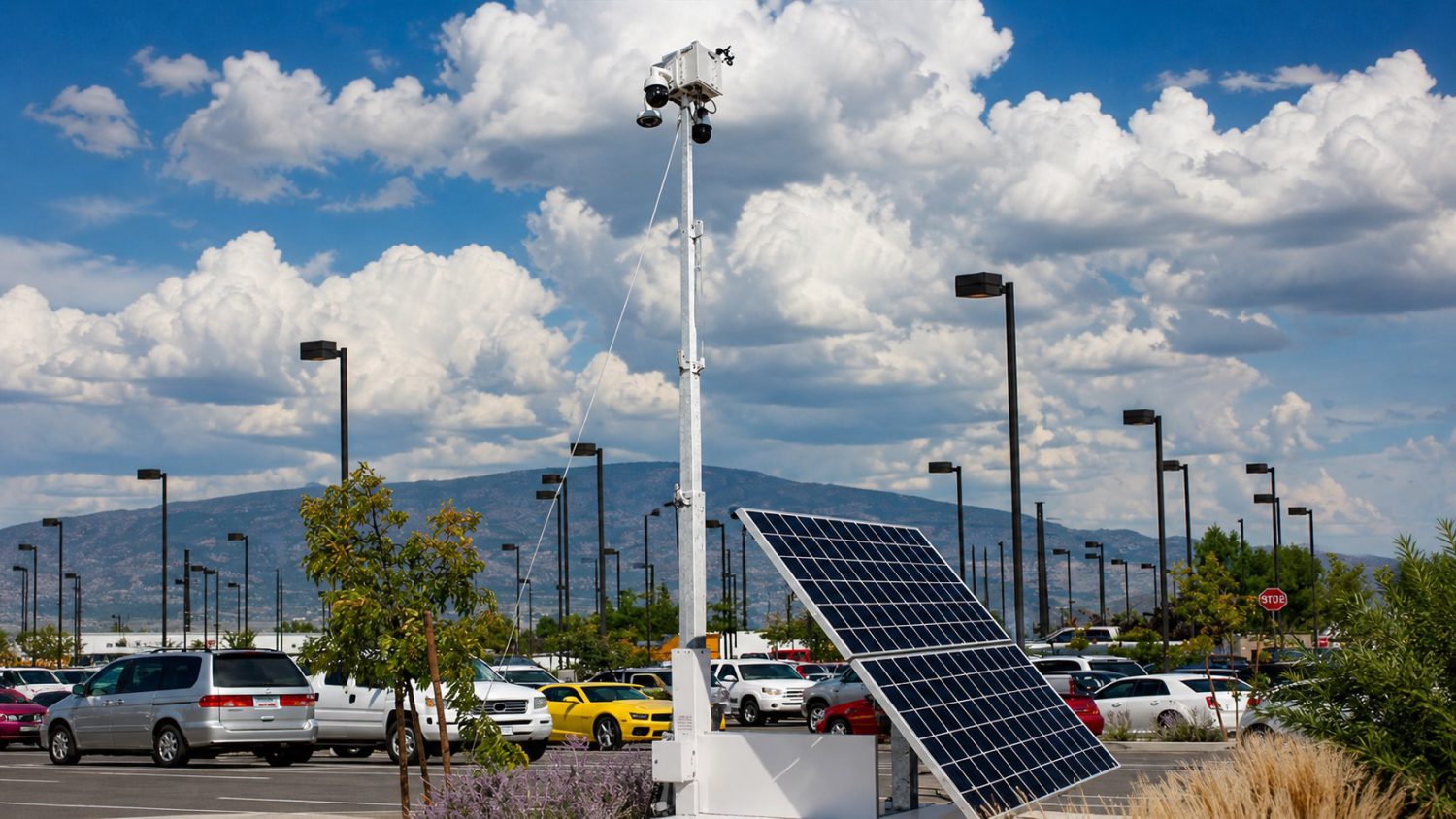
You have seen one of these towers. Parking lots, city plazas, the corner near the bus stop. You probably assumed it was a passive deterrent. It is not. That unit is a self-powered, cellular-connected node streaming live video and license plate data to a private company’s cloud. Law enforcement can access it through platforms like Axon’s Fusus, with considerably less friction than a traditional warrant. This surveillance app architecture is not theoretical. It is operating right now in San Francisco, Austin, and across California.
What That Tower Actually Does
A 22-foot mast with thermal cameras, speakers, and an LTE uplink is just the beginning of the story.
LiveView Technologies, the dominant vendor in this space, describes its product plainly: “Mobile video surveillance units (MSUs) are self‑powered, rapidly deployable camera systems that stream live video feeds and store event recordings in the cloud,” according to the company’s product description on lvt.com.
The physical unit backs that up. Pan-tilt-zoom cameras, thermal imaging capable of identifying movement at over 1,200 feet in darkness, automated license plate readers, floodlights, and speakers that can broadcast personalized audio messages to anyone in the monitored area. Setup takes 30 minutes or less, no power hookup required.
If you are standing in that parking lot, an automated system you never consented to is watching you, reading your plate, and potentially talking to you.
Where Your Data Actually Goes
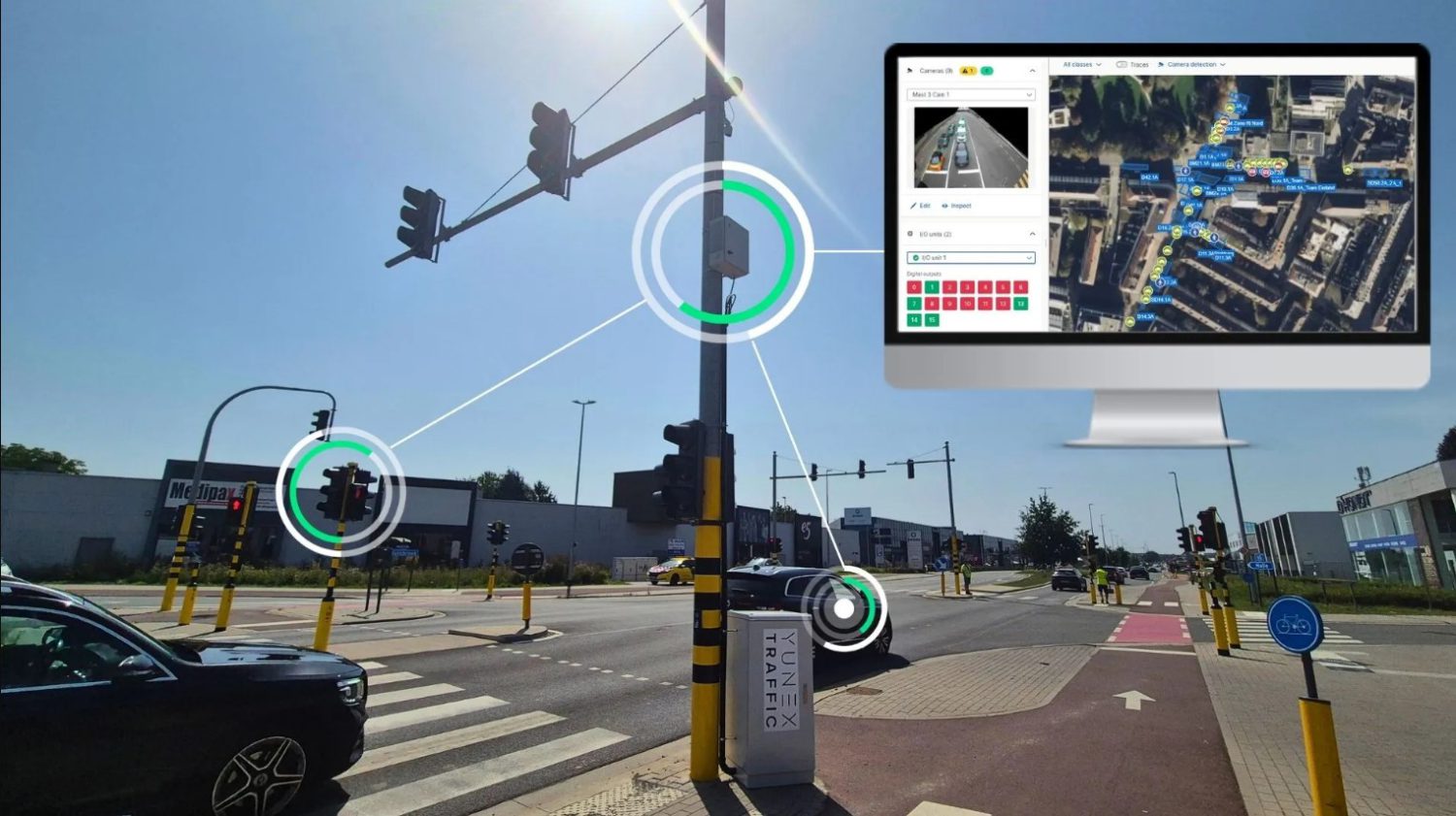
A 2024 integration between LVT and Axon’s Fusus platform lets police stream and control these cameras from a precinct desk in real time.
That Fusus dashboard giving an officer live camera control from a command center is the kind of interface that would feel at home in a Succession boardroom scene, if Succession were about municipal contracts instead of media empires. The accountability infrastructure, however, is nowhere near as polished as the aesthetic.
Feeding that command center is a web of fusion centers. CalOnews, reporting on the Northern California Regional Intelligence Center and Flock Safety in Santa Ana, described them as “black-box-style intelligence centers that share data between federal, state, local, and tribal agencies, as well as the private sector.” The Department of Homeland Security oversees them; federal, state, and local dollars fund them.
NCRIC conducted over 27,000 searches against Santa Ana’s Flock ALPR network in a single six-month period. The Western States Information Network then illegally searched NCRIC’s data on behalf of federal and out-of-state agencies, violating California’s explicit ban on sharing ALPR data outside the state.
Investigative reporting and public records documented that violation. It happened anyway.
Where the Governance Fails
Austin residents made it plain at a recent city council hearing: approving an LVT park-camera contract means opting into mass surveillance with no meaningful exit.
Residents at that hearing warned that vendor data could be combined with commercial data brokers and turned over to federal authorities under Texas SB 4. City staff defended the program. No binding data-custody audit was required. No fusion-center query limits were proposed.
No algorithm specifications were disclosed, either. That gap between the contract language and the actual data flows is the governance failure. Santa Ana and Alameda County signed similar contracts and found their residents’ location histories heavily queried by agencies the contracts never explicitly authorized. This pattern of secretly tracking users extends well beyond any single vendor or city.
Credible reform is not complicated. Contracts should prohibit data-sharing with federal authorities absent a warrant and set mandatory retention limits. They should also require public disclosure of all agency integrations and establish community oversight boards with real authority to cancel agreements. These controls exist in other public-procurement contexts. There is no technical reason they cannot exist here.
What Comes Next
The trailer is not going away. Neither is the vendor’s cloud, the fusion center’s query interface, or the federal agency three states over with access to your city’s ALPR database. The same hidden data risks found in other public space infrastructure apply here as well.
What changes is the contract your city votes on next year. That document is public record. Reading it before the cameras go up is considerably more useful than reading it after.