Autonomous vehicles have stalled at crash scenes, required emergency personnel to intervene, and left first responders without a clear chain of accountability for who was supposed to handle the problem. California’s Senate Bill 1246, signed by Gov. Gavin Newsom in September 2026 and effective July 1, 2028, addresses that gap directly by shifting emergency-response responsibility from first responders to the companies operating autonomous vehicles.
What the Law Requires
The legislation establishes specific staffing, notification, and operational obligations for autonomous-vehicle companies doing business in California.
SB 1246 requires AV operators to deploy local incident technicians to crashes and obstructions upon request from emergency personnel. Companies must also staff remote personnel at levels sufficient to respond immediately to calls and incidents, and they must notify local jurisdictions and emergency dispatch centers during any fleetwide emergency or system failure, including vehicle locations and status.
The law draws a meaningful distinction between two remote-operations models. Remote driving means a human takes direct control of a vehicle from a distance; remote assistance means a human advises or sends instructions while the autonomous system remains in control. Available legislative materials clearly establish that remote drivers must be located in the United States and hold a valid California driver’s license; whether identical location and licensing requirements apply to all remote-assistance personnel remains subject to the final statutory text and DMV implementation rules.
Penalties and What’s Still Unclear
The 30-minute obstruction threshold is confirmed, but key details on fines and response times await DMV rulemaking.
Local authorities may impose fines when an autonomous vehicle blocks first-responder operations during an emergency for more than 30 minutes. Secondary reporting has cited possible penalties of up to $10,000 per obstructing vehicle, but that figure should be treated cautiously until it is confirmed in the final enacted statutory language.
Response-time requirements for local incident technicians are not yet settled. Different legislative analyses cited windows of 10 and 20 minutes, reflecting changes at different stages of the bill’s passage rather than simultaneous requirements of the enacted law. The DMV must establish these standards before the law takes effect on July 1, 2028.
State Sen. Dave Cortese, the bill’s author, argued that clear accountability is needed when an AV crashes, breaks down, blocks a roadway, or interferes with first responders, according to his office. He has stated that California must not embrace innovation at the expense of public safety, though that wording should be treated as a paraphrase until a primary-source transcript is confirmed.
Who This Hits and How
The law’s staffing and location requirements land differently depending on how each company currently structures its remote-operations workforce.
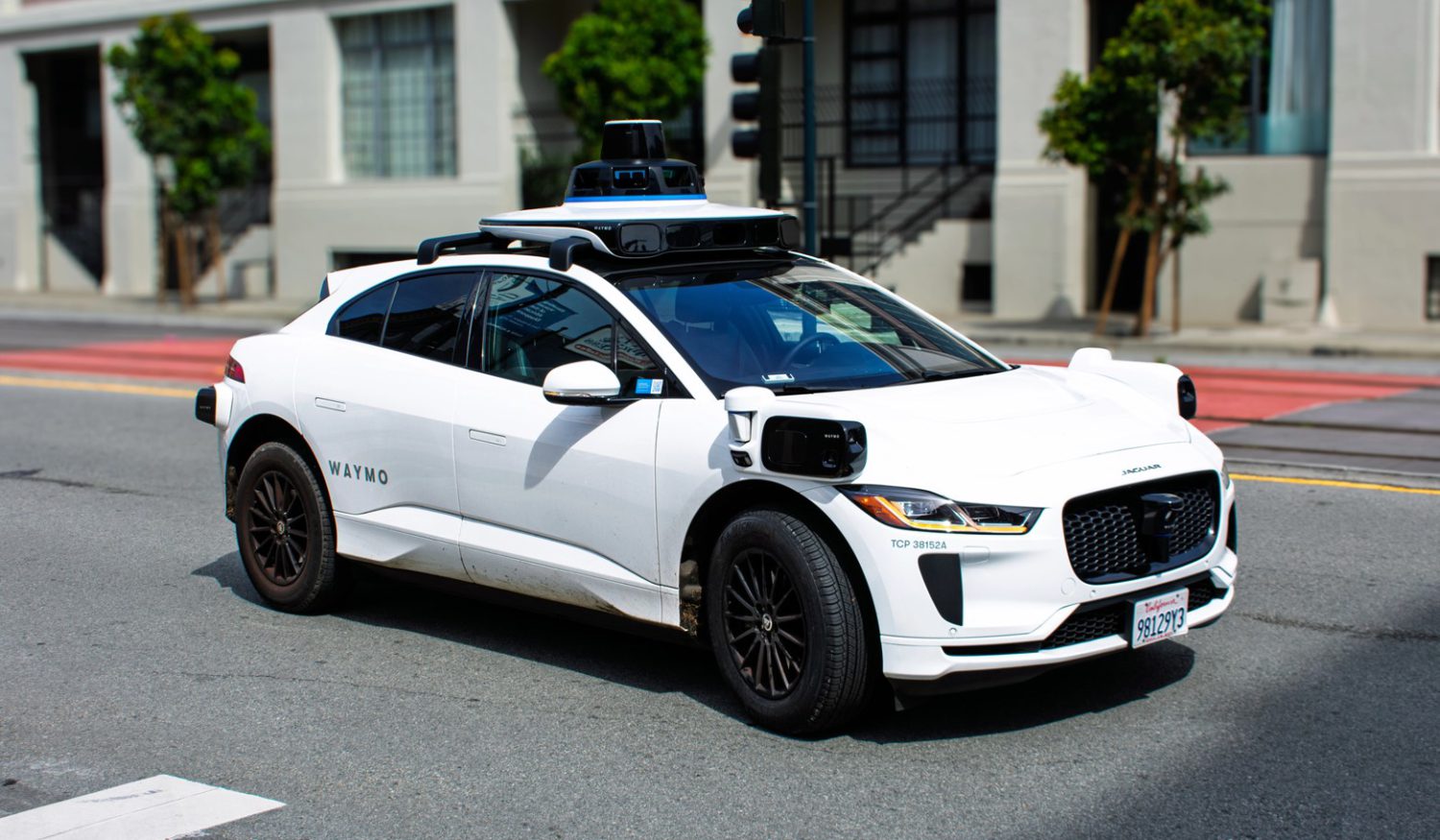
As of the time of signing, Waymo was described in secondary reporting as the largest U.S. robotaxi operator by fleet size, with roughly 4,000 vehicles nationwide and about 1,200 in the San Francisco Bay Area. According to that same reporting, its remote-assistance network includes staff in the Philippines; if the U.S.-location requirement applies to those personnel, Waymo would need to restructure that portion of its workforce before 2028. The company said it welcomed amendments that preserve the feasibility of serving Californians and reaffirmed its commitment to road safety.
Tesla is the only company identified in the available reporting as having publicly stated that it uses remote operators who can directly take control of its robotaxis, placing it squarely within the remote-driving category the law addresses. At least one competitor may already be ahead on the location requirement: Zoox has said its remote-operations teams are U.S.-based.
For companies relying on distributed or overseas support staff, the practical implication is clear: build or contract a domestic response network before the law takes effect.
The Real Test Comes Later
SB 1246 sets the obligations; the DMV’s rulemaking will determine whether those obligations carry real consequences.
The law establishes the framework. Whether it functions as a genuine accountability mechanism depends on how specifically the DMV sets response-time standards and how consistently local governments apply penalties when those standards are not met.