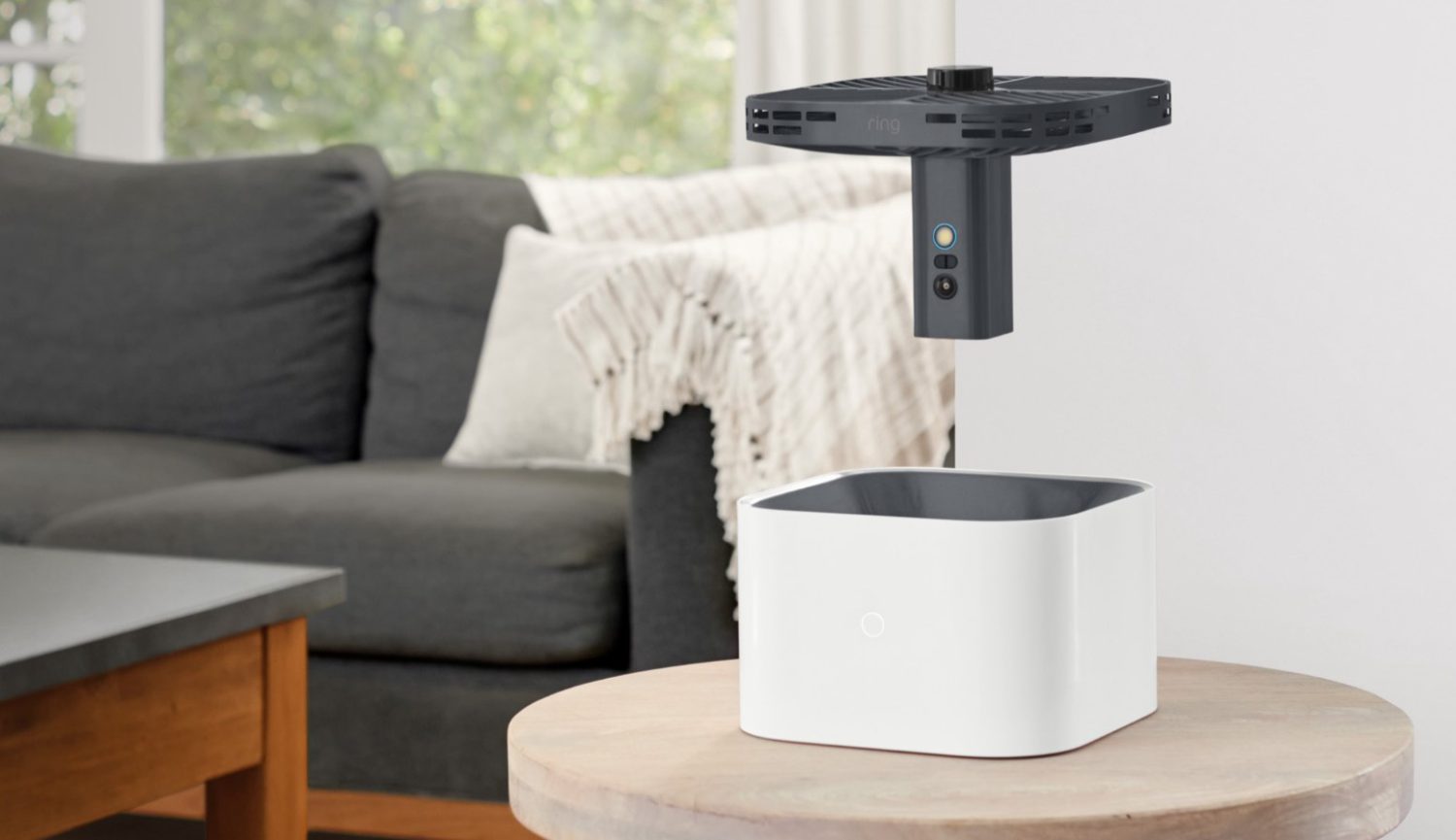
Your Ring alarm trips while you’re at work. Instead of a static motion alert from a fixed camera pointed at one corner, a small drone launches from its dock. It flies a preset route through your home and streams live 1440 × 1440 HD video to your phone. That is the pitch behind the Ring Always Home Cam, an indoor home security camera sold by invitation only through Amazon. The catch worth knowing upfront: it maxes out at five minutes of flight before returning to its dock to recharge.
What the Always Home Cam Actually Does
The camera follows user-mapped flight paths rather than navigating freely through your home.
The device lives in a charging dock between missions. Before it can patrol anything, you map specific flight paths using the Ring app, and the camera follows those routes. Built-in navigation sensors and obstacle-avoidance technology help it move safely indoors, according to Ring’s product page, though those claims come exclusively from Ring and have not been independently verified at the time of publication.
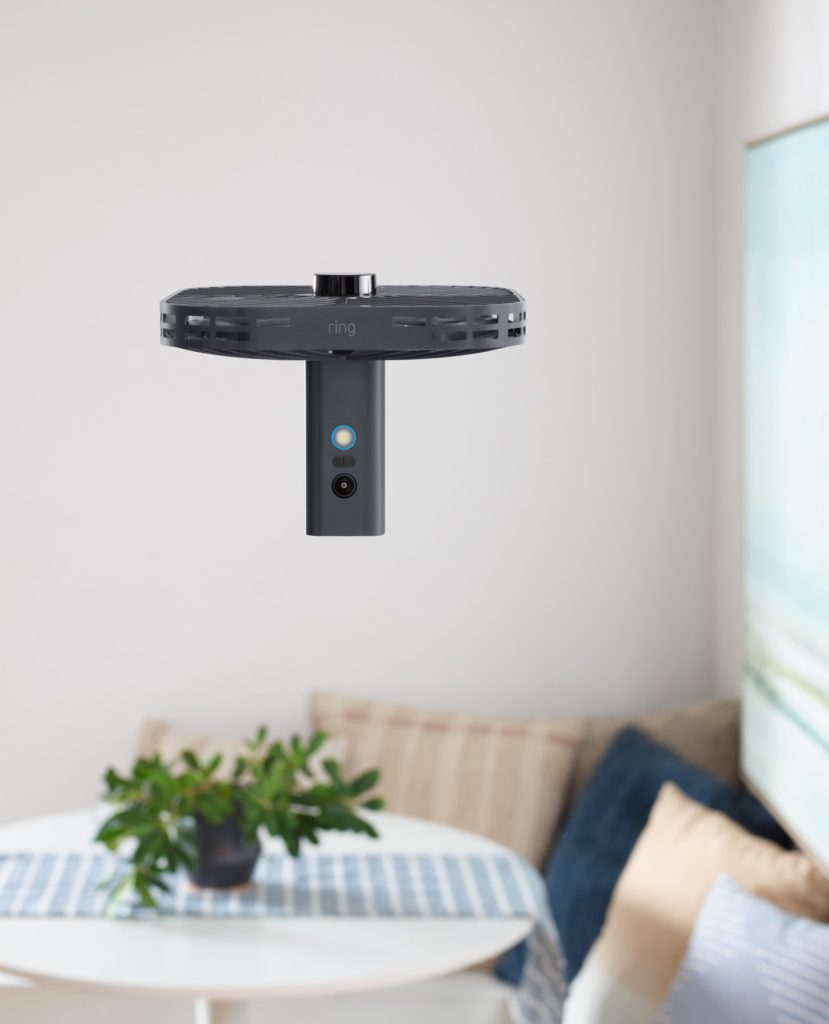
When a compatible Ring Alarm contact sensor or motion detector fires in Away Mode, the Always Home Cam can launch automatically toward the relevant area. You can also trigger a manual check-in from the app anytime you want a live look around.
Key specs at a glance:
- Resolution: 1440 × 1440 HD in-flight live view
- Field of view: Up to 120 degrees horizontally and vertically
- Flight time: Up to five minutes per charge
- Compatibility: Ring Alarm and Ring Alarm Pro (sold separately)
- Availability: Invitation only through Amazon; launch pricing was reported at approximately $249.99, though current pricing should be confirmed at the time of purchase
The Five-Minute Ceiling
Five minutes of flight is closer to a quick inspection than any kind of sustained patrol.
It is a brief look around, closer to a Roomba completing one cleaning pass than a security guard making rounds. CNET’s launch coverage reported an approximate one-hour recharge time, though Ring’s current product page does not confirm that figure, so treat it as unverified.
The comparison with fixed cameras is instructive. A standard indoor camera watches one spot without interruption. The Always Home Cam visits several preset spots briefly, then returns to its dock. Neither approach is strictly better; the trade-off depends on your home layout and what you actually need to verify. If you’re weighing your options, browsing fixed cameras at various price points may help clarify the right fit.
Privacy Design and Remaining Limitations
Ring built a physical privacy mechanism into the dock, but broader data-practice questions remain.
The camera is blocked while seated and records only during flight along user-created paths. The Mozilla Foundation’s privacy review acknowledged those protections but raised broader concerns about Ring’s data practices and privacy history; that review is worth reading before committing to any Ring product.
Beyond the five-minute limit, several practical constraints deserve attention. The device follows preset routes only, so any room you did not map in advance stays unchecked. Operation is restricted to a single indoor floor. The motors produce audible noise during flight, meaning it is not a covert surveillance tool (arguably a feature, not a bug). Full alarm-triggered functionality requires Ring Alarm hardware purchased separately, adding to the total cost. Invitation-only availability also makes access less straightforward than ordering a conventional indoor camera.
Independent testing on real-world navigation reliability, obstacle-avoidance accuracy, and long-term durability is limited, so performance across varied home layouts remains an open question.
Who This Is Actually For
The Always Home Cam solves a specific problem for existing Ring Alarm users, but it asks a lot from everyone else.
If you already run a Ring Alarm system and want multi-room visual confirmation without mounting a camera in every room, the Always Home Cam addresses a real and specific need. For everyone else, the ecosystem lock-in, short flight time, and restricted availability add up to meaningful friction. Request an invite with clear expectations, not sci-fi ones.