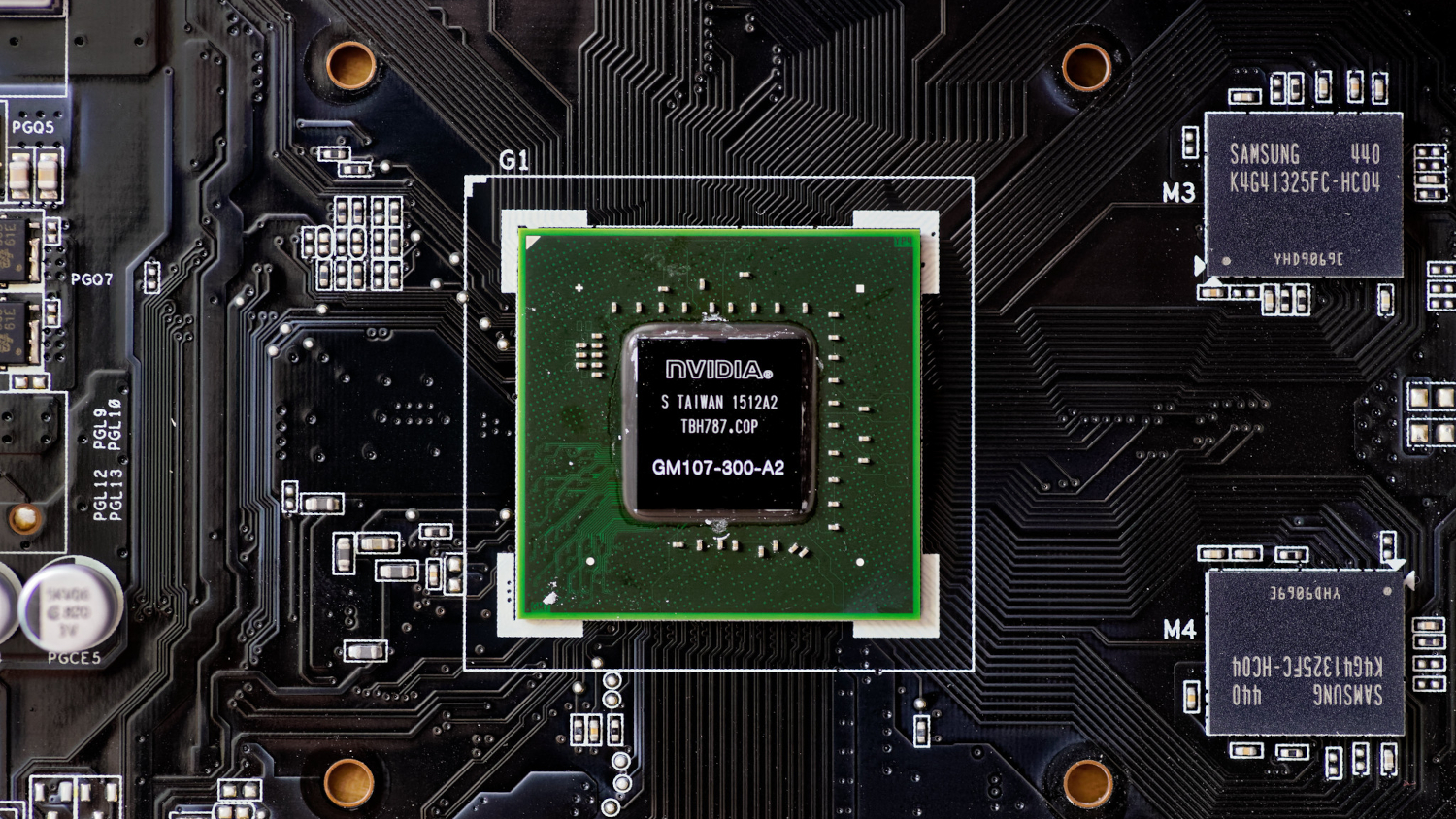
The US-China Economic and Security Review Commission released its annual report on November 18, 2026, assessing that China’s People’s Liberation Army is actively soliciting Nvidia’s most advanced processors to support AI-enabled military capabilities. According to the commission, China is seeking to evade US export controls to obtain the hardware it needs.
AI Isn’t Just a Buzzword Here; It’s a Kill-Chain Strategy
The PLA’s “intelligentized warfare” doctrine puts artificial intelligence at the center of targeting, logistics, and command decisions.
Intelligentized warfare, as the commission defines it, integrates AI into weapons systems, target recognition, command and control, logistics, and military decision-making. Chinese military exercises have featured crewed-uncrewed teaming, AI-assisted firepower allocation, and intelligent command decision-support systems, according to the commission’s report.
The Fight Has Moved From Ports to Data Centers
Chinese firms have reportedly accessed Nvidia-powered computing remotely through third-country data centers, without a single chip crossing into mainland China.
The commission’s report identifies a structural gap in existing controls: physical chip export rules do not stop a Chinese company from remotely accessing a server in Malaysia. That indirect route has created a potential circumvention path around restrictions imposed since October 2022.
New Licensing Rules Target Southeast Asia and Brazil
Washington announced new requirements on November 16, 2026, addressing the remote-access route that prior chip export rules left open.
On November 16, Washington announced licensing requirements for advanced chip shipments to data centers in Singapore, Thailand, Malaysia, Indonesia, and Brazil, countries it identified as carrying elevated diversion risk. The rules extend beyond physical shipments, targeting overseas facilities that provide significant remote computing capacity to companies headquartered in China.
Nvidia Says Controls Shut It Out of China; Reuters Found $3 Billion in Projects That Suggest Otherwise
The company’s public position and the documented reality of restricted-chip projects in China do not fully align.
Nvidia has said, as reported by Reuters, that US export controls have effectively closed it out of China’s AI data-center market. A Reuters review, however, identified more than $3 billion in Chinese computing projects linked to restricted chips. Both facts are on the record; the gap between them remains an unresolved question.
Huawei and Cambricon Are Closing Ground, But Key Gaps Remain
Advanced fabrication, memory, production equipment, and Nvidia’s CUDA software ecosystem continue to constrain China’s domestic chip ambitions.
According to the commission, Chinese processors from Huawei and Cambricon lag Nvidia and AMD products in key capabilities. Remaining gaps include leading-edge logic fabrication, memory technology, and semiconductor-manufacturing equipment. Nvidia’s CUDA software ecosystem presents a separate barrier: years of developer investment have made it difficult to replicate quickly.nvid
The commission’s findings point to a challenge that extends beyond AI chips alone. Coordinating across data-center operators, cloud providers, allied governments, and equipment manufacturers will likely be necessary to address the full range of access routes the report identifies.