According to Bloomberg, roughly 80% of U.S. military working dogs come from European breeders, a figure Warhound attributes to longstanding foreign-supply dependence. Warhound, a new Texas-based defense-biotech startup, launched from stealth this week with $200 million and a plan to change that.
The company intends to build a domestic pipeline of genetically screened, cloned, and potentially gene-edited working dogs for the military, law enforcement, and emergency responders. Its conception is credited to Colossal Biosciences cofounder Ben Lamm and Anduril founder Palmer Luckey.
America’s Military Dog Supply Has a Europe Problem
The U.S. has relied on overseas breeders for decades to supply the working dogs that serve in combat and detection roles.
The animals in question include Belgian Malinois, Labrador retrievers, and shepherds. That overseas dependency, Warhound argues, creates a procurement vulnerability for a critical military asset.
Warhound’s pitch is that biotechnology, not just selective breeding, can rebuild that pipeline domestically. The company frames the European reliance as a supply-chain problem solvable through genetics and domestic production.
What Warhound Is Actually Building
The near-term work is more grounded than the “cyborg dog” framing circulating online suggest.
Warhound has collected blood samples from elite working dogs and is pursuing cloning and genetic screening as part of its breeding strategy, according to Wired. Early gene-editing efforts focus initially on health conditions common in working breeds, particularly hip dysplasia.
Warhound expects its first puppies to be born in early 2027, Lamm told Wired.
Longer-term, Lamm has described the possibility of modifying dogs’ olfactory biology, potentially drawing on genes associated with wolves, to sharpen detection capabilities. That remains a future concept, not a demonstrated result.
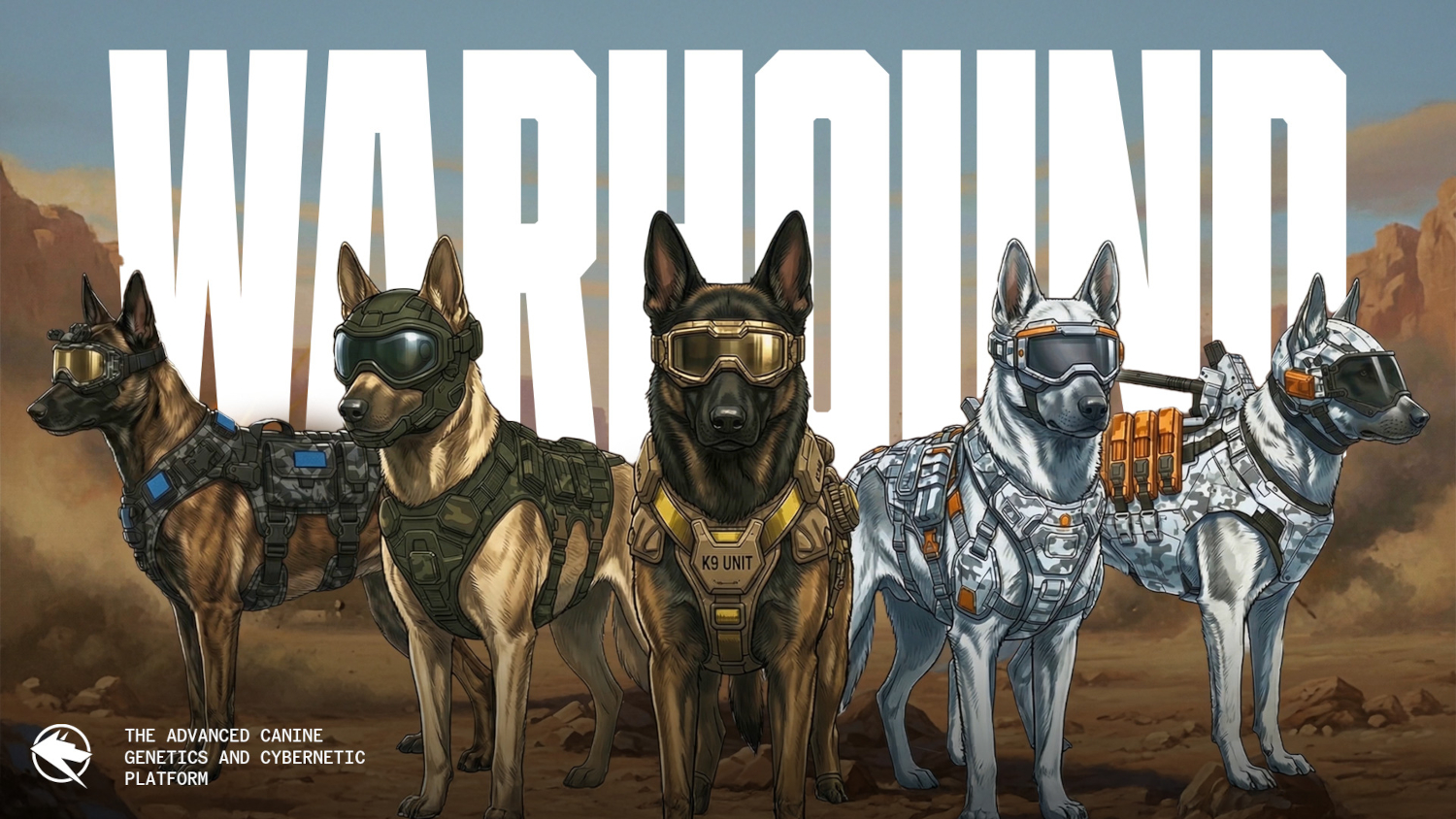
The “cyborg dog” framing overstates the current product. Anduril’s contribution covers advanced body armor, ear and eye protection, and situational-awareness technology for dogs and handlers; that detail comes from both Wired and the Dallas Morning News. No implanted weapons, computers, or offensive systems appear in the reporting reviewed.
The Team and the Money
Warhound is led by a veteran of both the Pentagon and the private-sector data industry.
CEO David Spirk is a former Department of Defense chief data officer and Palantir executive. Colossal Biosciences holds an equity stake in Warhound and licenses its genetics and cloning technology to the startup; Lamm serves on the board.
Luckey’s involvement is conceptual rather than financial. Luckey and Anduril do not hold equity in Warhound, per TechCrunch. The $200 million raise drew backing from In-Q-Tel, Sequoia Capital, ARK Invest, Franklin Templeton, Lux Capital, and several other firms.
Significant Questions Remain Unanswered
The available reporting leaves meaningful gaps in oversight, regulation, and long-term animal welfare.
Warhound says it will operate under American Humane Society guidance, which the Dallas Morning News reports is expected to include certifying training programs and supporting retired-dog reunification. The broader oversight framework, testing protocols, and independent review process have not been publicly detailed.
The available reporting does not document demonstrated gene-editing results in a working-dog context, nor does it describe a regulatory pathway for deploying gene-edited animals in military operations. Long-term health effects, genetic data ownership, and deployment standards for modified animals in hazardous environments are not addressed in the materials reviewed.
Warhound expects its first puppies in early 2027. Whether the genetics ultimately produce more capable dogs or primarily healthier ones is a question the available science has not yet answered.