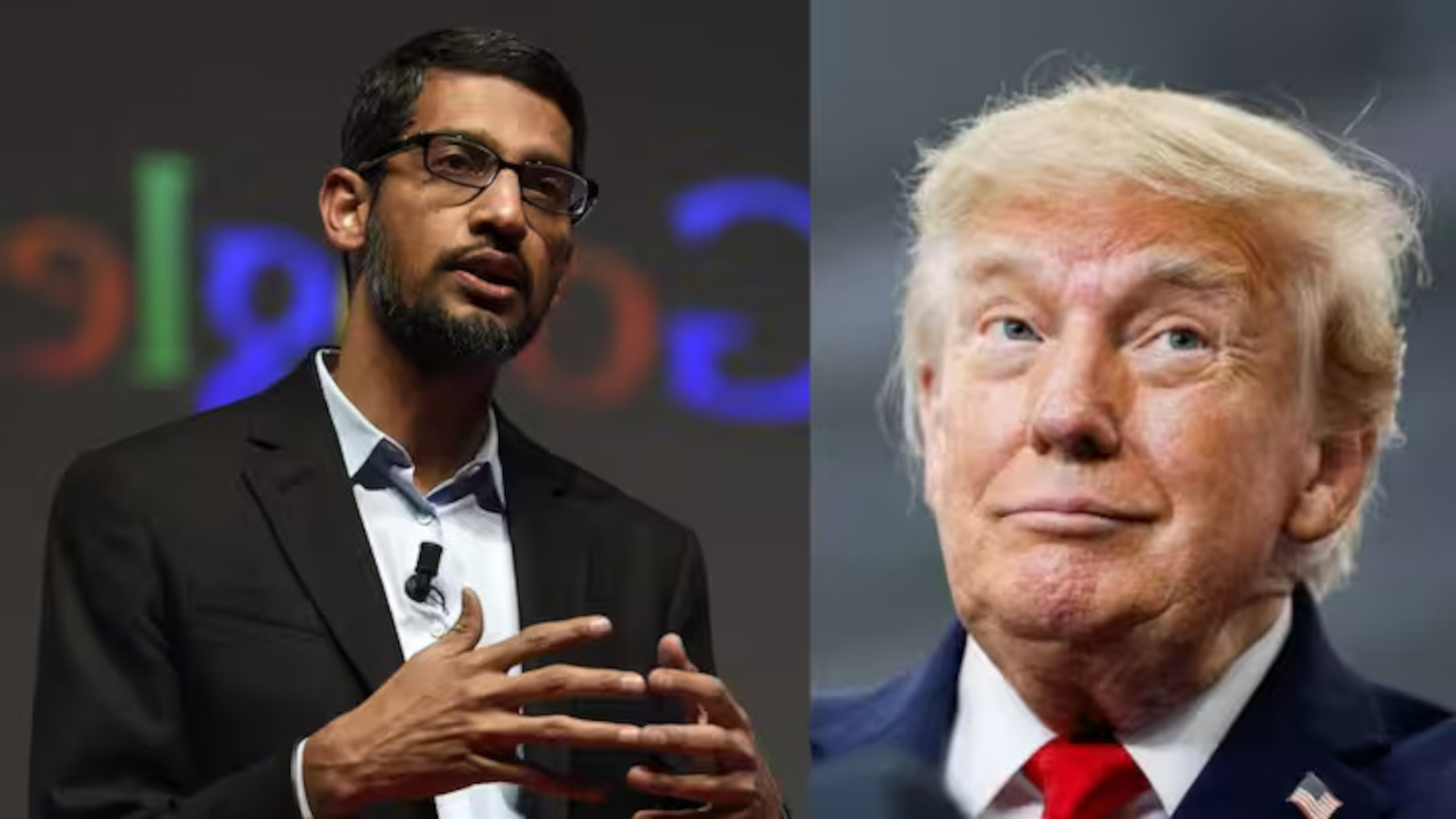
At a South Carolina rally on October 21, 2026, Trump said he personally called Google CEO Sundar Pichai to explore adding a new name for the Atlantic Ocean in Google Maps. Pichai, according to Trump, turned him down.
Google had not confirmed the call took place and had not responded to requests for comment at the time of reporting.
This episode fits a pattern that has grown familiar since Trump took office: his administration has pressed consumer mapping platforms to display politically preferred names for geographic features. How each platform has responded, however, varies. That variation matters, and the Atlantic proposal sharpens the question of whether private companies have any consistent standard for handling these requests. Notably, no formal Atlantic renaming order appears in any of the reviewed sources, which means Trump framed this from the start as a voluntary Google Maps decision, not a federal directive.
What Trump Said at the Rally
Trump described a direct conversation with Pichai, though only Trump’s version is on the record.
Trump told the crowd that Pichai replied, “No, no, no. This time I’m not doing it,” citing that oceans span too many countries to carry a single national name. Trump said he would “probably pass” on the Atlantic rename and suggested keeping its existing name. He also floated renaming the Pacific Ocean the “American Ocean,” asking how European countries would respond to that proposal.
Google Has Not Confirmed the Call Took Place
The absence of any Google response is not a footnote; it is the central fact of this story.
Google had not confirmed that any call between Trump and Pichai occurred. The company had not issued a statement or responded to media inquiries by the time these reports were published. Every detail attributed to Pichai here comes solely from Trump’s account at the rally.
How Mapping Platforms Have Responded to Earlier Changes
Google and Apple each adopted some Trump-preferred geographic names, but their responses have not been identical.
Google Maps displayed “Gulf of America” and showed “Lake America” to U.S. users following Trump administration pressure. Apple Maps adopted “Gulf of America” but, according to reporting from USA Today, retained “Lake Ontario” rather than switching to “Lake America.” MapQuest did not adopt those name changes. The result is a fragmented landscape where the label on a body of water depends on which app you open, not on any single agreed standard.
Trump framed the Atlantic proposal in this same context, treating the consumer navigation app as the instrument through which geographic names get established for everyday users. A broader pattern of tech-politics friction is visible in cases like the White House App caught secretly tracking users, underscoring how deeply intertwined consumer technology and political pressure have become.
No Formal Order, No Confirmed Consequences
Trump has signaled he is stepping back from the Atlantic idea, but the broader pressure on mapping platforms has not eased.
No formal renaming order for the Atlantic Ocean has been issued, and Trump indicated he was stepping back from the idea. None of the reporting reviewed established any financial or regulatory consequence from this specific episode. What the episode does suggest is that mapping platforms have become recurring targets in disputes over geographic labeling, and those disputes are not limited to domestic waters.
Whether Google, Apple, and their competitors will establish and publicly defend consistent policies for handling politically motivated name changes remains an open question. For now, the answer appears to depend on which body of water is being asked about, and who is doing the asking.