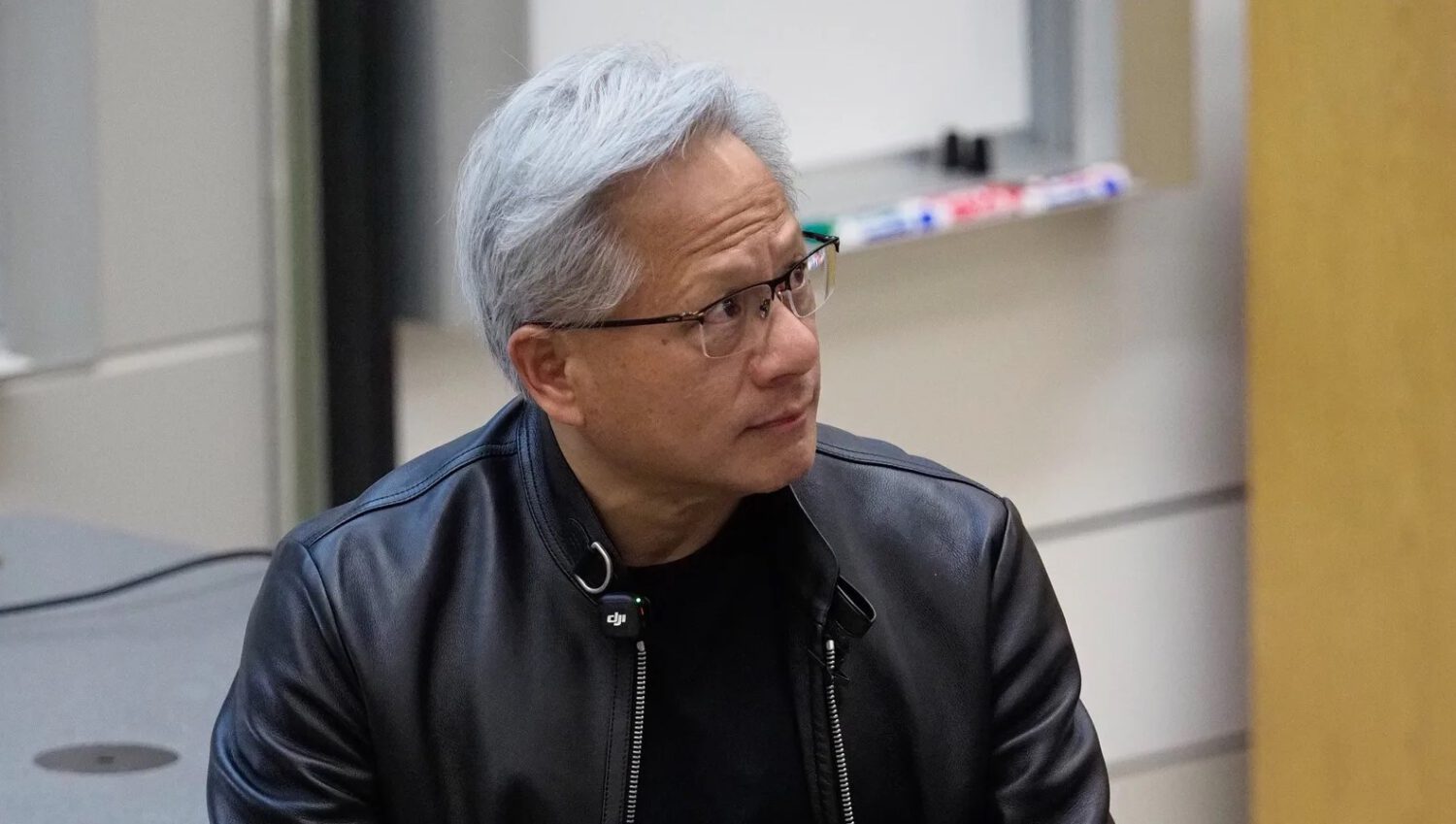
A board that just received a fresh shareholder mandate is now fielding a pointed public challenge to its judgment. Pershing Square CEO Bill Ackman posted on X that Nvidia’s board is “not acting in the best interest of shareholders,” accusing directors of failing their fiduciary duties by moving too quickly to force the resignation of founder-CEO Jensen Huang.
Ackman’s core allegation is about process. He argued the board conducted insufficient due diligence, did not convene an in-person meeting, and failed to adequately consider the consequences for Nvidia’s customers, employees, shareholders, and other stakeholders before acting.
The board reportedly acted in response to alleged company-policy violations and reports involving an affair. Those allegations represent the reported context for the board’s decision and have not been independently verified.
Ackman raised a secondary objection beyond the speed of the decision. He criticized the board for reportedly closing the door on Huang’s potential return before all relevant facts were known, describing that position as a potential additional breach of the duty of care.
His criticism of the investigation’s scope added a third concern. Ackman warned that an overly broad investigation could itself harm the company, and he suggested the board may have been motivated by fear of negative media coverage rather than by what was genuinely in Nvidia’s best interest.
Nvidia’s published governance documents provide the standard Ackman is applying. Those documents state that the board oversees management performance on behalf of shareholders and seeks to serve their long-term interests.
The board entered this controversy with recently renewed shareholder support. At Nvidia’s June 24, 2026 annual meeting, shareholders re-elected all 10 director nominees, giving directors a fresh mandate from investors only months before the dispute emerged.
That vote does not resolve Ackman’s criticism. It does establish that board credibility could shift quickly if the controversy deepens and investor confidence erodes.
Governance experts note that boards facing CEO succession disputes are generally expected to document a deliberate process, seek independent legal counsel, and weigh stakeholder consequences before finalizing a departure. The Council of Institutional Investors has long emphasized that succession planning and deliberation timelines are core elements of sound board governance.
As of publication, Ackman’s remarks remain public criticism. The available reporting and reviewed materials do not identify a Pershing Square Nvidia position or a formal activist campaign.
Investors now face a direct question. The board’s action could represent a necessary governance response to a legitimate compliance concern. It could equally represent a hasty decision that puts Nvidia’s strategy, execution, and customer relationships at risk. How that question is answered will depend largely on what the investigation produces and how Nvidia chooses to explain the leadership transition publicly.