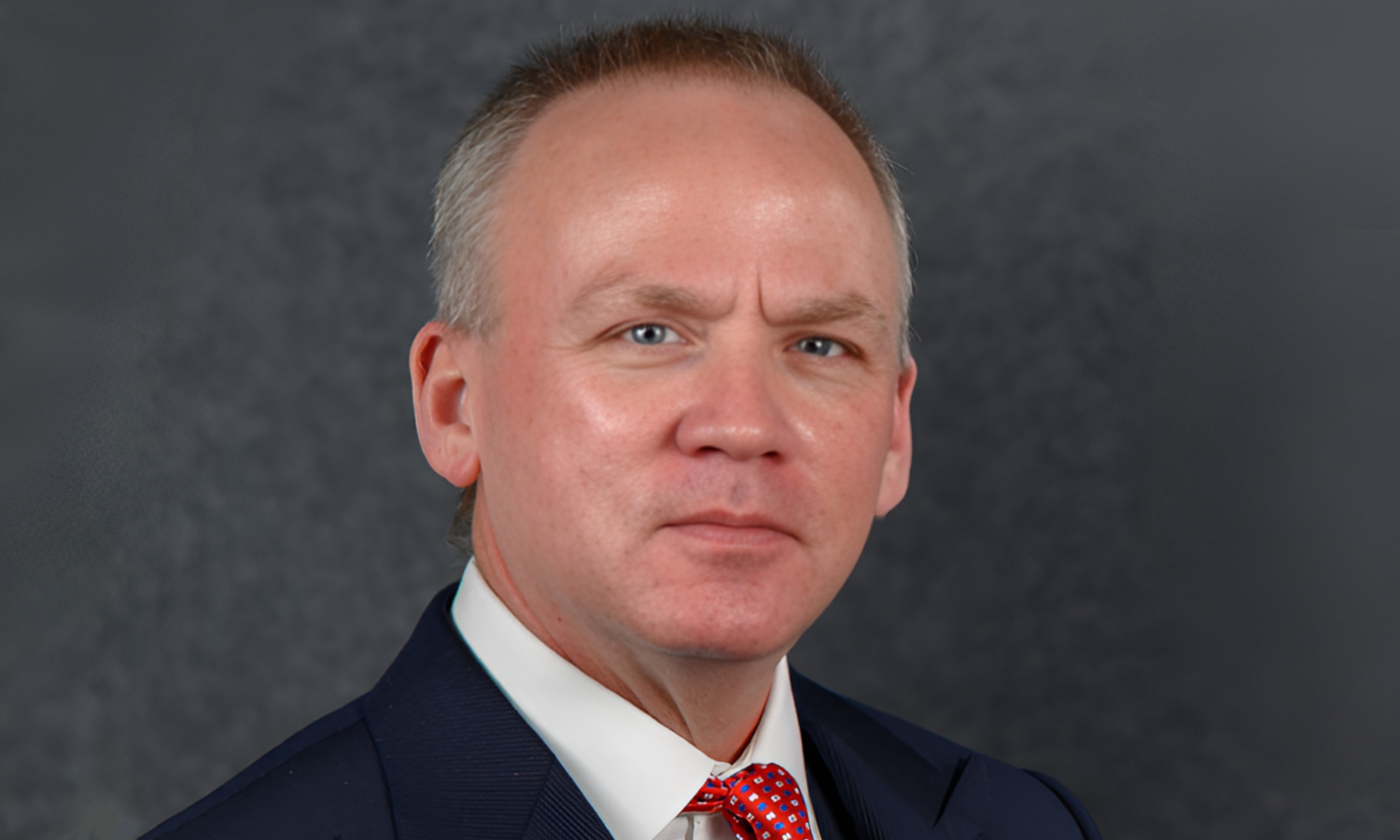
Two people familiar with his plans told POLITICO that Brad Carson is likely to consider a 2028 presidential run, with no final decision made. The push is being led by large AI-safety donor groups, according to POLITICO. Puck first reported that donors were urging him to enter the race.
Carson is a former Democratic congressman from Oklahoma, described by those close to him as a “blue dog” centrist. He co-founded Americans for Responsible Innovation, an AI-policy nonprofit, and Public First Action, a nonprofit and super PAC network supporting candidates who favor stronger AI oversight. His supporters believe that combination of elected experience and specialized regulatory knowledge gives him a distinctive opening, though only if the issue ever breaks through to voters.
One source described the effort as a “keyhole shot.” That phrase captures both the ambition and the odds.
The Movement Behind the Candidate
Effective altruism donors see AI as a civilization-scale problem and do not describe themselves as short on cash.
Many of the people pushing Carson to run identify with effective altruism, a philosophical movement that uses evidence and analysis to identify how to produce the greatest social benefit. Within parts of that community, advanced AI is treated as a potential civilization-scale risk, which helps explain both the urgency and the scale of spending. Some advocates describe themselves as “not capital constrained,” according to POLITICO, meaning funding is not the primary limit on their political activity.
Anthropic’s potential initial public offering could expand those resources further, according to POLITICO’s reporting. The underlying funding is substantial. Whether it can build national recognition for a candidate most primary voters have not heard of is a separate question.
$40 Million and a Credibility Problem
Public First Action took $40 million from Anthropic and $1 million from its CEO. Voters do not see a meaningful difference between Anthropic and other tech money.
Public First Action received $40 million from Anthropic and $1 million personally from Anthropic CEO Dario Amodei, according to POLITICO. POLITICO’s own polling found that Americans do not meaningfully distinguish Anthropic from other AI companies or technology-industry money. A campaign built around regulating the AI industry while accepting AI-company funding will need more than messaging to address that perception.
The same polling showed more Americans believed Amodei was a Republican than a Democrat, underscoring how little public definition the brand carries. That gap is relevant to Carson’s central argument. His claim of independence from industry influence depends on voters understanding who Anthropic is and accepting that its funding does not shape the campaign’s regulatory goals, and the polling suggests neither condition currently holds.
Cross-Partisan Spending Complicates the Picture
Carson’s network backed Republican candidates in 2026, a detail that does not disappear in a Democratic primary.
Carson’s political network spent millions supporting Republican candidates during the 2026 midterm cycle, according to POLITICO. His supporters argue that AI regulation should transcend partisan lines, and point to the cross-partisan spending as evidence. That framing may be harder to sustain inside a Democratic presidential primary.
Three Things Have to Go Right
Name recognition, issue salience, and donor credibility all need to align before this campaign becomes viable.
Carson has low national name recognition, meaning donors would need to spend heavily just to introduce him to primary voters. His path also requires AI-related concerns, including jobs, privacy, national security, and corporate concentration, to reach the same political weight as inflation, immigration, and health care. If that shift happens, his specialized profile becomes an asset. If it does not, the campaign remains a well-funded experiment in single-issue presidential politics.
The structural bet is clear enough: a candidate who has spent years building expertise in AI regulation could be well-positioned if the issue breaks through. Whether that break is coming remains an open question.