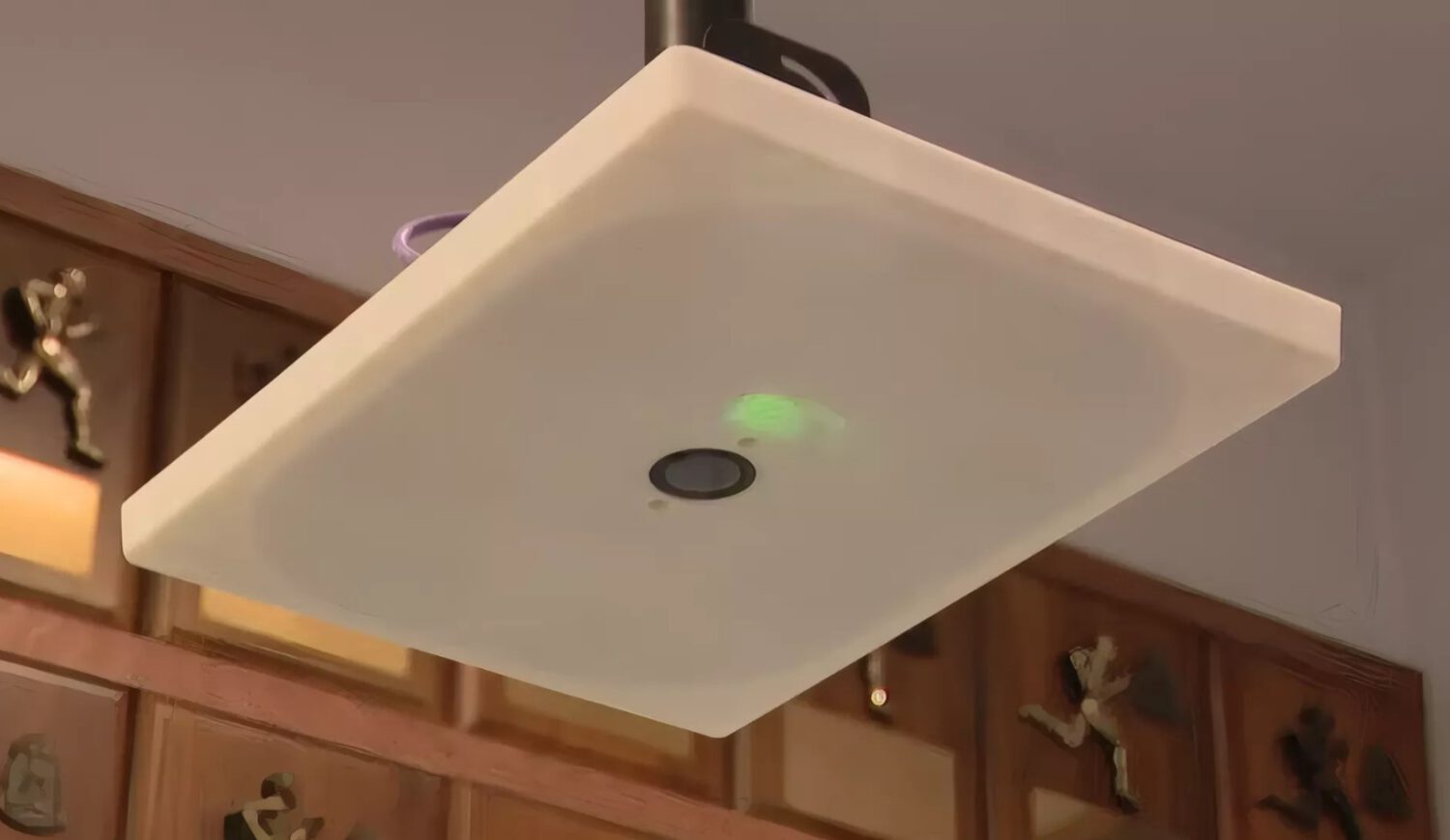
Hempfield Area High School in Pennsylvania has deactivated Wi-AI, a weapon-detection system built by CurvePoint, a Carnegie Mellon University spinout, after repeated false positives made the technology unreliable as a practical security tool.
Months of testing produced repeated false positives after students entered the building, yet the system still struggled to tell a firearm from a student’s everyday bag.
The Number That Tells the Story
The district needed 95% accuracy before Wi-AI could become its primary security layer, and the system did not come close.
Superintendent Dr. Mark Holtzman was direct about the gap: “It’s not near 95%, I could tell you that much.”
Reaching that threshold was the internal performance target under which the school would have replaced its existing walk-through detectors with the AI system. The gap between that target and actual performance was the reason the district shut the program down.
How Wi-AI Is Supposed to Work
CurvePoint’s SensePods, installed near building entrances, read disruptions in Wi-Fi signals and flag patterns associated with weapons.
The system uses no cameras. When it detects an anomaly, it alerts school staff via text, email, or a monitoring dashboard, with the expectation that a human reviews the alert before any security response.
“Testing Site” Is Doing a Lot of Work Here
CurvePoint characterizes the arrangement as evaluation rather than deployment, but students routinely passed through the system regardless of how the vendor labeled it.
CurvePoint CEO Skip Smith said “Hempfield has served as a testing and evaluation site for our school safety technology, rather than an operational deployment.” CurvePoint’s earlier announcement used the word “implementing,” so both descriptions are part of the record.
The distinction may affect how responsibility is characterized. It does not change the experience of the students inside the building while the system was running.
Maryland Already Showed Where This Goes Wrong
A false alarm at Kenwood High School in Maryland demonstrates that the consequences of AI weapon-detection errors can extend well beyond a notification on a dashboard.
This was not the only reported case of AI weapon-detection producing serious consequences. At Kenwood High School in Maryland, an AI camera system flagged a Cool Ranch Doritos bag as a possible firearm based on its appearance, lighting, and the way it was held.
Police were dispatched. According to a subsequent lawsuit filed in Baltimore County, students were ordered to their knees and handcuffed before the cancellation order was effectively acted on.
The human-review step that is supposed to catch errors does not always catch them in time.
The False-Positive Trap
A detector tuned to prioritize sensitivity may produce more false positives, and those errors carry real costs for students and staff.
Each false alert consumes staff resources and risks training personnel to discount future alerts. It also raises the probability that an innocent student ends up in a situation that escalates before anyone confirms the trigger was a battery pack.
These are not hypothetical risks. The Kenwood incident shows what that chain of events can look like in practice.
What Better Looks Like Before the Next Contract Is Signed
Schools evaluating AI security products should require independently verified accuracy figures, published false-positive and false-negative rates, and clear shutdown criteria before any system goes live.
That means refund terms, documented human-review procedures, and public reporting requirements written into every pilot agreement from day one. Hempfield is reportedly receiving a refund and returning to its OpenGate walk-through detectors, which is a reasonable outcome for this district.
It is not a replicable standard until those protections are contractual before any security tool goes up in any school. CurvePoint says it is continuing development but has not announced a deployment date. That pause is the right approach. Get the accuracy right before the needed 95% accuracy before the next school signs on.