Book a Cybercab in Austin today and the transaction takes seconds. What happens next is less seamless: that two-seat, steering-wheel-free vehicle eventually needs a place to charge, get cleaned, run a software reset, and queue for its next dispatch. That place does not look like a parking garage. It looks like a small factory.
Tesla’s robotaxi launch is quietly seeding a new asset class in commercial real estate, one that traditional property owners, developers, and investors were largely not watching.
What Cybercab Actually Requires Off-Duty
No driver means no shortcuts: every service need lands at a centralized depot.
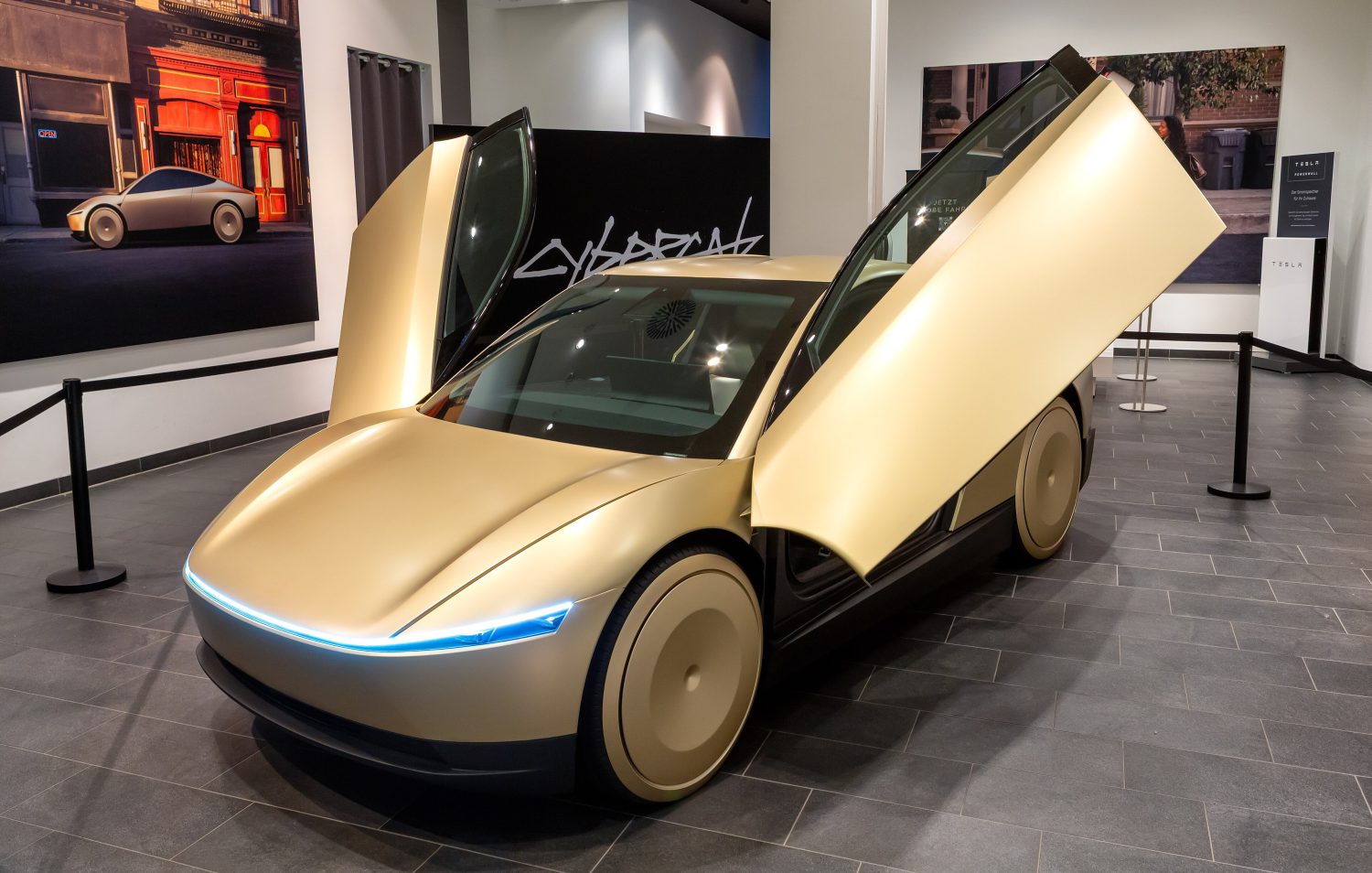
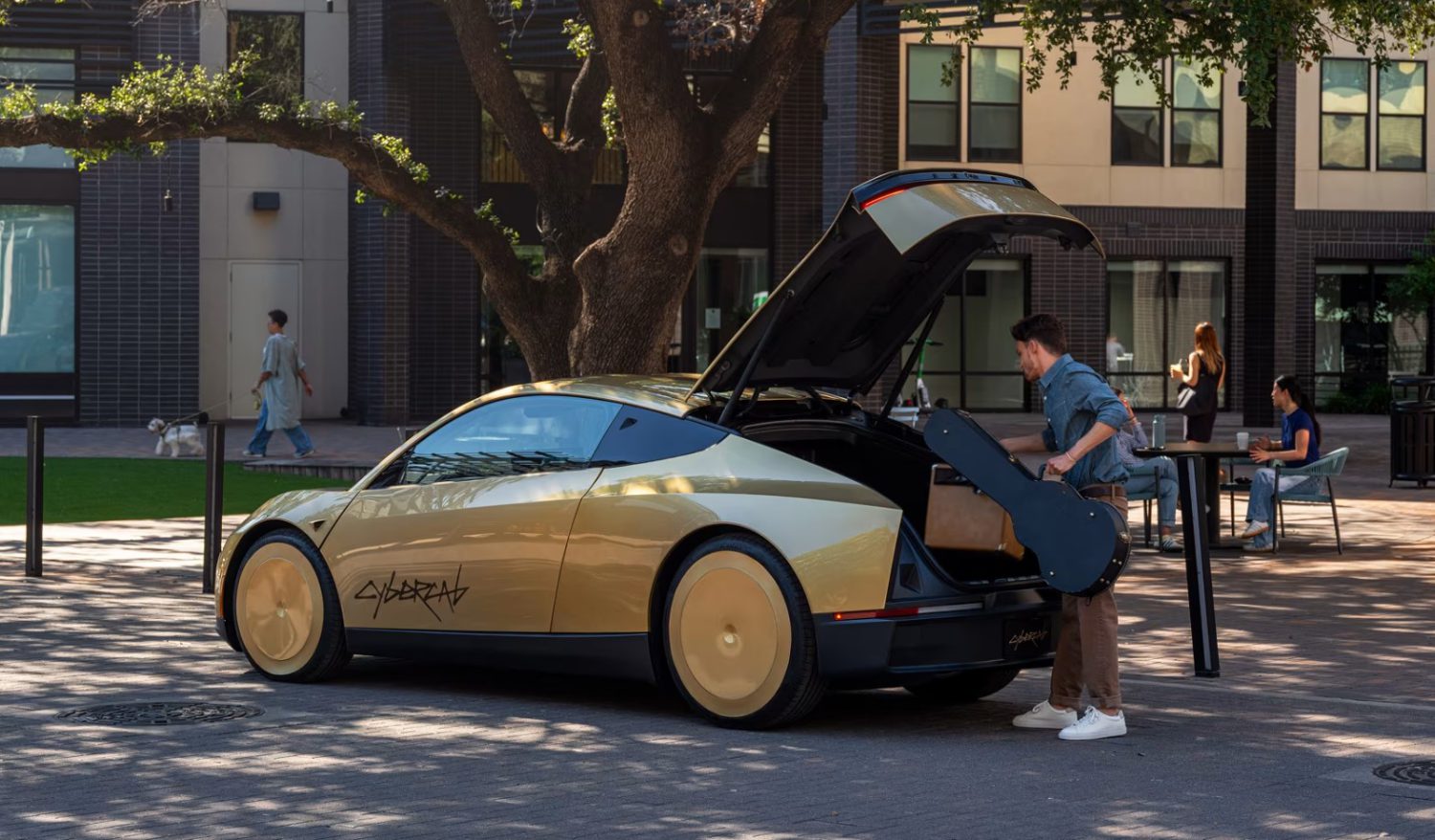
Tesla’s Cybercab is a purpose-built, fully autonomous robotaxi with no steering wheel or pedals, currently operating in parts of Austin via Tesla’s Robotaxi app, according to Tesla. Texas motor-vehicle records show roughly 45 Cybercabs registered to Tesla’s robotaxi operation, within a broader autonomous fleet of approximately 420 vehicles, per figures cited by Axios and Reuters.
Tesla has built manufacturing capacity for up to 125,000 Cybercabs per year, a figure traceable to Tesla’s own investor materials and echoed by Axios. Because no driver exists to take a vehicle home or to a nearby shop, every operational need must happen at a centralized location: charging, cleaning, inspections, software resets, and maintenance coordination.
That single constraint is what is forcing a new real estate category into existence.
Meet the Fleetport
A new kind of B2B landlord is already staking out airport-adjacent land.
Fleetport, a startup covered by Axios, is planning hubs capable of storing 100 to 250 robotaxis overnight, with fast charging, cleaning, and basic maintenance at each site. Its early targets are six airport-adjacent markets: Austin, Oakland, San Francisco, Los Angeles, Phoenix, and Miami, with openings aimed at 2027.
The customer Fleetport is chasing is the entrepreneur who buys 7 to 20 Cybercabs through Tesla’s partner program but has nowhere operational to put them. Fleetport sells capacity and services, not rides. It is the landlord in a business model that has only emerged in the past few years.
Fleetport currently has no formal partnership with Tesla, has not raised institutional capital, and remains pre-construction, per Axios. As Axios put it directly: “Fleetport is a bet on a future that hasn’t arrived yet.”
The Broader Pattern
Uber, Lyft, and Waymo are already signing leases, not just drawing concept art.
Uber has signed a lease for a 50,000-square-foot depot in Houston, planning 40 EV chargers and 15 maintenance bays ahead of a 2027 robotaxi launch, according to Axios. Lyft’s Flexdrive subsidiary is building an 80,000-square-foot hub in Nashville to service Waymo’s autonomous fleet, also per Axios.
In any mid-tier market, a robotaxi operator may need four to six facilities for charging and service alone, per Axios reporting. That math translates quickly into serious land acquisition, grid upgrades, and gas vs diesel comparisons that fleet operators weigh when evaluating EV infrastructure economics alongside zoning decisions.
Tesla’s Role in Seeding the Market
Tesla is offloading operational complexity onto entrepreneurs, and infrastructure operators are moving in to fill the gap.
Tesla posted a call for partners to buy Cybercab fleets and build “mobility hubs and infrastructure,” directing entrepreneurs to a signup form, according to Axios. The structure shifts capital risk and day-to-day operations onto independent fleet owners while Tesla supplies the vehicles and platform access.
Third-party operators like Robotaxi Depot are already approaching property owners directly. They offer EV charger installations and bundled services covering charging, cleaning, and AV diagnostics, converting underused parking assets into depot-ready locations.
The airport-adjacent parking garage that felt like a liability for the past decade may turn out to be exactly what a Cybercab fleet operator needs by 2027. Whether the fleets arrive on schedule is still an open question. The infrastructure race, for now, is already underway.