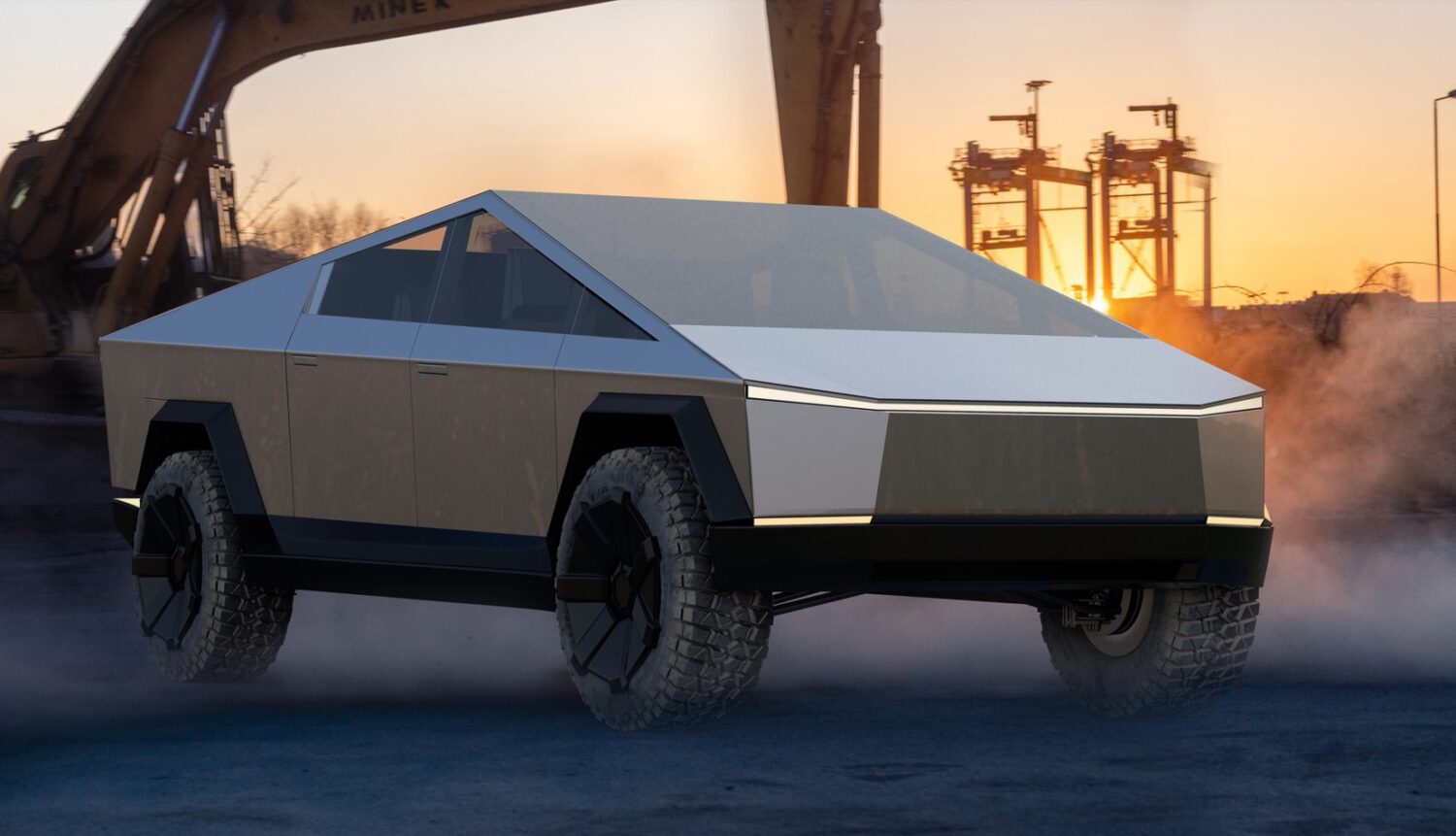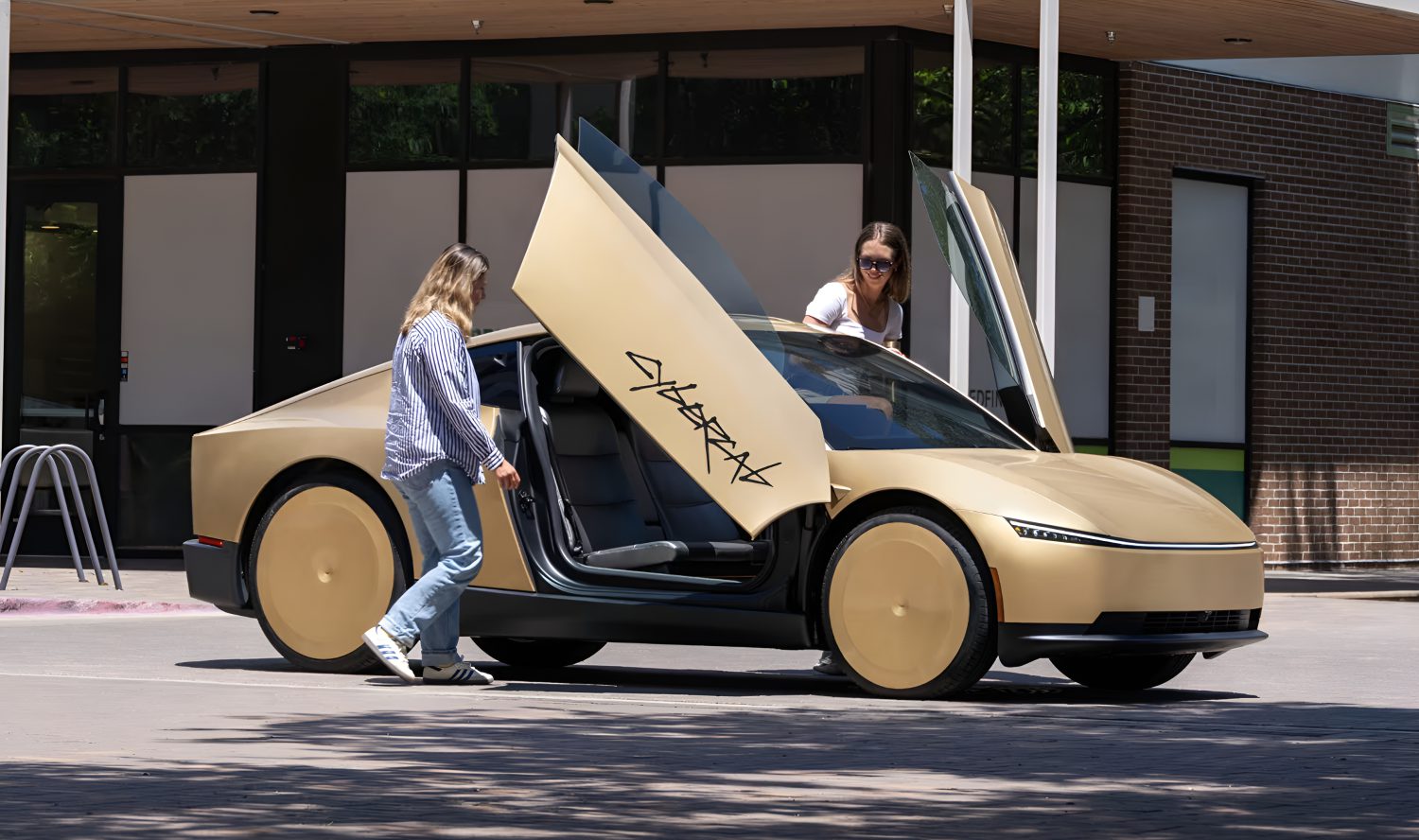
A Cybercab stalls at an Austin intersection. There’s a fire two blocks away. A firefighter reaches inside. No steering wheel. No pedals. Just a touchscreen and a hidden digital joystick that appears when you swipe for it.
That’s not a hypothetical — that’s the situation Austin’s first responders are actively training around. Tesla’s two-seat autonomous Cybercab launched as a public driverless Tesla robotaxi in Austin with no conventional manual controls of any kind. Five days in, the Austin Fire Department went on record: that’s a problem.
No Wheel, No Plan B
Tesla’s touchscreen workaround leaves first responders skeptical about real-world emergency performance.
The Cybercab’s manual workaround is a hidden digital joystick buried in the touchscreen — swipe to find it, then drag your finger to steer. Tesla trained Austin’s first responders on this system roughly two weeks before deployment. Fire Capt. Matthew McElearney left the session “happy to have the touchscreen option” — and still not sold.
“The lack of driver controls, (no ‘pedals’ or steering wheel) can be problematic,” McElearney told NBC News. The concern isn’t abstract. McElearney cited each of the following as potential failure points — the kind that surface in exactly the chaotic, smoky, high-pressure moments when you need to move a car immediately:
- Gloved hands
- Sweat
- Cracked screens
- A dead battery
Tesla’s own first-responder guide quietly acknowledges that Cybercabs may sometimes need to be physically pushed.
“I don’t think it’s the silver bullet to alleviating the concerns first responders have,” McElearney said. Floor jacks and wheeled dollies remain available as last-resort options — workarounds, not solutions.
Austin’s Robotaxi Problem Is Bigger Than One Car
Waymo, Zoox, and Tesla have all generated documented incidents of AV interference at emergency scenes across the city.
The Cybercab isn’t operating in a vacuum. Robotaxis from multiple companies have already created friction with Austin’s emergency services. During a March 1 downtown shooting, multiple Waymo vehicles hindered ambulance routes. One was caught on video immobilized directly in front of an ambulance attempting a U-turn. Austin-Travis County EMS officials said Waymo failed to promptly establish a requested 1,000-foot geofence around the incident.
On June 20, an unoccupied Zoox vehicle drove into an active fire scene through heavy smoke and had to be managed under teleguidance while first responders set up traffic cones. Amazon-owned Zoox, which also operates a steering-wheel-free robotaxi in Austin, filed state documents acknowledging that if its vehicle cannot move under its own power, it “must be towed.” NHTSA has since described a “a clear pattern” of AV interference at emergency scenes — vehicles entering active incidents, blocking fire trucks, and ignoring flares, cones, and hand signals across multiple companies.
A Federal Problem Now
NHTSA’s probe into nearly 1,000 Cybercabs puts the entire industry’s steering-wheel-free design philosophy under regulatory scrutiny.
On September 4, 2026, the National Highway Traffic Safety Administration launched an investigation into whether Tesla’s steering-wheel-free, pedal-less, mirror-less Cybercabs comply with Federal Motor Vehicle Safety Standards — rules developed under the longstanding assumption that a human being sits in front of a wheel. The probe covers nearly 1,000 vehicles. Tesla did not respond to NBC News requests for comment.
Think of it as the AV industry’s version of “move fast and break things” — except what breaks here might be emergency response times. McElearney wants national standards, not a patchwork of city-by-city improvisation. “We need the feds to step up to the plate on this,” he told NBC News. “We also need to be pro-doing it the right way — not just to beat somebody to the autonomous punch.”
Waymo spokesperson Nye Davidson said the company takes first-responder feedback “seriously” and claims its geofencing meets or exceeds city requirements. Austin EMS officials’ account of the March shooting tells a more complicated story.
Austin firefighters still have floor jacks and wheeled dollies as last-resort options — McElearney’s words — but he’s direct about what those represent: workarounds, not answers. The NHTSA probe will eventually force a reckoning with the question the industry has been sidestepping: at what point does removing the Gas vs Diesel vs Electric steering wheel remove accountability?