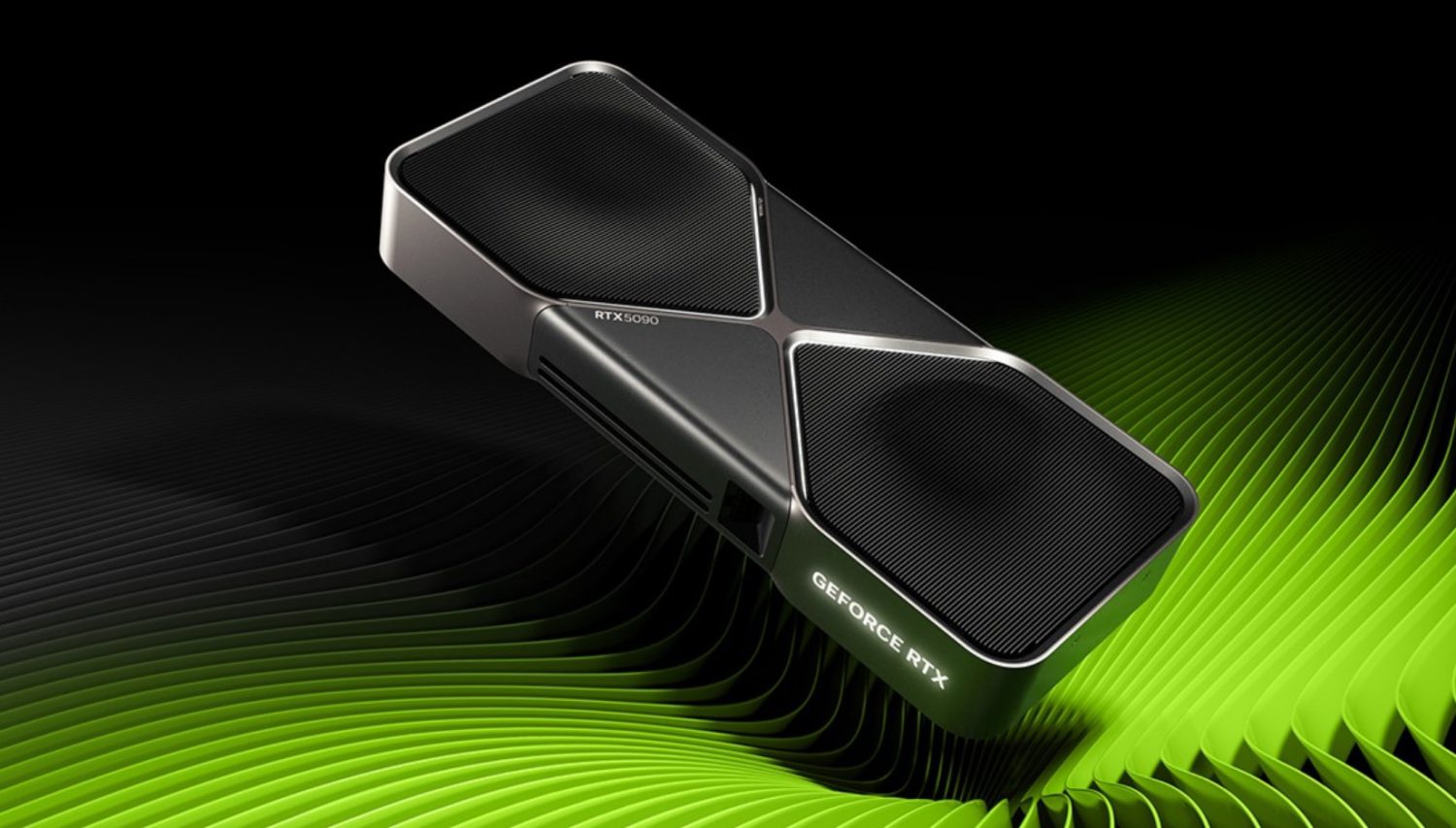
At Micro Center’s Tustin, California location, one customer arrived ready to purchase a PowerSpec AI90 prebuilt containing an RTX 5090 and left with a form to fill out instead. A manager reportedly required the customer to complete an “Advanced Computing Product Purchaser Declaration” and have their driver’s license scanned before the sale could proceed.
Multiple technology publications reported and corroborated the customer’s account, though Micro Center has not publicly confirmed a chain-wide policy. That gap between regulation and retail reality is the real issue worth examining.
What the Form Actually Demands
The reported declaration asks for far more than a name and a signature.
According to Tom’s Hardware and Videocardz, the form reportedly requires legal name, address, and government-issued identification details, along with a phone number and email address, the identity of the actual end user if different from the buyer, and the installation location and intended use.
The document certifies that the product will not be exported, reexported, transferred, resold, or otherwise caused to leave the United States. The reported header reads “NO EXPORT – NO EXCEPTIONS.” Micro Center reportedly reserves the right to refuse or cancel the transaction if the provided information raises concerns.
Why This Is Happening, and What Should Change
The regulatory rationale is legitimate; the retail execution is where things break down.
Advanced-computing export restrictions affecting certain high-performance hardware appear to be driving these measures, and Nvidia reportedly developed separate China-market variants, the RTX 5090D and RTX 5090D V2, in that context. Some manufacturer storefronts already display export-compliance acknowledgements at checkout, asking buyers to certify end-user status, civilian use, and that the product remains in the United States.
The problem is not that compliance exists. Showing up at a register and being handed government-adjacent paperwork without prior notice resembles TSA PreCheck theater: a ritual that performs seriousness without making the process legible or fair to the person in line. That experience is especially jarring when the buyer just wants to build a PC.
The scope of this implementation also remains unclear. The available reporting covers one Micro Center location, and no formal statement from the retailer confirms whether the process applies chain-wide. No formal Micro Center statement was identified in the available reporting.
If more retailers adopt this approach as restrictions tighten, you deserve a clear heads-up at the product listing, not a surprise at the checkout counter.