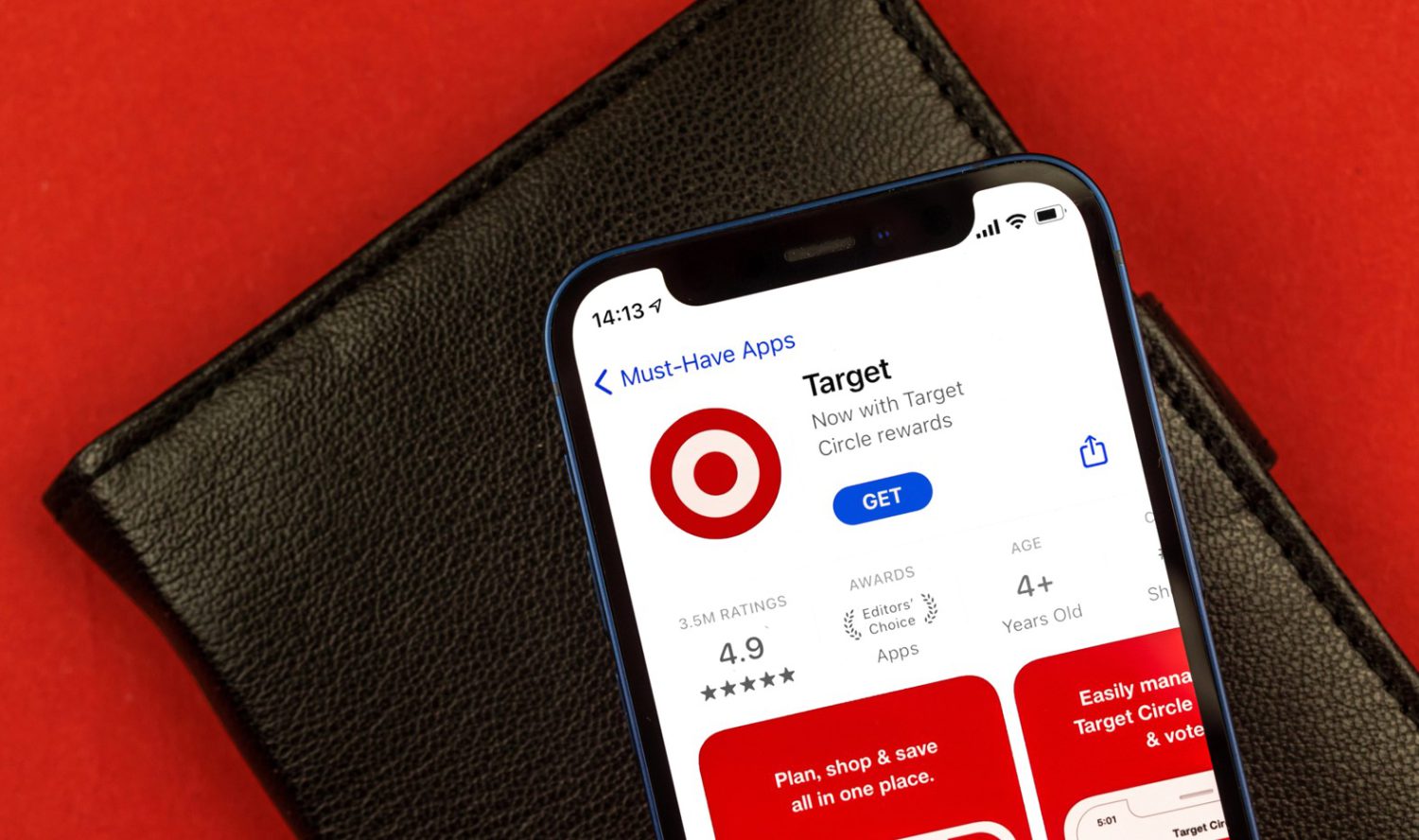
Pull up the Target app in the parking lot, and the price on your screen might not match what you saw at home on your laptop. According to a Consumer Watchdog report, one shopper watched a television jump from $499.99 to $599.99 after entering a store’s parking lot. That allegation, and others like it, reportedly contributed to a $5 million civil penalty in a San Diego County matter, though the underlying settlement order has not been independently verified.
What Target Says, and What the Evidence Actually Shows
The gap between a retailer’s explanation and a shopper’s experience is where the real accountability question lives.
A Target spokesperson, according to New York Post reporting, attributed price differences across channels to local operating costs, competition, and store-specific or digital promotions, not individual guest data. That distinction matters. Prices legitimately differ between a store in one city and one in another, reflecting real cost differences in competition, inventory, and local market conditions.
What the reviewed evidence does not establish is that Target currently assigns a unique price to a specific shopper based on their identity, income, or browsing history. Target explicitly denies that practice, according to New York Post reporting.
The harder question sits in the middle. Geofencing technology detects when your device enters a defined area. That alone does not mean you are being individually priced. It does, however, create conditions where that kind of pricing becomes technically possible and practically invisible to the person paying. Learn more about how a surveillance app can exploit similar location-detection mechanics.
Channel pricing adds another layer. A price difference between the app and the website is not automatically proof of personalized pricing, but it does mean the number you see depends on how you arrived at the product page. That is worth knowing before you tap “add to cart.”
New York Drew a Line. The Rest of the Country Is Watching.
New York’s disclosure law marks a meaningful shift in how regulators expect retailers to treat shoppers when algorithms set the price.
New York’s algorithmic-pricing disclosure law (GBS 349-A) requires any business using personalized algorithmic pricing on a New York consumer to display a notice: “THIS PRICE WAS SET BY AN ALGORITHM USING YOUR PERSONAL DATA.” Attorney General Letitia James publicized the requirement in a November 2025 consumer alert. The law does not ban dynamic pricing, which responds to inventory, competition, or regional market conditions. It specifically targets pricing shaped by data tied to a particular consumer or device.
That distinction is deliberately narrow. A price that shifts because a store is overstocked is not the same as a price that shifts because an algorithm has logged how many times you’ve visited a product page. The statute addresses the second scenario, not the first.
Consumer advocates argue the boundary between those two scenarios is exactly where more states need to legislate. Whether a federal standard is realistic is a policy debate, not a settled conclusion, but the legal exposure visible in both the San Diego matter and New York’s law gives that argument a documented foundation.
The Right to Understand Your Own Price
Transparency in pricing is not a technical problem; it is a choice retailers make about what they owe their customers.
The core ask is not complicated. Before you complete a purchase, you should be able to know whether the price on your screen was produced by the same inputs as the price on someone else’s screen. Not a clause buried in a privacy policy. A clear, upfront signal. If you suspect you are already paying too much without realizing it, the broader pattern of hidden consumer costs is worth understanding.
New York’s disclosure requirement is a concrete first step. The more important question is whether shoppers in every state will eventually have the same right to understand what produced the number they are about to pay.