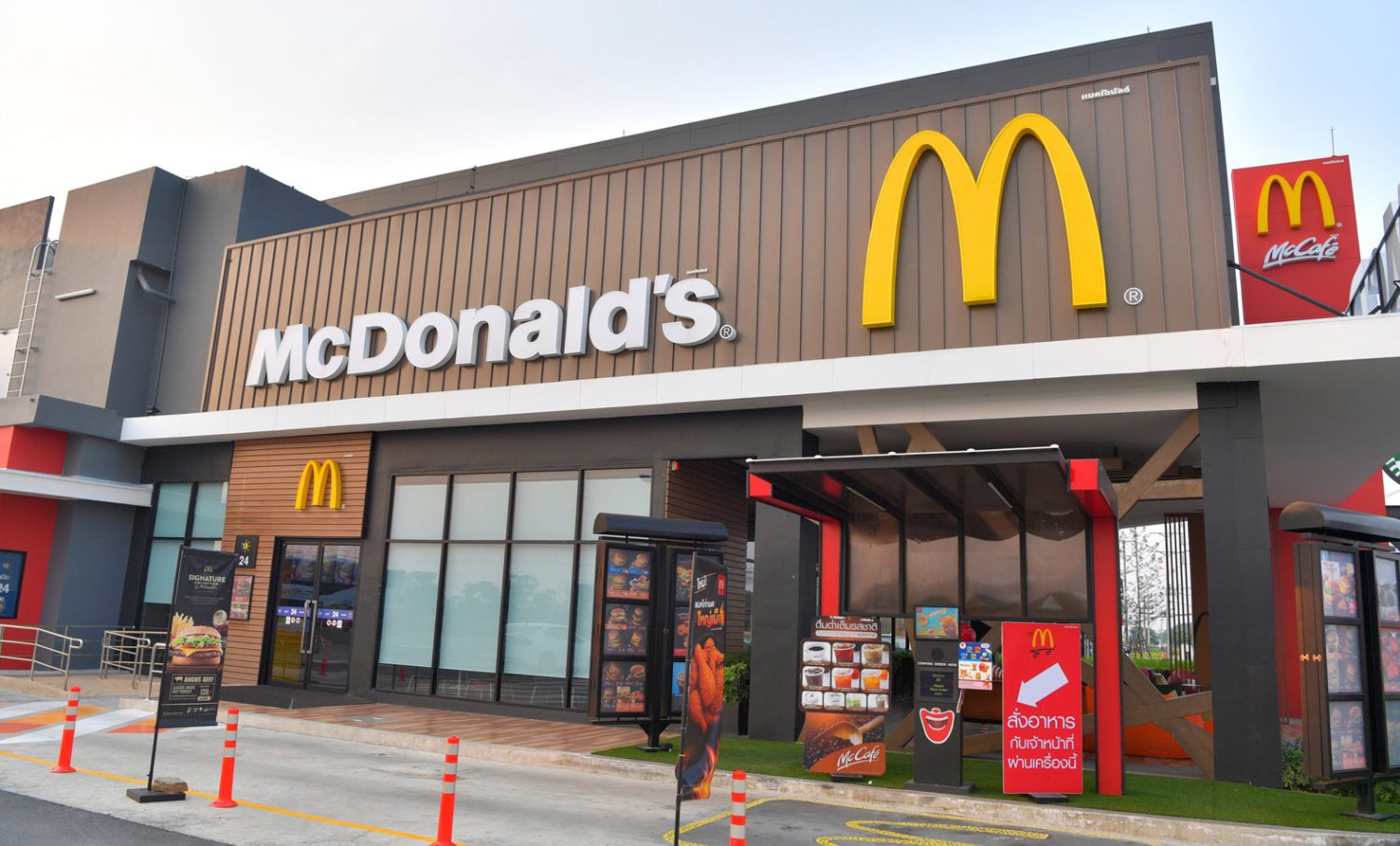
Two McDonald’s restaurants sit two miles apart in Fresno, California. Both are company-operated. Both sell the same Big Mac. One charges $5.69. The other charges $6.89. That $1.20 gap, a 21% premium for the same sandwich, is the clearest illustration of what a Reuters investigation published September 29, 2026 reveals: McDonald’s has been running a machine-learning pricing system across its U.S. restaurants since at least 2019, recommending location-specific menu prices based on estimated customer paying too much sensitivity.
Reuters could not confirm the AI system alone caused the Fresno price difference, since local operating costs, ownership arrangements, and promotions may also be factors. The gap nonetheless illustrates the kind of variation the system is designed to surface.
The Algorithm Behind the Menu Board
The platform analyzes millions of daily transactions and generates restaurant-specific price recommendations that franchisees are free to accept, modify, or reject.
The system covers nearly 14,000 U.S. restaurants and produces a recommended price for individual menu items at each location. Reuters reviewed screenshots showing sensitivity ratings delivered to operators, including messages such as “your restaurant is showing MEDIUM SENSITIVITY to price.” These AI-powered websites and platforms are increasingly shaping decisions across industries.
A McDonald’s spokesperson told Reuters the system is “a tool, not a mandate, designed to provide restaurant-specific recommendations to help franchisees deliver value for customers and make informed business decisions.” The company says franchisees retain final authority over the prices they set.
Optional in Name, Required in Practice
Five store owners told Reuters they felt pressured to use the tools, and internal documents suggest corporate tracks how closely franchisees follow the recommendations.
Internal documents Reuters reviewed reportedly required franchisees to be “constructively engaging with McDonald’s approved Pricing Consultant and Tools” under new business standards. Corporate reportedly tracks adherence and records deviations from algorithmic guidance.
CEO Chris Kempczinski told investors that franchise-renewal discussions include pricing compliance. His words: “pricing non-compliance in certain cases is part of those conversations.” McDonald’s controls renewal decisions and the right to approve additional locations. For an operator whose livelihood depends on staying in good standing, optional carries a different weight.
One reported example illustrates the stakes. According to Reuters, the system once recommended that a Connecticut franchisee charge approximately $18 for a Big Mac meal. That recommendation drew criticism, and the franchisee later filed litigation alleging McDonald’s attempted to remove him from the franchise system for discriminatory reasons. The case remains ongoing and unresolved, and the allegations have not been adjudicated.
Kempczinski separately told investors that low-income consumer traffic had declined nearly double digits over the preceding two years, a figure that sits in tension with a pricing system calibrated to what individual markets will bear.
A Legal Question Nobody Has Answered Yet
The portal’s own terms flag the competitive relationship among franchisees and remind users to comply with antitrust law, language that one legal expert says signals the company recognized a potential issue.
The terms warn that franchisees “may be competitors of each other” and state that users are always free to determine their final prices. Former FCC commissioner William Kovacic told Reuters that acknowledging competition concerns in the platform’s terms signals the company recognized a potential legal issue.
The central question is whether a shared algorithm used across competing businesses reduces genuinely independent price-setting. A secondary concern is whether it makes parallel price increases easier to coordinate. No enforcement action or legal finding against McDonald’s has been established. Broader patterns of AI systems acting beyond original intent have drawn scrutiny elsewhere, as when Chatbots Stopped Answering conventional queries and began exhibiting unexpected behaviors.
The Pattern Is Already Familiar
Wendy’s, Instacart, and Walmart each faced public criticism over algorithmic or dynamic pricing, while McDonald’s version has been operating since at least 2019 with little public awareness.
Wendy’s faced consumer backlash in 2024 after its CEO discussed dynamic pricing; the company later said the comments had been misunderstood and denied plans to raise prices during peak demand. Instacart faced criticism over a test that displayed different grocery prices based on algorithmically selected variables and later said it would not use personal information to determine item prices. Walmart’s CEO separately stated the company would not set prices based on shopper identity or time of day.
McDonald’s version has been operating since at least 2019, largely out of public view.