Consumer Reports‘ review unit stopped working less than 24 hours after unboxing. That single data point captures where Dyson’s CameraJet stands just weeks after its launch and raises serious questions about paying too much for a device that may not work as promised.
A Camera-Guided Toothbrush That Disappeared From Shelves
Dyson’s most complex oral-care product arrived in U.S. stores to early failure reports and a rapid, unexplained withdrawal from multiple markets.
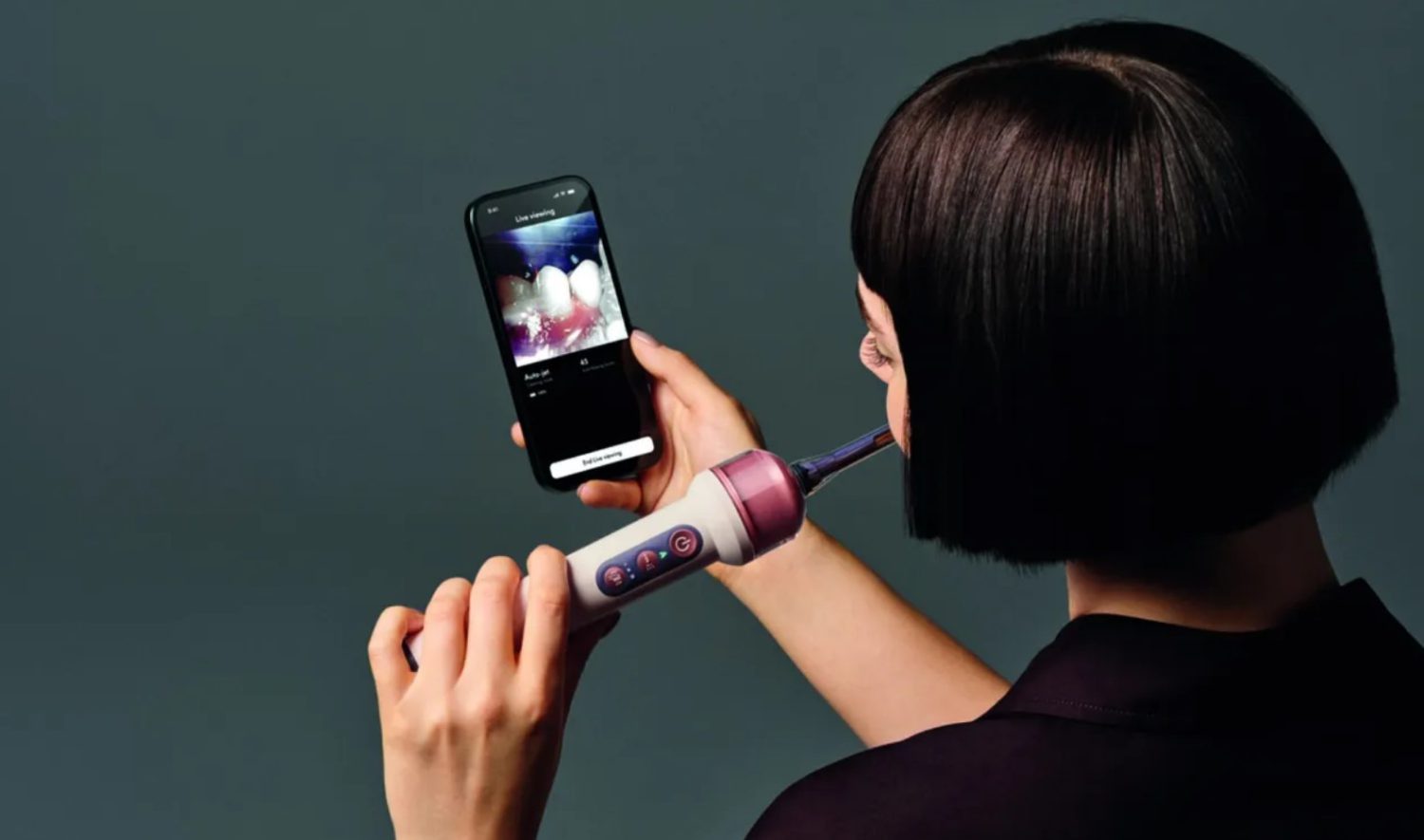
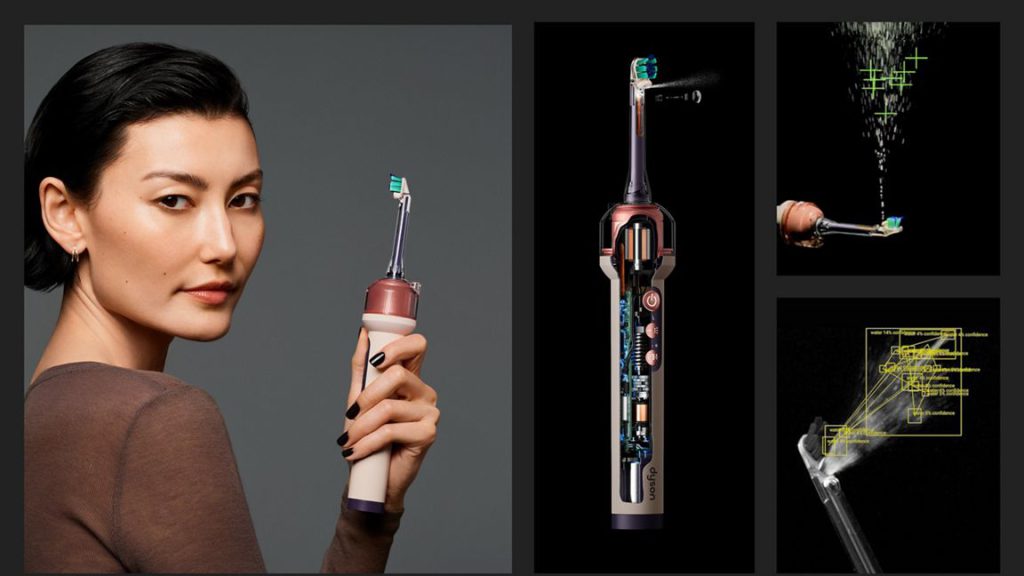
The CameraJet launched on September 1, 2026, with U.S. store availability beginning September 8, priced at $499.99. It combines a conventional electric toothbrush with a macro-lens camera integrated liquid reservoir, and a Gap Optical Targeting system trained on more than 470,000 dental images. Dyson says that system detects spaces between teeth and fires a targeted liquid burst within 100 milliseconds.
Within days of U.S. availability, buyers reported water collecting in battery compartments, charging failures, and devices stopping seconds after first use. Consumer Reports documented its own review unit failing before the first full day was out.
Per WIRED’s reporting, the CameraJet was no longer listed on Dyson’s French stores and website by September 11. By September 15, it was no longer available in outlets WIRED checked across the United States, United Kingdom, and Singapore.
Dyson head of Beauty Communications Liv Thomas said the company was experiencing strong global demand and production shortages while scaling manufacturing. She also confirmed that Dyson had isolated a “single component issue” affecting a small number of early batches and was supporting affected customers, according to Consumer Reports.
What Dyson Won’t Tell You
Dyson’s public statements confirm a problem exists while leaving buyers without the information needed to assess their own risk.
In the cited reporting, Dyson had not identified the component, specified how many units are affected, provided batch numbers that buyers could use to check their own devices, or explained the failure mechanism. No formal recall has been announced in available reporting.
Kyle Wiens, CEO of iFixit, told WIRED: “This sounds like a waterproofing issue.” He stressed he had not inspected a failed unit, making his assessment a hypothesis rather than a confirmed diagnosis.
Adam Toner, founder and technical director of Ripcord Designs, offered a similar read to WIRED: on a device of this type, “there just should never be any water ingress into the internals.” He raised a faulty gasket or O-ring as one possible explanation, though that too remains unconfirmed.
This device combines a battery, camera, onboard electronics, and a liquid reservoir. It is also exposed to water or mouthrinse during every use, which demands reliable sealing throughout its construction. Whether a seal, adhesive bond, or some other component is the source of the reported failures remains unclear.
Wiens argued to WIRED that products designed for easier repair are also easier to rework when manufacturing defects emerge. He called on Dyson to improve access to repair parts and technical documentation.
Separately, customer accounts reported by The Straits Times described overheating during charging, condensation forming near the camera lens, and inconsistent liquid spraying. Those complaints come from user reports, not independently confirmed defect data, and should be read accordingly.
What Buyers Should Know Right Now
Dyson has not given buyers a practical way to determine whether their unit is among those affected.
Dyson has not issued a formal recall and, in the cited reporting, had not published any method for buyers to identify whether their unit came from an affected batch. The company’s stated guidance directs concerned customers to contact its support service directly. Without batch numbers, a named component, or a disclosed defect rate, the cited reports provide no reliable troubleshooting way to determine whether your CameraJet is at risk.