Android users have had third-party options for years, but Google now has its own. The Pixel Tag became available November 11, 2026, through the Google Store at $29.99 for a single unit or $99.99 for a four-pack, putting it in direct price competition with Apple’s AirTag.
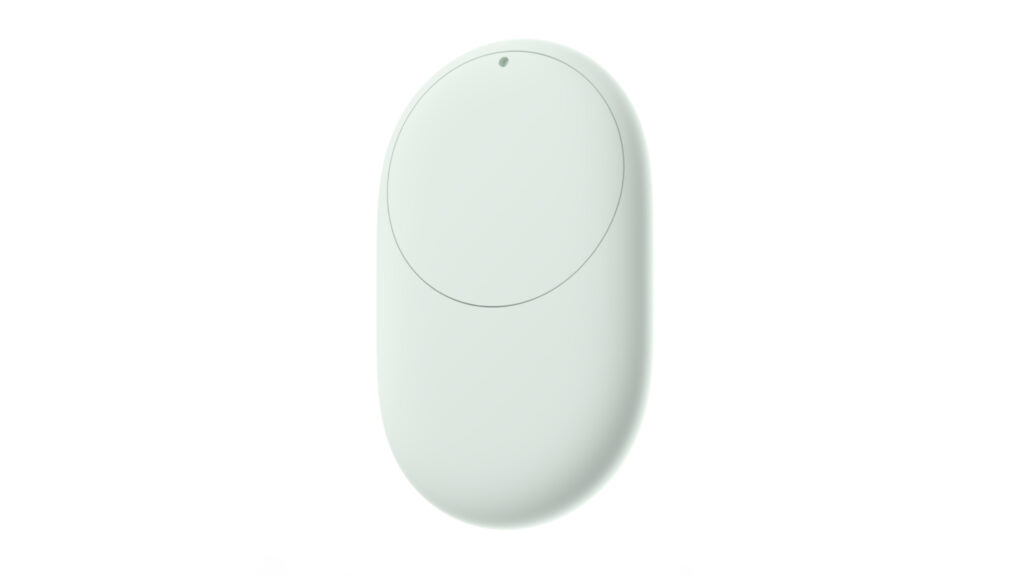
Find Hub Does the Heavy Lifting
Google’s billion-device network is what separates Pixel Tag from a basic Bluetooth tracker.
When a tagged item leaves the owner’s Bluetooth range, Find Hub uses nearby Android devices to detect and relay its location. Google says that network now spans more than one billion Android devices worldwide.
Up close, compatible phones can use ultra-wideband or Bluetooth Channel Sounding to deliver visual distance and directional guidance toward the item. The tag also includes a built-in speaker and a physical button; a double-press of that button rings the paired phone when both are within Bluetooth range.
Slim Design, Replaceable Battery
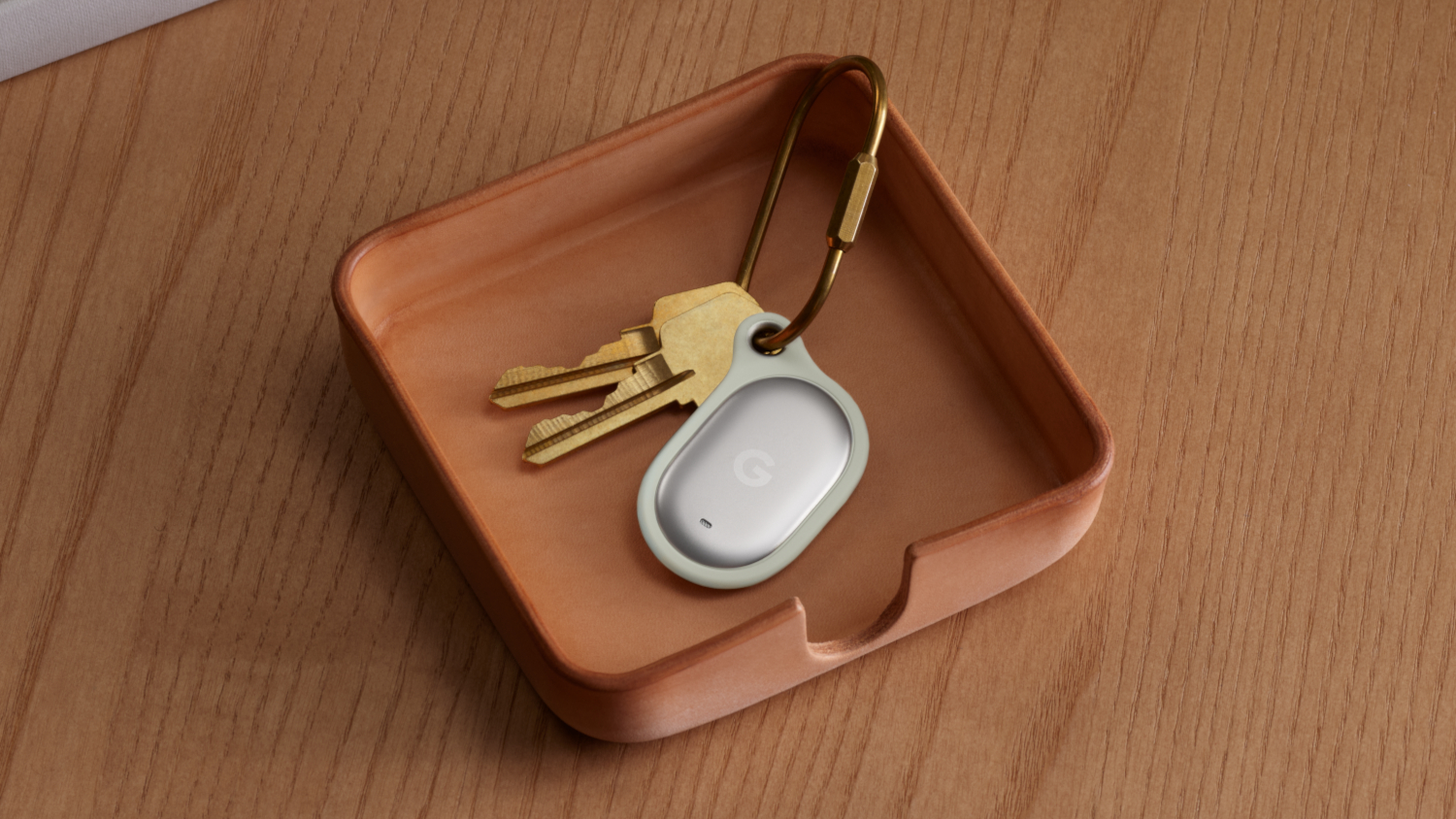
The elongated oval form is built to live on a keychain without the bulk.
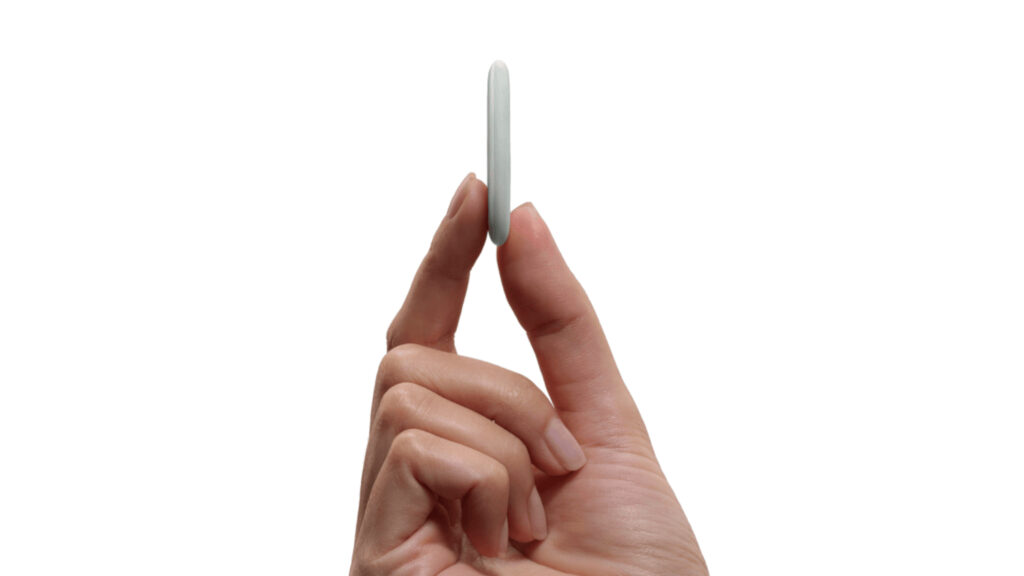
Pixel Tag has a polycarbonate and metal, elongated oval body measuring roughly 1.1 inches wide, 1.8 inches tall, and 0.2 inches thick. It weighs about 0.4 ounces with its battery installed and carries an IP67 water and dust resistance rating.
The tracker runs on a replaceable CR2032 coin-cell battery, with Google claiming up to one year of life per battery. One hardware detail remains unresolved: official launch specifications did not list NFC, but specialist reporting from 9to5Google states the retail unit includes it for opening device settings. Buyers for whom NFC matters should seek independent confirmation before purchase.
Sharing and Lost Mode
Location sharing and a contact display make Pixel Tag practical for families and shared bags.
Find Hub supports location sharing, making the tag suitable for family key rings or shared luggage. When a tag is marked lost, it can display the owner’s contact information so a finder can make contact.
Where It Fits in a Crowded Market
Native Find Hub integration is Pixel Tag’s clearest advantage; network density remains the real-world variable.
As of its November 2026 launch, Pixel Tag enters a market already served by Samsung, Motorola, and Pebblebee. Its principal edge is native, first-party integration with Find Hub, which no third-party Android tracker can fully replicate.
The limitation is equally concrete. Not every Android device qualifies for precise directional finding, which requires ultra-wideband hardware or supported Bluetooth capabilities. The crowdsourced network can also be inconsistent in areas with few Android devices nearby, according to an early hands-on report from Android Authority. Find Hub supports Android 9 and newer.
Where to Buy
Google Store is the primary retail channel at launch.
Pixel Tag is available through the Google Store in the Fog colorway. Bellroy is also offering compatible keychain cases for buyers who want a ready-made attachment solution.