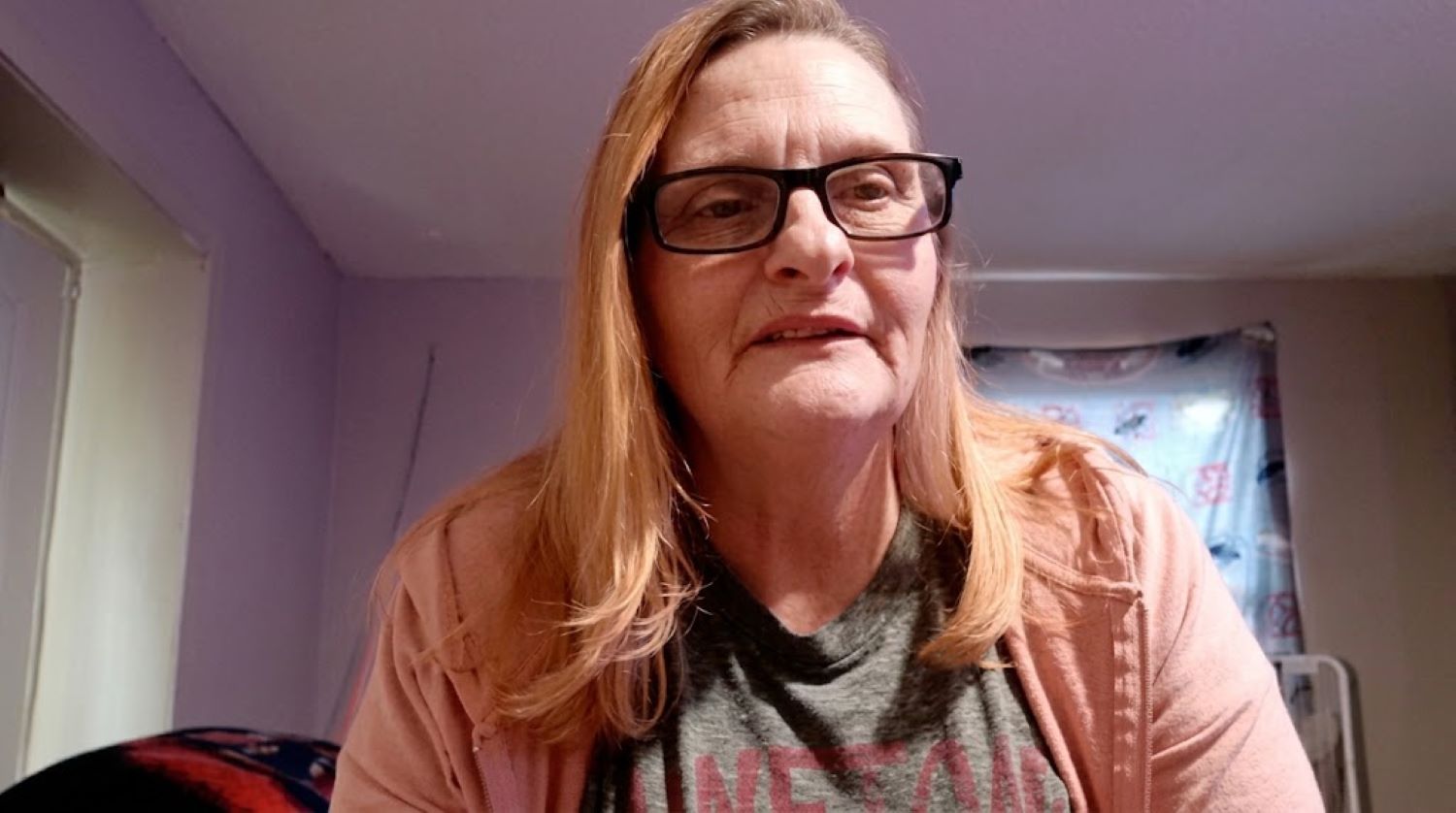
Angela Lipps was babysitting neighboring children in Tennessee when police arrested her for bank theft she says she never committed, in a state she wasn’t in. A facial-recognition search tied to a fake ID photo had connected her social-media image to a North Dakota investigation, and according to her federal complaint, that connection was treated as a conclusion rather than a starting point.
Lipps spent nearly six months detained, was extradited to North Dakota, and faced a $100,000 bond that, according to the complaint, she could not afford. Charges were eventually dropped. She has now filed a $10 million lawsuit against the city of Fargo and Fargo detective Lucas Heck, alleging wrongful arrest, false imprisonment, malicious prosecution and violations of her constitutional rights.
How a Lead Became an Accusation
The complaint alleges investigators treated an uncertain algorithmic result as a verified identification, bypassing the corroboration that probable cause requires.
A West Fargo investigator ran a photograph from a suspect’s fake identification document through facial-recognition software. The result pointed to a social-media image of Lipps. According to the complaint, adequate independent verification did not follow.
Fargo Police Chief Dave Zibolski acknowledged the department found “a couple of errors.” His own public statement captures the core problem: “As you can imagine, the photo on the fake ID that I use doesn’t necessarily mean that I am the person that’s in that fake ID,” he said, according to MPR News reporting on a public briefing.
Zibolski also said Fargo detectives mistakenly assumed West Fargo’s analysis had searched bank-surveillance images of the actual suspect. The software had only searched the fake ID photo. That distinction matters: it is the difference between a lead worth pursuing and probable cause sufficient to arrest someone across state lines.
Fargo officials maintain that investigators took additional steps to corroborate the lead. Lipps’s complaint alleges those steps were inadequate or absent. That disagreement is precisely what the litigation will need to resolve.
Six Months. Christmas Eve. No Charges.
Bank records ultimately placed Lipps in Tennessee during the alleged crimes, but only after months of detention.
According to the complaint, Lipps was held in a Tennessee detention center, extradited to North Dakota and faced a bond she could not meet. She and her attorney provided bank records supporting her account that she was in Tennessee when the alleged crimes occurred. She was released on Christmas Eve.
“Obviously, it is a significant number, but it reflects the specific harm that happened to Angela,” attorney Eric Rice told WKRN, an ABC News Nashville affiliate, referring to the $10 million damages demand. The complaint further alleges, as unproven claims in active litigation, that Lipps was denied medications and dentures while detained and lost her housing and vehicle after her release.
What Needs to Change
Restricted cross-departmental use is a start, but the complaint alleges the underlying policy failures run deeper.
According to Zibolski, Fargo had no facial-recognition system of its own and used West Fargo’s tool in a way that fell outside its normal procedures. That cross-departmental use has since been restricted. The complaint alleges, however, that the department lacked adequate policies, training and supervision before any of this occurred.
The appropriate response is not a blanket prohibition on facial recognition. It is treating the technology as what it is: an investigative lead that requires independent verification before it reaches a warrant affidavit. Courts spent years developing rules around eyewitness testimony because confident-sounding identifications can be wrong. Algorithmic outputs warrant the same disciplined scrutiny.
What the available reporting does not yet establish is whether Fargo’s new restrictions include mandatory documentation, accuracy thresholds or disclosure requirements to defense counsel. Audits of prior cases handled under the old procedures also remain unaddressed publicly. Those gaps need answering, and not only in Fargo.
What the Lawsuit Will Have to Establish
Discovery may clarify what officers knew, what the warrant disclosed and whether the failures were institutional.
The litigation could address what Heck knew about the facial-recognition result and what the warrant affidavit disclosed about its limitations. It may also clarify whether the department’s training failures were institutional rather than individual. The city has declined to comment on pending litigation, and no liability has been established.
The technology is not what is on trial here. The judgment of the people who used it is.