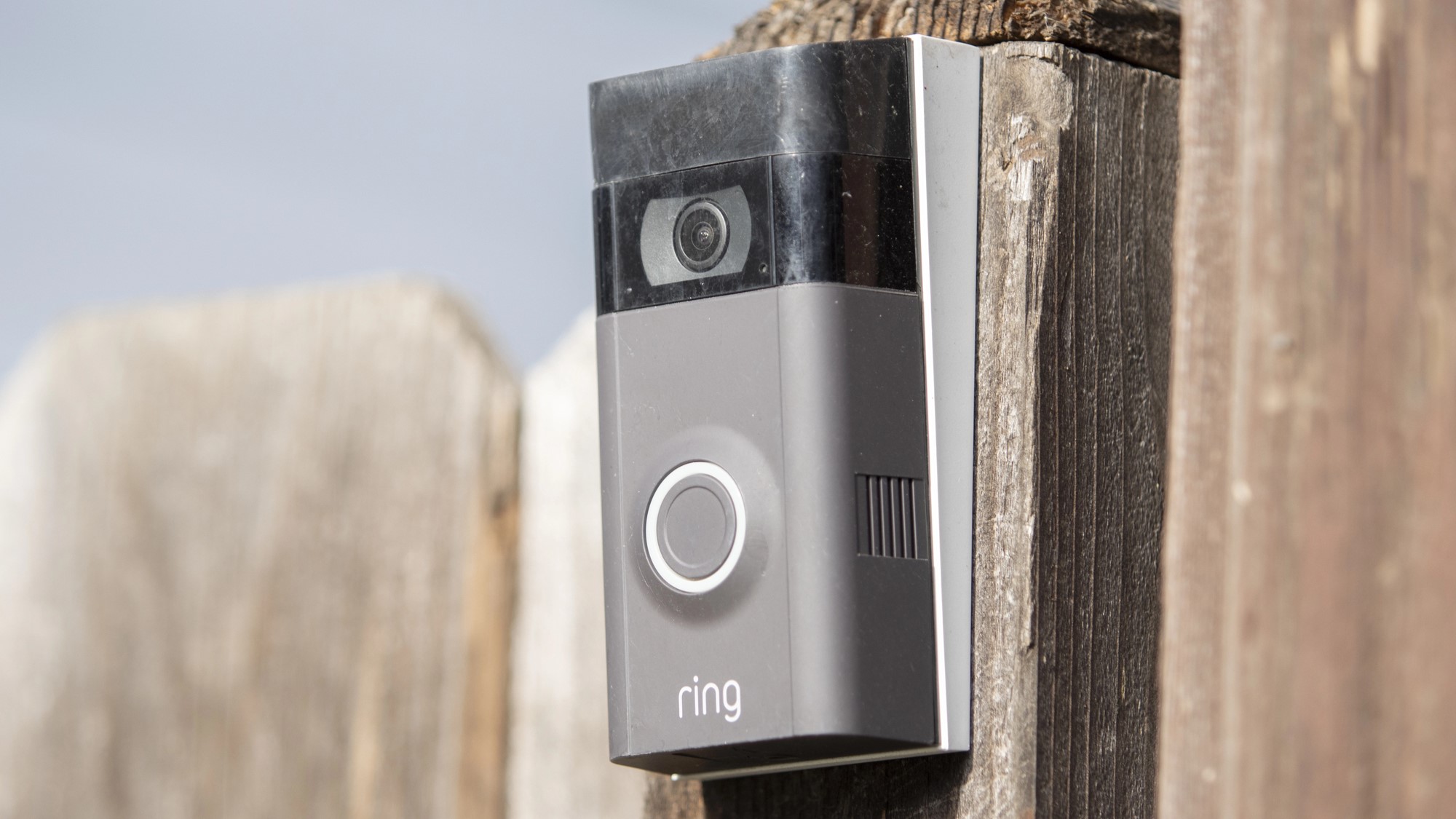
Walking past your neighbor’s Ring doorbell just became a legal minefield. That innocent stroll to check the mail might have triggered facial recognition software that scanned, analyzed, and stored your biometric data without your knowledge. Now Amazon faces a proposed class action lawsuit over this exact scenario.
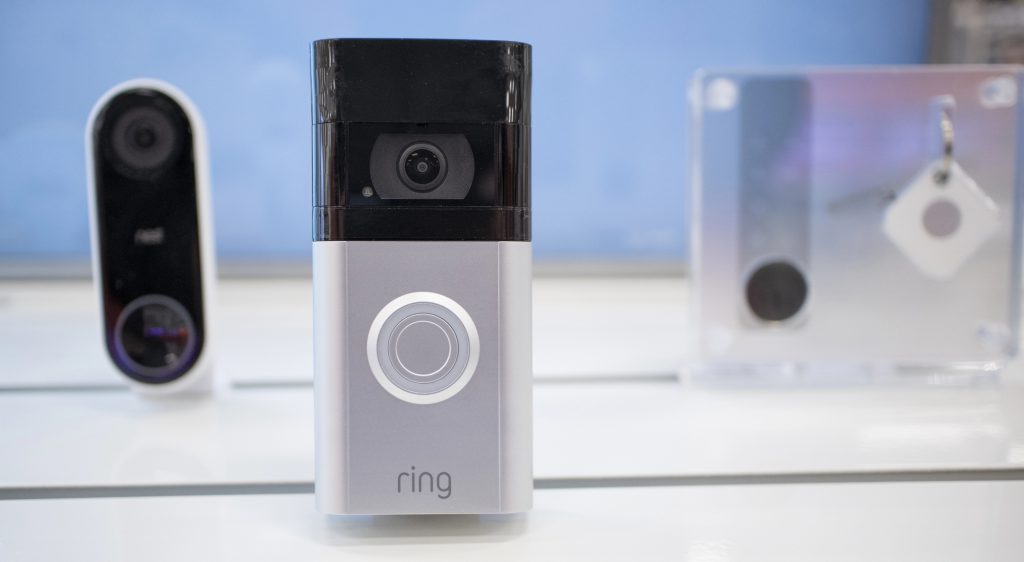
Virginia resident Charles Sigwalt filed the suit in Seattle, alleging Ring’s “Familiar Faces” feature violates biometric privacy laws by scanning millions of Americans who never consented to facial recognition. The feature promises Ring owners smarter alerts—”Dad is at the door” instead of generic motion notifications—but the Electronic Frontier Foundation argues it processes “all people who approach the camera” to match against stored faces.
Amazon’s Privacy Promises Meet Legal Reality
The company restricts the feature in some states while defending its safeguards elsewhere.
Amazon told reporters the feature stays off by default and won’t launch in Illinois, Texas, or Portland—jurisdictions with strict biometric enforcement. The company promises encrypted face data, no sharing with third parties, and automatic deletion of unidentified faces after 30 days. Yet these safeguards couldn’t prevent the lawsuit, which builds on Ring’s troubled privacy history, including a 2023 FTC settlement over employee access to private videos. Apps secretly tracking users without proper consent have become a widespread concern across the tech industry.
Pattern of Surveillance Expansion and Retreat
Ring keeps pushing smart home boundaries, then pulling back after criticism.
This legal challenge follows other controversial Ring announcements that faced swift backlash. The company scrapped a partnership with surveillance firm Flock Safety after founder Jamie Siminoff called the collaboration too much “workload”—likely code for too much controversy. Ring also introduced and then quietly downplayed an AI-powered “Search Party” feature for finding lost pets, another tool that raised surveillance concerns. Similar privacy violations extend beyond consumer devices, as seen with other surveillance app incidents.
Your Ring camera’s privacy settings suddenly matter more than you might have realized. If you’re already using Familiar Faces, you’re making biometric privacy decisions for every delivery driver, neighbor, and passerby who approaches your door. For everyone else walking past Ring cameras, this lawsuit represents a rare chance to push back against facial recognition creep in residential areas—the kind of everyday surveillance that’s becoming as common as porch packages. For those concerned about these privacy implications, exploring alternative home security systems might offer better privacy protection.