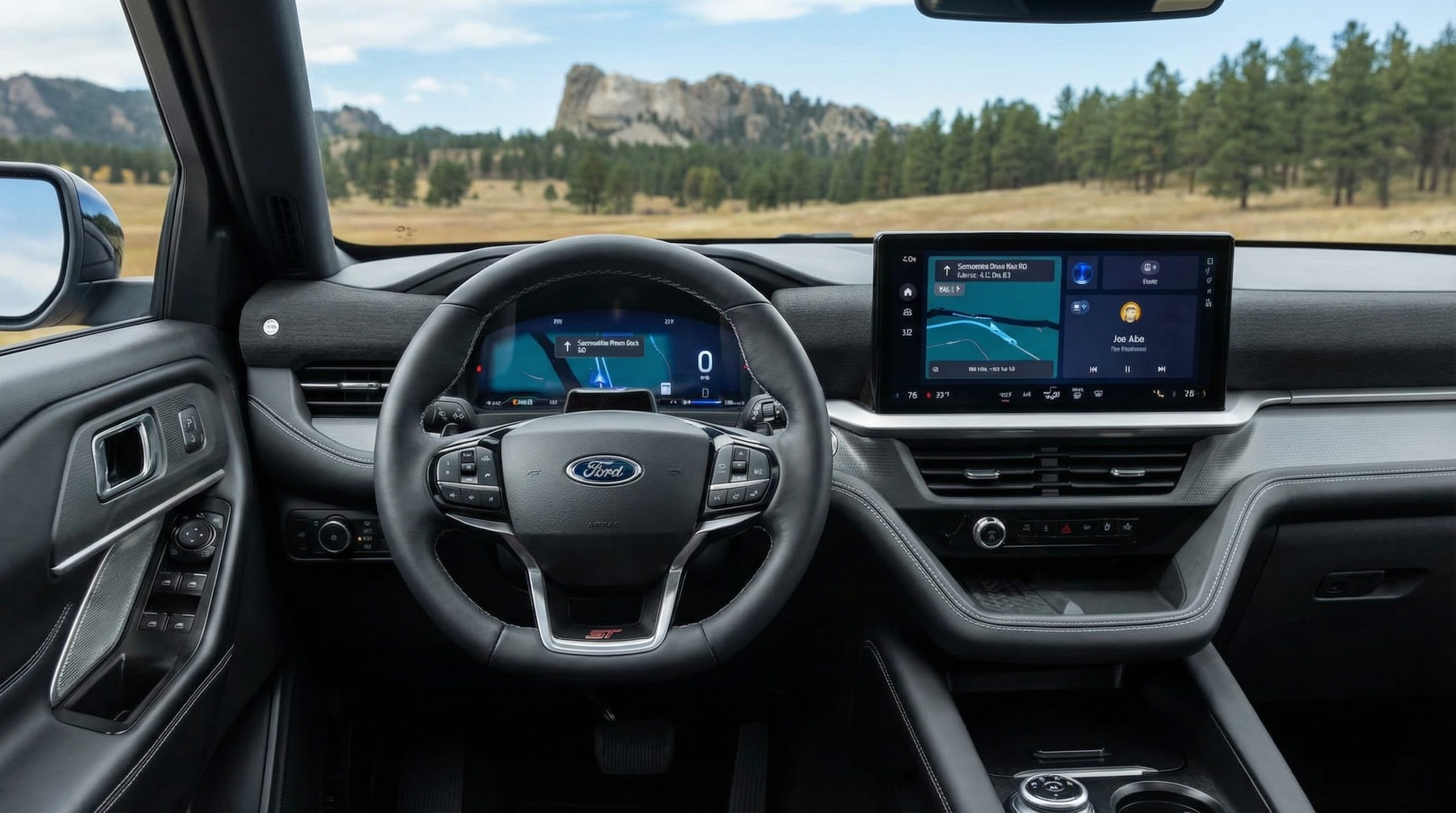
You just dropped $45,000 on a new car costs. The seats are leather. The cameras are embedded. The driver-assistance computer hums under the dash. Then a notification pops up on the touchscreen: subscribe to unlock hands-free highway driving. The hardware is right there, bolted into the chassis you financed. But a software license decides whether you get to use it. Welcome to the monthly-fee car — nobody mentioned this at the dealership.
Your Car Is Now a Software Platform
Automakers install the same hardware across most trims, then charge you to flip the switch.
Modern vehicles ship with standardized sensors, cameras, and computing modules regardless of trim level. Software licenses — not physical components — determine which features actually work. Over-the-air updates let manufacturers change feature tiers or revoke access without a dealership visit. The economic logic mirrors your smartphone’s app store: once the platform exists, features sell repeatedly at near-zero marginal cost, including to second and third owners down the line.
Here’s what that looks like on your credit card statement:
- Tesla’s Full Self-Driving runs roughly $99–$199 per month; Premium Connectivity for live traffic and satellite maps costs extra
- Ford’s BlueCruise hands-free highway driving runs about $49.99 monthly, $495 annually, or a lump sum upfront — the hardware is already installed either way
- The margin logic behind these prices is stark: GM keeps approximately 70 cents of every subscription dollar as profit, with nearly $2 billion already recognized from Super Cruise and OnStar combined
- BMW launched an $18-per-month heated seat subscription in 2022 on hardware owners already possessed, faced furious backlash, and killed it by September 2023 — a cautionary tale the rest of the industry noticed
Monetizely’s monetization analysts describe charging for pre-installed hardware unlocks as “the most visible — and controversial — approach” to automotive monetization, given that the marginal cost of activation is essentially zero.
The distinction matters. Subscriptions covering genuine ongoing costs — live traffic data, continuous ADAS software development, map maintenance — are defensible. Paying monthly to activate a heating coil already under your seat is not. Mercedes-Benz has ruled out subscriptions on hardwired comfort features entirely. No major U.S. automaker currently sells heated seats as a subscription.
The Trial-Period Trap
Free trials train you to depend on features before the first real bill ever arrives.
Automakers bundle one to four years of complimentary connected services with new cars, then cut access when trials expire — the same playbook Spotify runs before your card gets charged. The catch: in some markets, fewer than one in five customers renew after free periods end, suggesting most drivers reject the value proposition once actual money enters the equation — and may be paying too much without realizing it. Enjoyment during a free trial and willingness to pay are very different things.
Before signing paperwork, ask three questions:
- Which features vanish when the trial ends?
- Does a one-time buyout option exist for features you’ll use daily?
- Does this subscription fund a real ongoing service — or just flip a software switch on hardware you already own?
The monthly-fee car is here. Know exactly what you’re buying — and consider simple DIY car fixes that can offset some of these recurring costs.