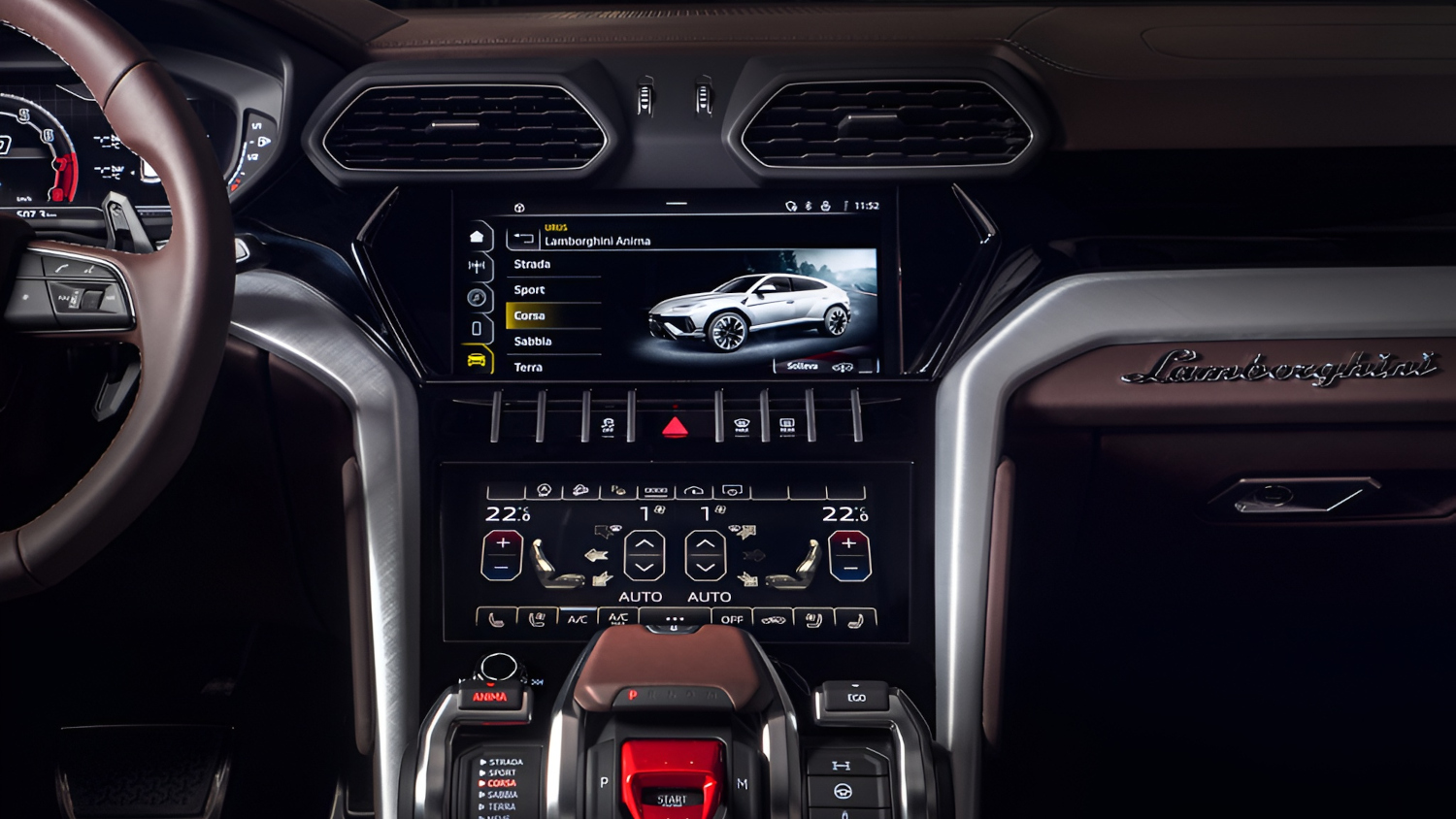
JD Power data confirms what you already suspected every time that seven-second animation plays in your gauge cluster before you can change drive modes.
Infotainment is now the single biggest quality problem in new cars, accounting for roughly 25% of all reported vehicle issues and the only major category getting worse while everything else improves.
One Category, a Quarter of All Problems
Multimedia problems sit at approximately 42.4 problems per 100 vehicles (PP100) in JD Power’s Component Quality data. Other categories improved year over year; infotainment didn’t, which is how it grew to represent a quarter of all vehicle issues, according to JD Power’s Component Quality findings reported by Business Wire.
JD Power’s 2026 Initial Quality Study, which tracks the first 90 days of ownership, reinforces the pattern. Infotainment is the only category where reported problems increased: 44.4 PP100 in mass-market vehicles and 38.3 PP100 in premium vehicles.
Then there’s the safety dimension. “Among owners who detailed a distracted driving-related problem with their vehicle, 46% said the source of the distraction was from the infotainment or touchscreen,” according to JD Power’s 2026 Initial Quality Study.
Infotainment accounts for 25% of all vehicle problems and is the only category to worsen year over year.
JD Power, 2026 U.S. Multimedia Quality and Satisfaction Study
Long-Term, It Gets Worse
JD Power’s Vehicle Dependability Study, which tracks three-year-old vehicles, shows infotainment climbed from about 49.1 PP100 in 2024 to 56.7 PP100 in 2026. The next worst category, exterior, sits at roughly 27.5 PP100, and that gap is not close.
Android Auto and Apple CarPlay connectivity is the single worst individual problem in the industry for multiple consecutive years, according to JD Power’s Vehicle Dependability Study. It is also the biggest driver of the year-over-year Initial Quality Study decline, rising approximately 1.4 PP100.
The summary from JD Power’s Component Quality findings is direct: infotainment “accounts for 25% of all vehicle problems and is the only category to worsen year over year.”
Why Screens Keep Getting Worse
Touchscreens cost less to manufacture than physical knobs and switches, especially when one interface platform rolls across an entire vehicle family. That gives automakers a structural financial reason to keep leaning on them despite the quality data, as The Drive has reported.
Concrete examples illustrate what that cost calculus produces in practice. During a BMW M5 Touring test drive, the central display goes dark simply to show a caller’s phone number. GMC Sierra EV and Hummer EV test drives triggered “distracted driver” alerts during routine screen interactions, and Toyota’s high-feature trucks play a roughly seven-second animation in the gauge cluster whenever you change drive modes, according to The Drive.
Over-the-air updates were supposed to close the gap between automaker software capability and consumer expectations. According to a synthesis of JD Power data, only about 27 to 30% of owners who received an OTA update said it actually improved their car, the majority noticed no difference, and OTA updates were statistically associated with a rise in reported problems.
The Knob May Be Making a Comeback
If infotainment scores stay flat while the rest of the car keeps improving, the pressure on automakers to rethink their approach will only intensify. JD Power’s distraction data also signals potential regulatory attention: when nearly half of self-reported distracted driving complaints trace back to a touchscreen, that is the kind of number that tends to surface in policy conversations.