New Jersey Senate Bill 1677 would create a three-year pilot program for fully autonomous vehicles. Every vehicle in the program must include a camera system plus two distinct sensing modalities capable of detecting and tracking obstacles if the cameras fail.
The systems must support pedestrian detection, automatic emergency braking, and lane-keeping. State authorization would be required before any company could operate under the program.
The bill is sponsored by Democratic state Sen. Andrew Zwicker, a physicist and researcher at Princeton Plasma Physics Laboratory. It does not name lidar or radar specifically, but those are the technologies most likely to satisfy the two-additional-modality requirement under current autonomous vehicle designs, according to reporting by The Verge.
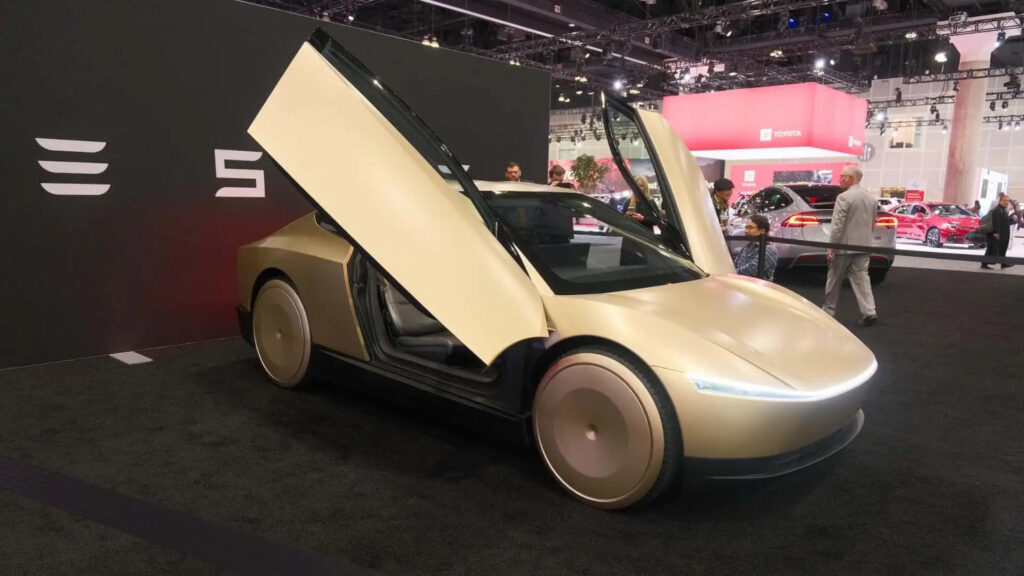
Why Tesla Has a Problem With This
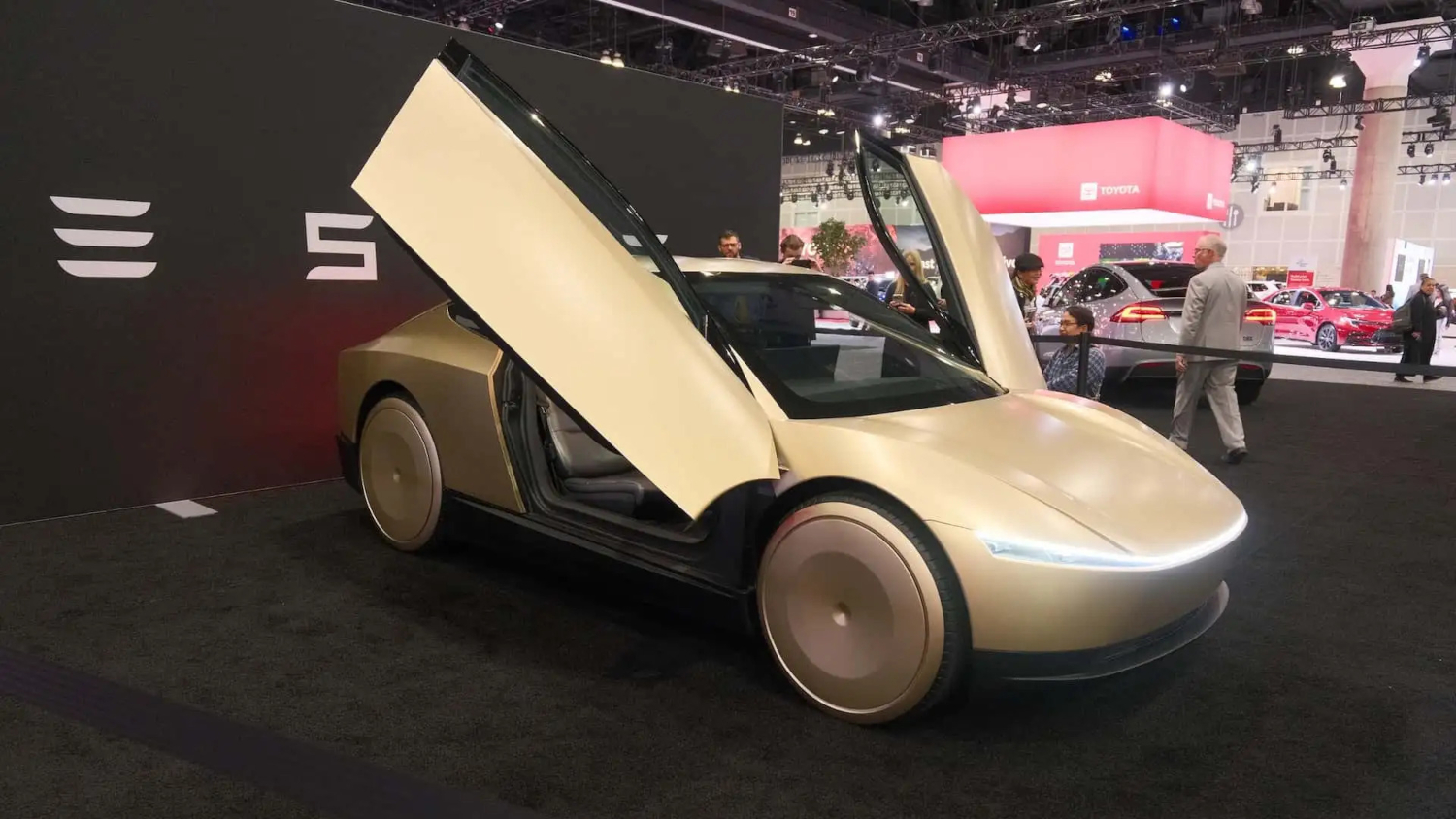
Tesla’s camera-focused robotaxi hardware would likely not qualify under the bill’s sensor requirements without modification.
Tesla’s robotaxi approach relies on cameras and artificial intelligence rather than lidar and radar. Under the proposed law, that configuration would likely not qualify for the New Jersey pilot unless Tesla modifies its vehicles or uses a compliant hardware setup.
The bill applies to fully autonomous vehicles operating without a human driver taking responsibility. It does not affect driver-assistance features that already require a licensed human driver.
What the Sponsor Says
Zwicker frames the proposal as a redundancy requirement rather than a measure targeting any particular company.
Zwicker rode in a Waymo robotaxi in Phoenix before drafting the legislation. He has said the bill is about safety, not about singling out Tesla.
“This is not anti-Tesla,” Zwicker told The Verge. “I’m pro-New Jersey safety.”
He explained his reasoning in a second reported quotation from The Verge: “At this point, I don’t think the evidence is sufficient that a single sensor with software can handle situations that humans can.”
Two Philosophies, One Road
The bill surfaces a genuine technical disagreement about how autonomous vehicles should sense the world around them.
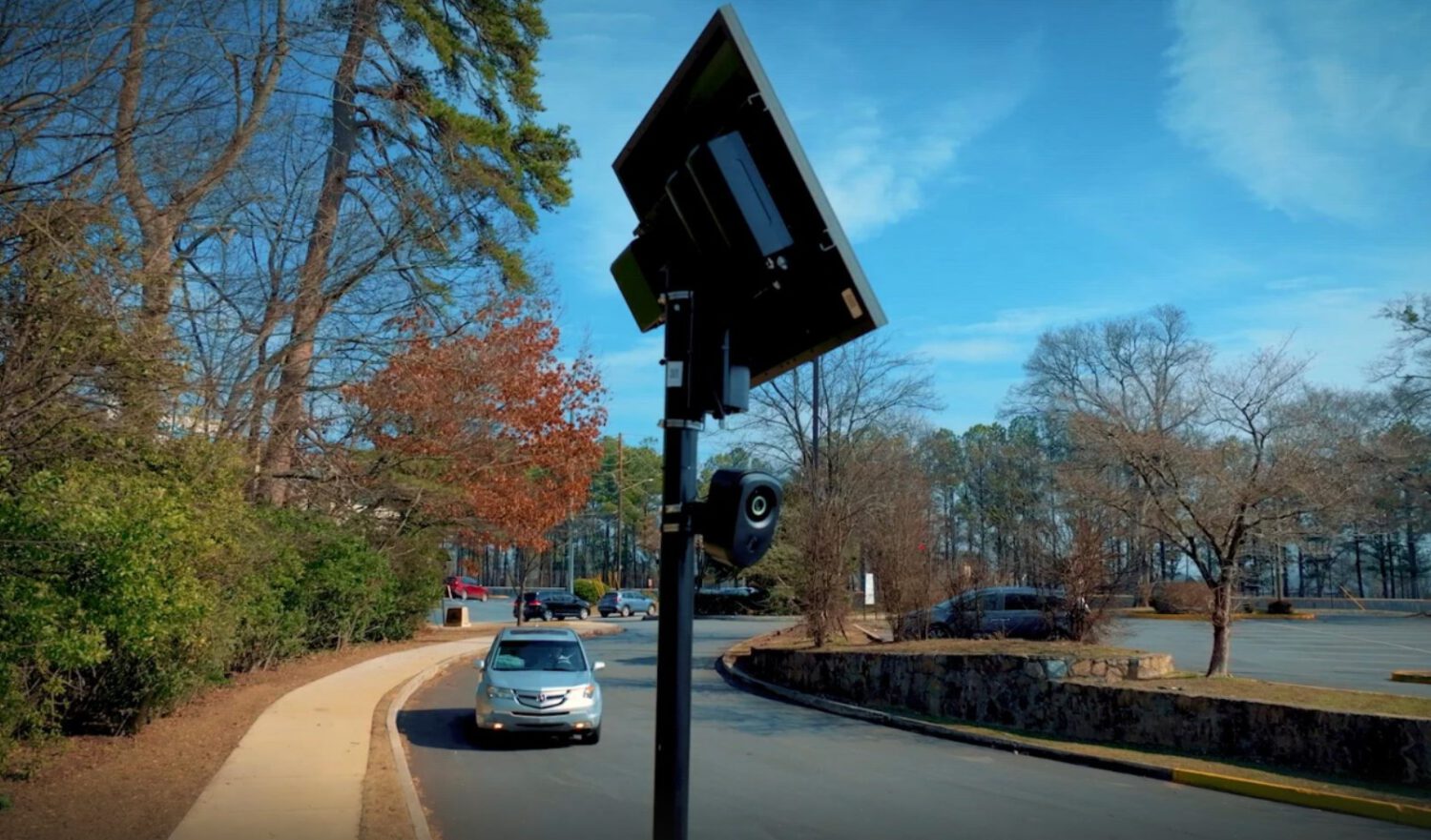
Cameras provide visual sensing but can be degraded by darkness, glare, rain, snow, or physical obstruction. Lidar maps surroundings in three dimensions using laser pulses, while radar detects objects and estimates distance and speed using radio waves.
Waymo and several other autonomous vehicle developers combine all three sensor types. Their argument is that diversity across sensing systems creates redundancy and broader operating conditions.
Tesla’s counterargument is that human drivers navigate primarily through vision. The company has argued that advances in artificial intelligence can make a camera-based approach sufficient.
Neither position has been definitively settled by public crash or performance data. The bill does not claim otherwise.
The Testing Threshold
Companies must log significant supervised miles in New Jersey before they can remove a human safety driver.
The bill would require at least 50,000 miles of supervised in-state testing without a major incident before a company could operate without a human safety driver, according to The Verge. Companies must also report operational and crash data, including speed, steering, braking, sensor inputs, and system failures around collisions.
Where This Fits Nationally
New Jersey could become one of the first states to codify a hardware-oriented sensor mandate for fully autonomous vehicles.
A similar proposal has been reported in neighboring New York. Autonomous vehicle regulation otherwise remains fragmented across states, with federal standards still incomplete.
Waymo, which would likely satisfy the sensor requirement under its existing hardware, reports more than 500,000 paid rides per week nationally, a figure the company has released publicly. That figure reflects deployment scale and does not establish that multi-sensor systems are categorically safer than camera-only systems.
The Question the Bill Leaves Open
The legislation raises a broader debate about whether hardware mandates or outcome-based standards are the right framework for autonomous vehicle policy.
The bill’s technology-neutral wording, requiring “distinct sensing modalities” rather than specific products, means future sensing technologies could potentially qualify as they emerge. The deeper regulatory question remains unsettled: should lawmakers mandate a specific hardware configuration, or regulate measurable outcomes such as crash rates, disengagement frequency, and failure recovery instead?