Searching for a new gaming laptop in 2026 feels like navigating a digital minefield. Prices climb faster than a crypto bro’s ego, and hardware updates often feel more incremental than revolutionary. Anyone who has browsed a gaming-laptop configurator knows the drill: add RAM, watch the price jump; upgrade the GPU, watch your budget evaporate. This guide dissects 25 meticulously evaluated gaming laptops, revealing which machines truly earn their spot and offer performance that matters amidst the chaotic 2026 landscape.
This content may contain affiliate links. If you wish to support us and use these links to buy something, we may earn a commission.
25. Gigabyte Gaming A16
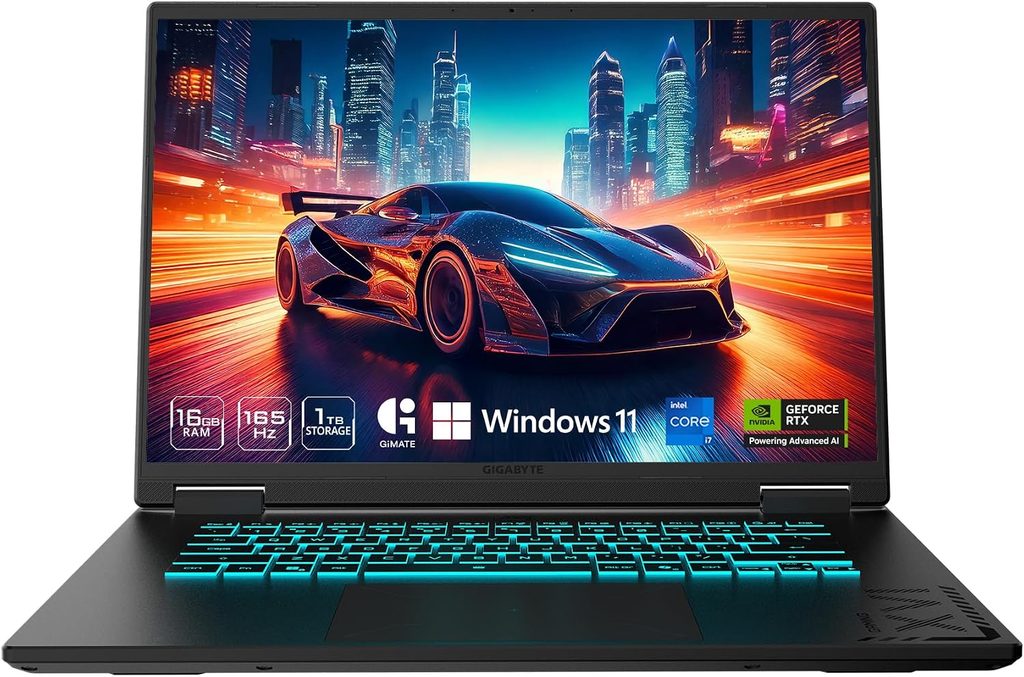
Budget entry with compromised GPU power and visible display ghosting.
The 16-inch Gigabyte Gaming A16 emerges as a budget-conscious option for aspiring gamers. Its configurations include an RTX 5060 GPU, yet Gigabyte operates this graphics card below its full potential. This decision aims for a lower price point, meaning peak performance from the model number alone remains out of reach. For a student gamer on a tight budget, these hardware compromises define the experience.
Compromises extend to the visual experience, where the display suffers from visible ghosting. This issue makes fast-paced action feel less crisp. Anyone who has tried to follow a fast-moving object on an old LCD monitor knows this frustration. While the A16 offers a path into PC gaming for limited funds, these concessions are unavoidable.
24. Lenovo LOQ (older-generation models)
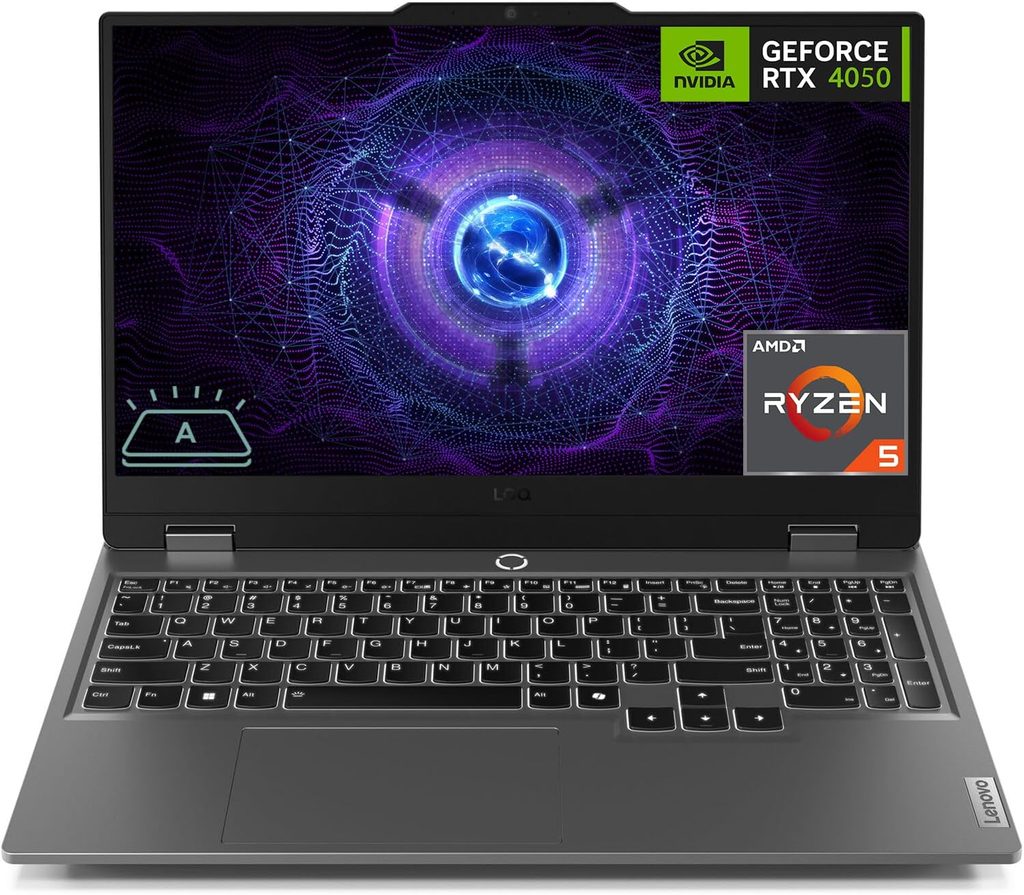
Solid value when discounted; newer versions substantially more expensive.
Older-generation Lenovo LOQ models, particularly those featuring an RTX 5050 GPU, offer significant value when found discounted or refurbished. This line represents Lenovo’s accessible entry into gaming laptops. For budget-conscious buyers hunting for a reliable machine, these configurations deliver solid gaming performance for less demanding titles. Newer LOQ versions, while improved, come with a substantially higher price, often placing them outside a strict budget. It resembles snagging a well-maintained classic car for the price of a new compact; it might not have every bell and whistle, but it gets the job done and saves a hefty sum.
23. Lenovo Legion 5 (previous-generation models)
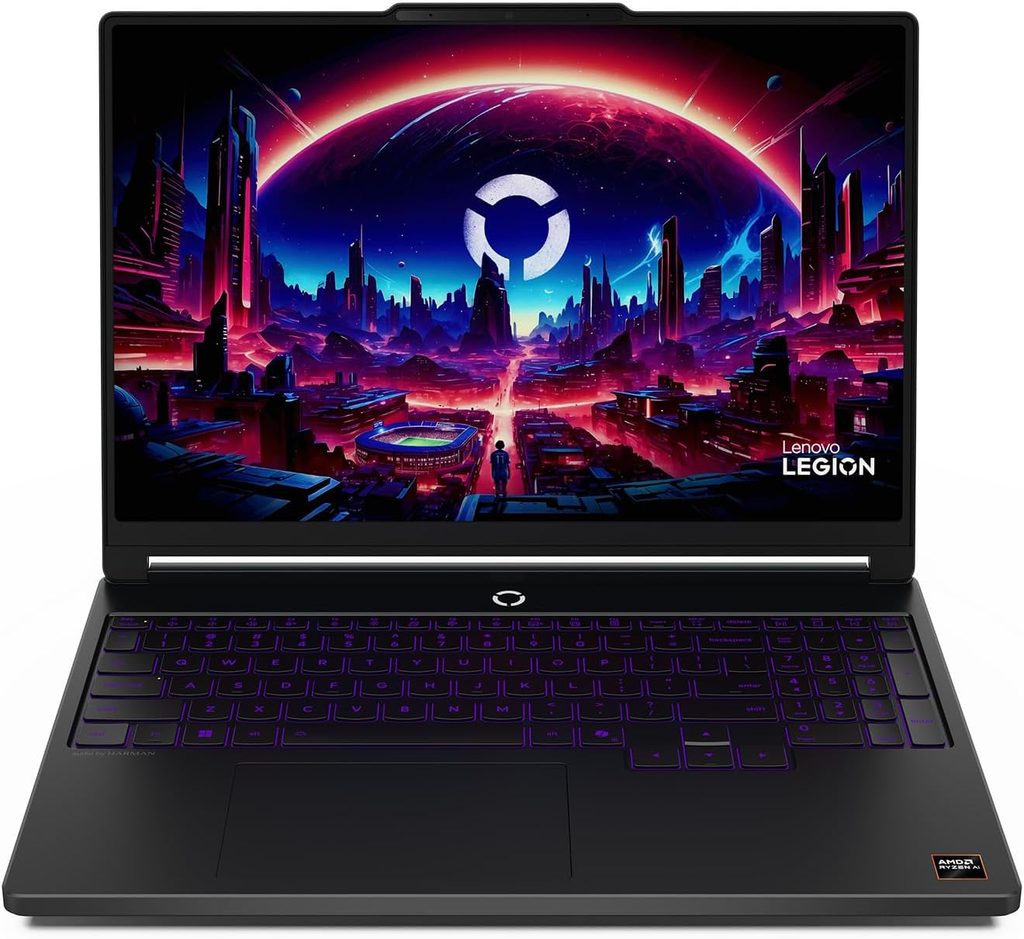
Full-power RTX 5060 and Intel HX processors at deep discounts.
For those demanding robust power without a premium price tag, previous-generation Lenovo Legion 5 models offer a smart play. These higher-value systems frequently appear with deep discounts. Configurations boast full-power RTX 5060 graphics and potent Intel HX processors. This delivers a punch older machines cannot match. Availability, however, is a game of chance, entirely dependent on remaining inventory.
22. HP Omen 16
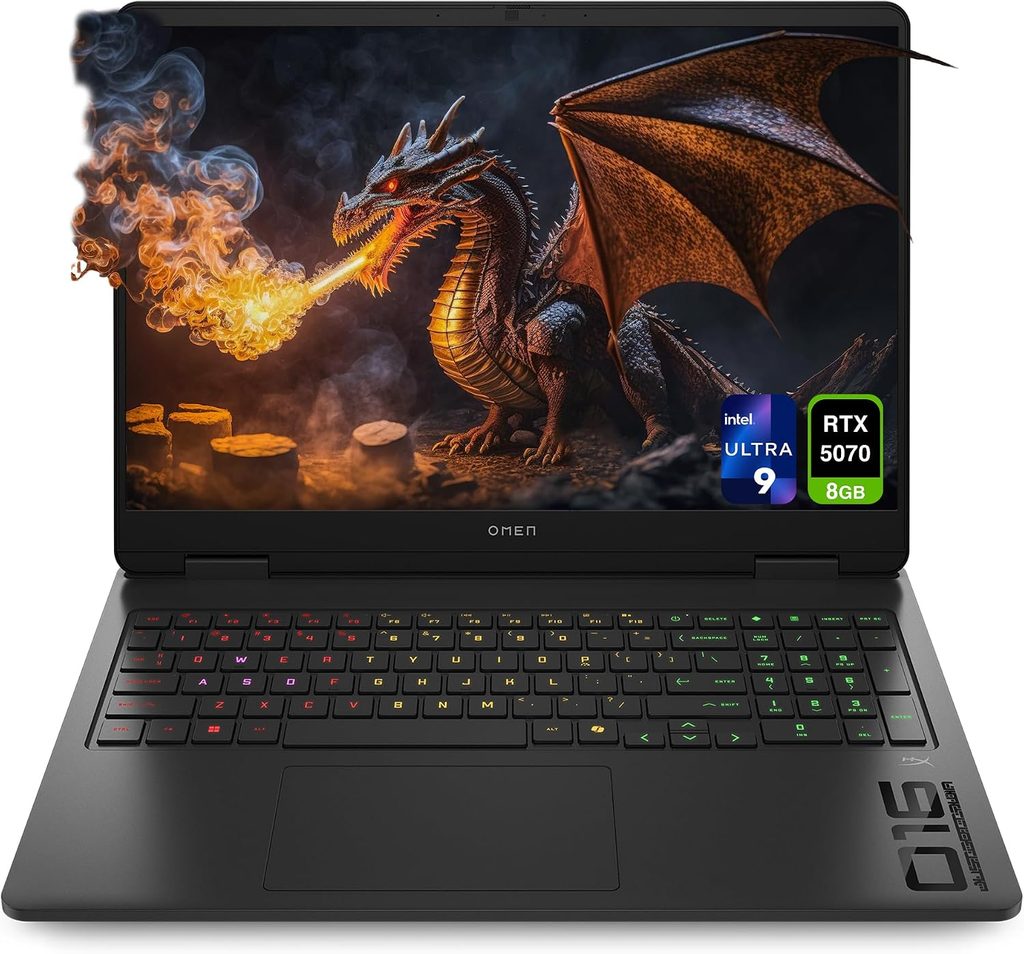
Frequent discounts mask low RAM, small SSDs, and reduced GPU wattage.
HP frequently positions the Omen 16 as a budget-friendly gaming laptop, often offering significant discounts that make an RTX 5060 or RTX 5070 configuration appear as a top-tier deal. Verify crucial components before purchasing. Many discounted units may feature only 8 GB of RAM or a modest 512 GB SSD, a setup that can quickly bottleneck modern games. Additionally, check the CPU generation and the GPU’s actual power limits; an RTX 5070 with reduced wattage is not the same beast. The label is similar, but the experience is miles apart.
21. Acer Predator Helios Neo 16
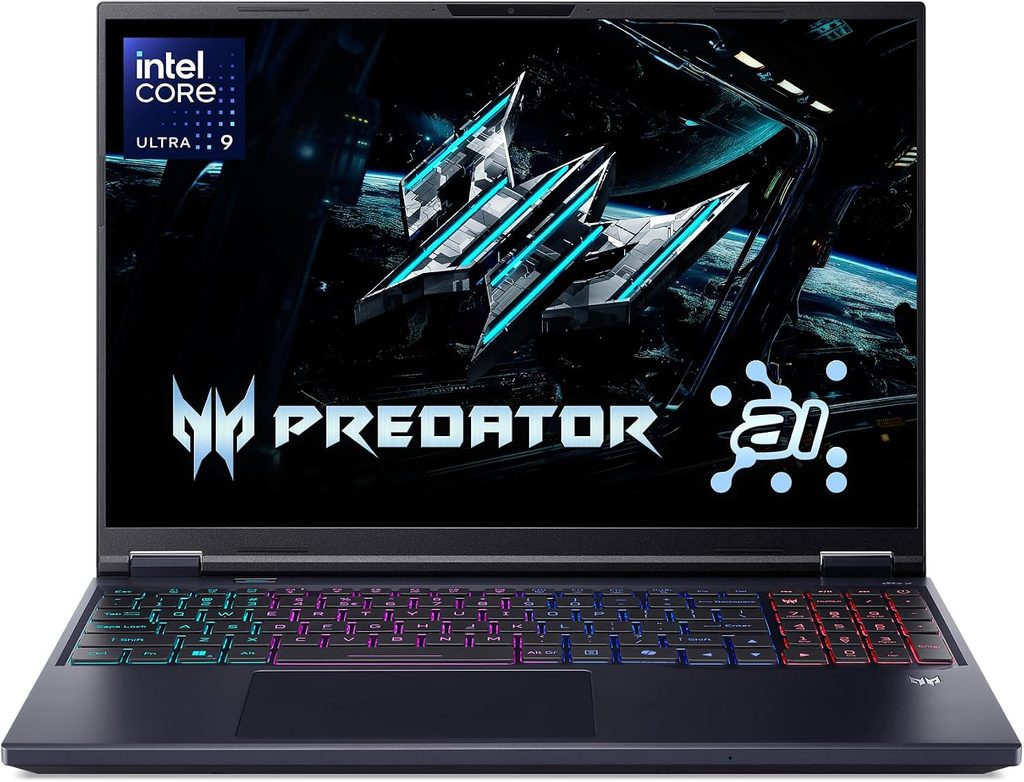
OLED display and RTX 5070 Ti near $1,900; poor battery life and capped GPU wattage.
The Acer Predator Helios Neo 16 delivers substantial value around $1,900. This 16-inch gaming laptop features a stunning OLED display, which makes every game and movie pop with vibrant clarity. With an RTX 5070 Ti graphics card and a generous 32 GB of RAM, it delivers substantial performance for creative tasks and serious gaming. Its raw power is evident, presenting a true feast for the eyes.
However, this machine does have its trade-offs. The battery life drains faster than a fleeting internet meme. While it houses a capable RTX 5070 Ti, the GPU does not operate at its full wattage. Furthermore, the display’s refresh rate cannot be reduced to 60 Hz, which impacts power efficiency and limits options for optimizing battery use.
20. Gigabyte Aero X16
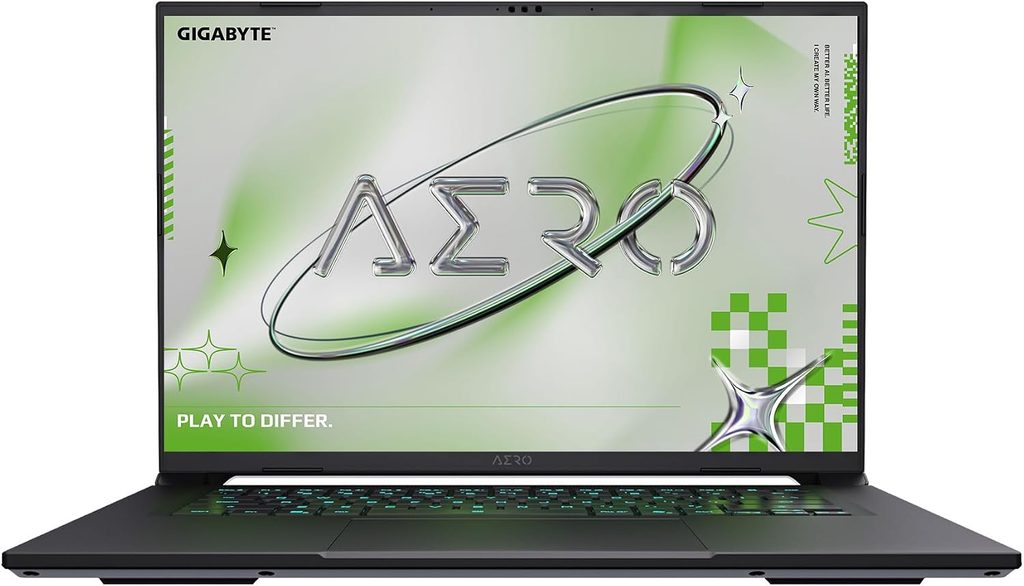
Portable creator laptop with RTX 5070 and 32 GB RAM; cheap chassis with keyboard flex.
The Gigabyte Aero X16, a machine trying to balance creative power with gaming chops, delivers portability with a trade-off. This portable system delivers up to RTX 5070 graphics, pulling approximately 75 W GPU power, making it more robust than many rivals. Configurations with 32 GB of RAM appear near $1,200, a price that screams value to any budget-conscious creative. Its lighter frame means it slides into a bag easily.
However, this portability comes with a cheaper chassis. The keyboard-deck flex feels noticeable during typing, a minor but genuine buzzkill. It represents a definite upgrade from the Gigabyte A16, offering better GPU performance and expandable memory.
19. ASUS ROG Strix SCAR 16
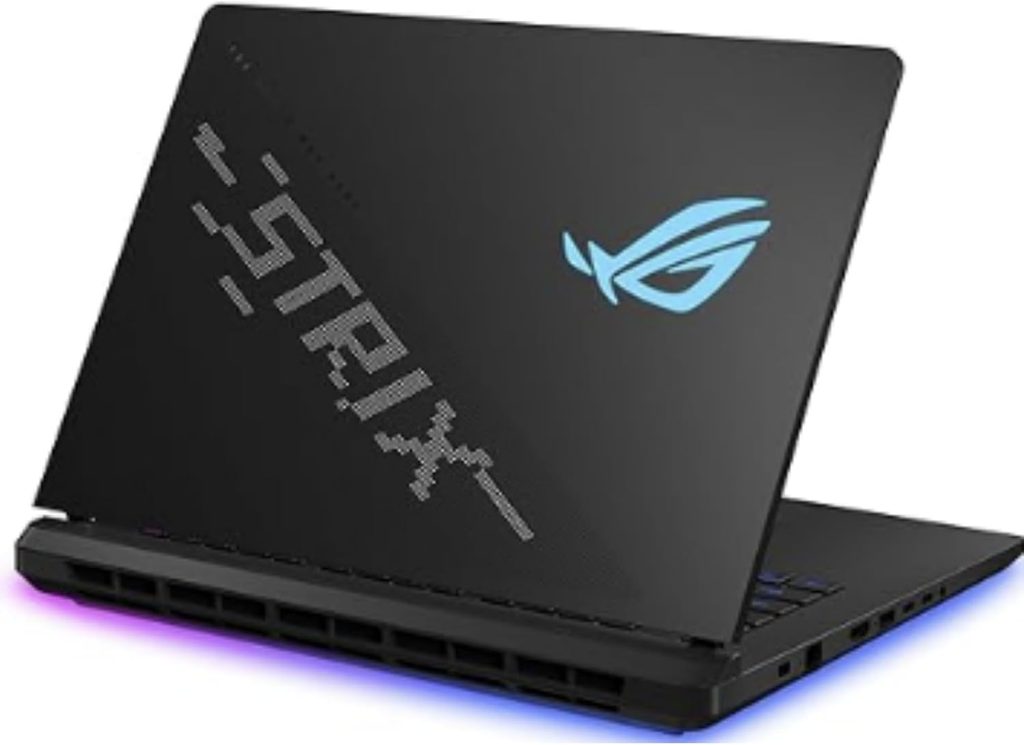
Unusually cool keyboard deck and restrained fan noise; comfortable for long sessions.
During peak gaming, a laptop’s keyboard deck can hit uncomfortable temperatures, yet the ASUS ROG Strix SCAR 16 maintains an unusually cool surface. This 16-inch high-performance gaming laptop manages to keep its vital touchpoints comfortable, a feat many competitors fail spectacularly at. Its fan noise remains relatively restrained, so constant jet-engine sounds stay absent from your desk.
Long sessions remain comfortable, a welcome change from devices that feel like holding a flaming hot Cheeto after an hour. While the Lenovo Legion Pro 7i might squeeze out slightly higher peak performance, the SCAR 16 often delivers a more ergonomic experience when prices are similar. ASUS positions its 2026 SCAR lineup around high-end Intel Core Ultra processors and NVIDIA GeForce RTX laptop GPUs.
18. Lenovo Legion Pro 7i
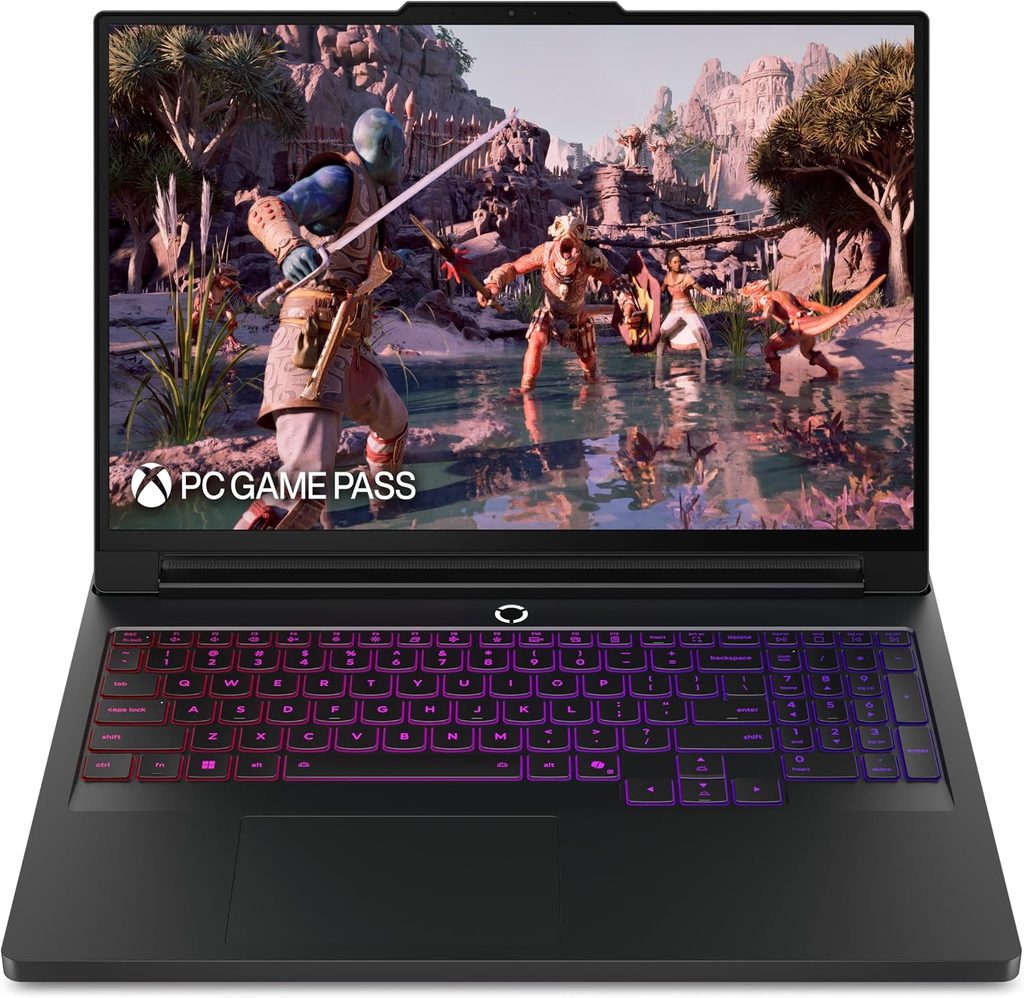
Top-tier Intel HX performance and high-power GPU; thicker chassis runs warmer.
Lenovo lists the Legion Pro 7i as a premium 16-inch Intel gaming laptop, a machine built to dominate performance benchmarks. Powering this system are Intel HX-class processors paired with high-power graphics configurations, making it a top-tier performer. Configurations can sustain GPUs up to 175 W TGP. For buyers considering a flagship gaming machine, this model offers the kind of processing muscle that handles the most demanding titles and creative applications without breaking a sweat.
That raw power comes with real-world trade-offs. This laptop features a thicker chassis compared to some competitors, and it runs warmer, especially during intense gaming sessions. While it crushes games thoroughly, the user experience can feel less comfortable and hotter on the keyboard deck than, say, an ASUS ROG Strix SCAR. It delivers the performance, but comfortable, cool operation during intense workloads is not its strength.
17. ASUS ROG Zephyrus G16
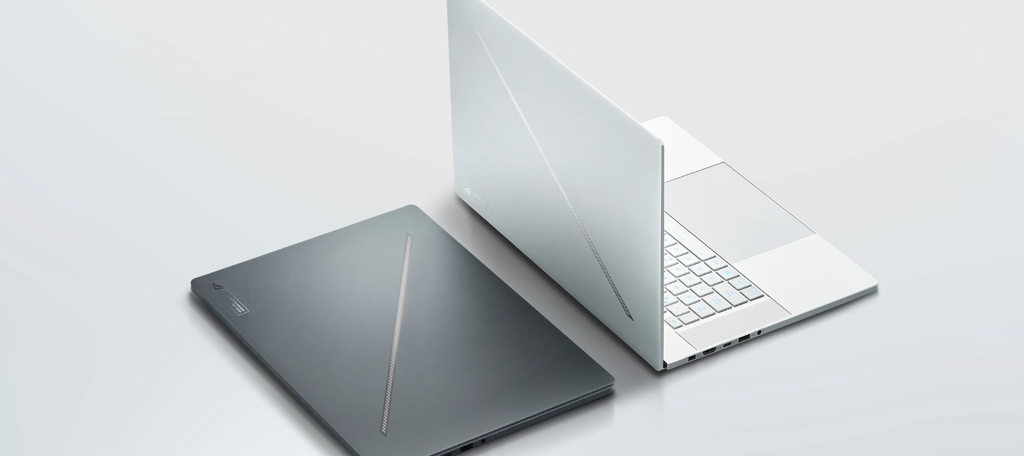
2.5K OLED at 240 Hz with powerful specs; newer models carry significant price increases.
The 2026 ASUS ROG Zephyrus G16 configurations elevate portable performance. It boasts a 2.5K OLED display with a 240 Hz refresh rate. This thin-and-light 16-inch gaming laptop packs Intel Core Ultra 9 processors and NVIDIA GeForce RTX laptop GPUs. It truly serves freelance artists needing serious horsepower for creative applications, delivering a seamless gaming experience in one sleek chassis.
While this machine promises top-tier versatility, its evolution brought significant price increases for newer models. Buyers might find themselves weighing the cost carefully. The blend of a vibrant OLED panel and high-end processing means paying for the privilege. This device capably renders 3D animation and crushes opponents in late-night gaming sessions.
16. MSI Stealth 16
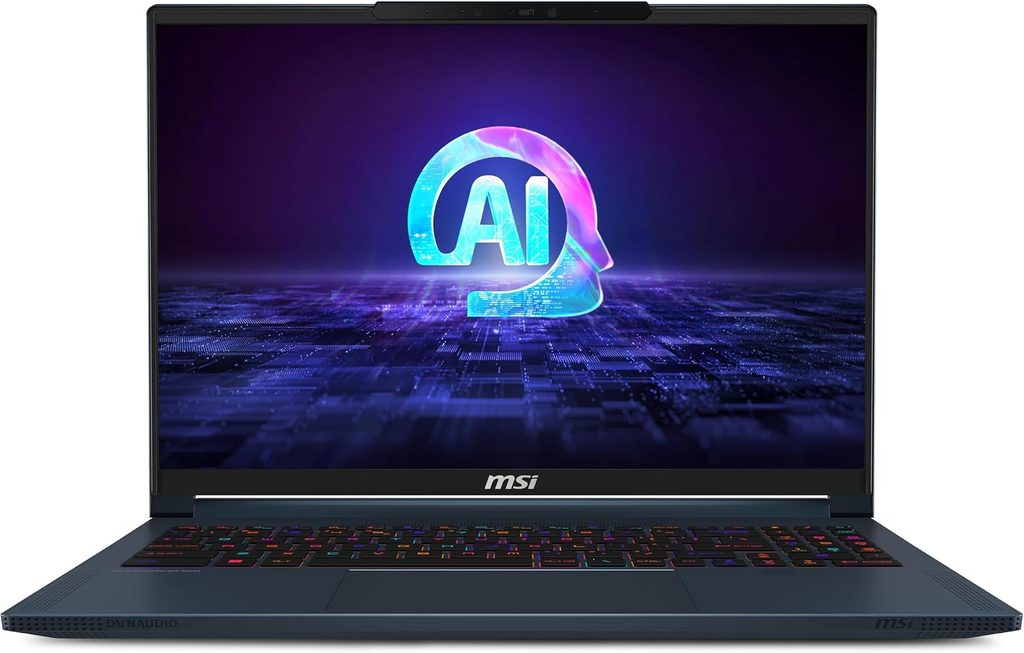
Ethernet and upgradeable RAM in a thin chassis; strong thermals despite reduced GPU wattage.
Delivering robust performance despite its thin chassis, the MSI Stealth 16 offers more than portability. This machine includes Ethernet connectivity and user-upgradeable RAM, features often sacrificed in slimmer models. Its design prioritizes actual utility for solid connections and expandable memory. Even with its GPU power limit around 125 W, which typically constrains thinner systems, this laptop delivers surprisingly strong real-world gaming power.
An improved keyboard and effective thermal management further enhance its appeal. The keyboard deck stays cool during extended sessions, a common drawback in many portable gaming rigs. Available with RTX 5070 and RTX 5080 graphics, this laptop means travelers avoid the performance compromises that plague competing ultraportables.
15. Razer Blade 16
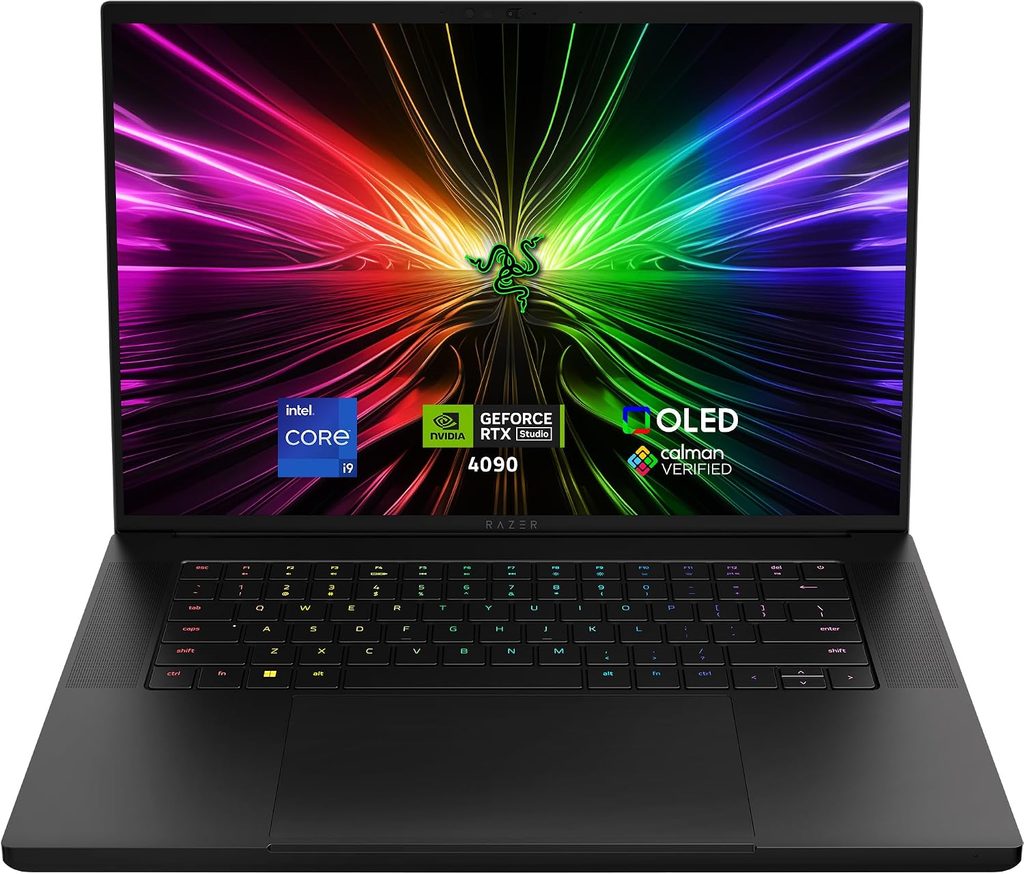
Premium design with 32 GB configurations; RTX 5070 Ti options more price-competitive.
Its higher configurations include 32 GB of memory, immediately setting a standard for serious gaming and creative work. This machine features an attractive design and offers genuine portability. It stands as a truly premium thin gaming laptop. While the ASUS Zephyrus G16 is often considered a safer general recommendation, the Blade 16’s RTX 5070 Ti options are now more price-competitive than in previous years, improving its overall value. This makes it ideal for a gamer who prioritizes sleek aesthetics as much as raw performance.
14. Lenovo Legion 7A 16
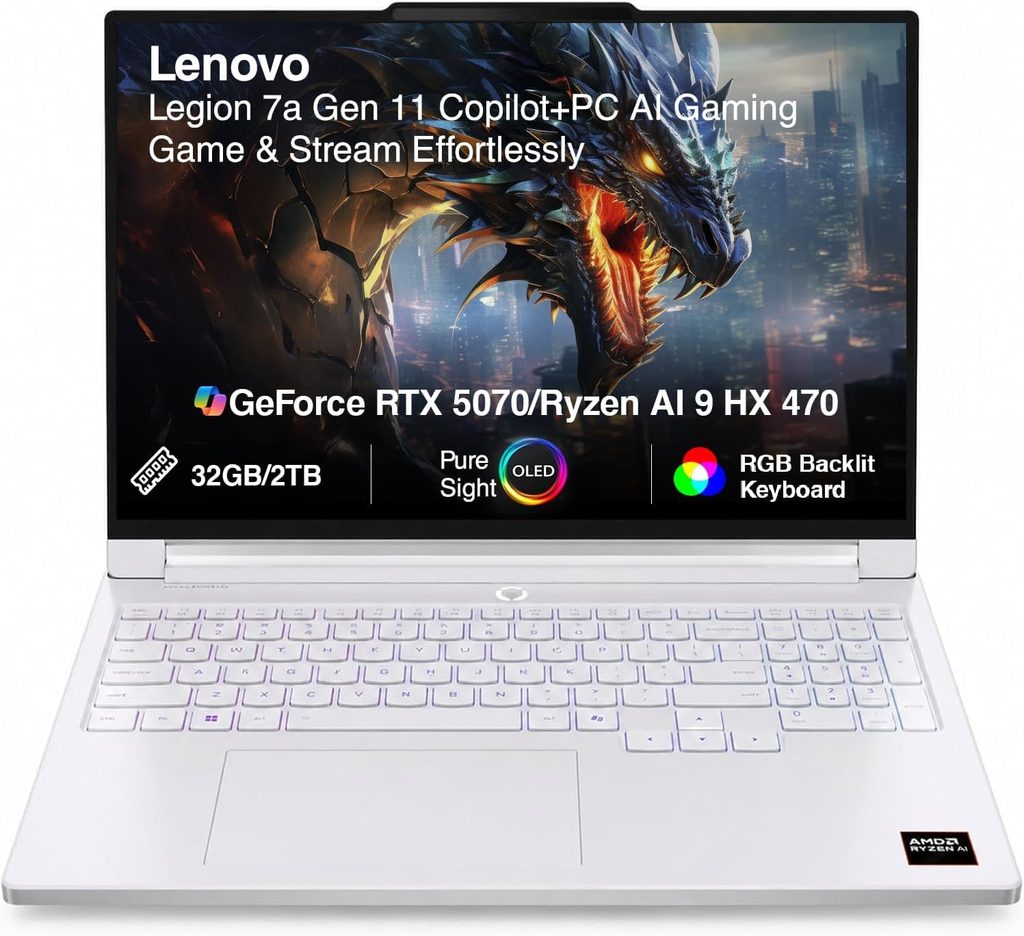
Slimmer AMD-powered design with RTX 5070; launch pricing excessive.
Gaming laptops often resemble concrete blocks, yet the 16-inch Lenovo Legion 7A 16 defies this stereotype with its redesigned form factor. This portable machine, powered by AMD Ryzen technology and NVIDIA graphics, smartly removes the bulky rear protrusion found on previous models. The result is a slimmer profile that slides into a conventional laptop bag with ease, making it a viable option for users prioritizing power without the backpack strain.
This sleek portability, however, initially carried a premium price. RTX 5070 configurations boasting 12 GB of VRAM launched at price points that tested patience. Build quality has been noted as slightly less robust compared to the 2025 Legion 7i, leaving questions about whether that portability justified the cost and the subtle compromises.
13. Eon 15S
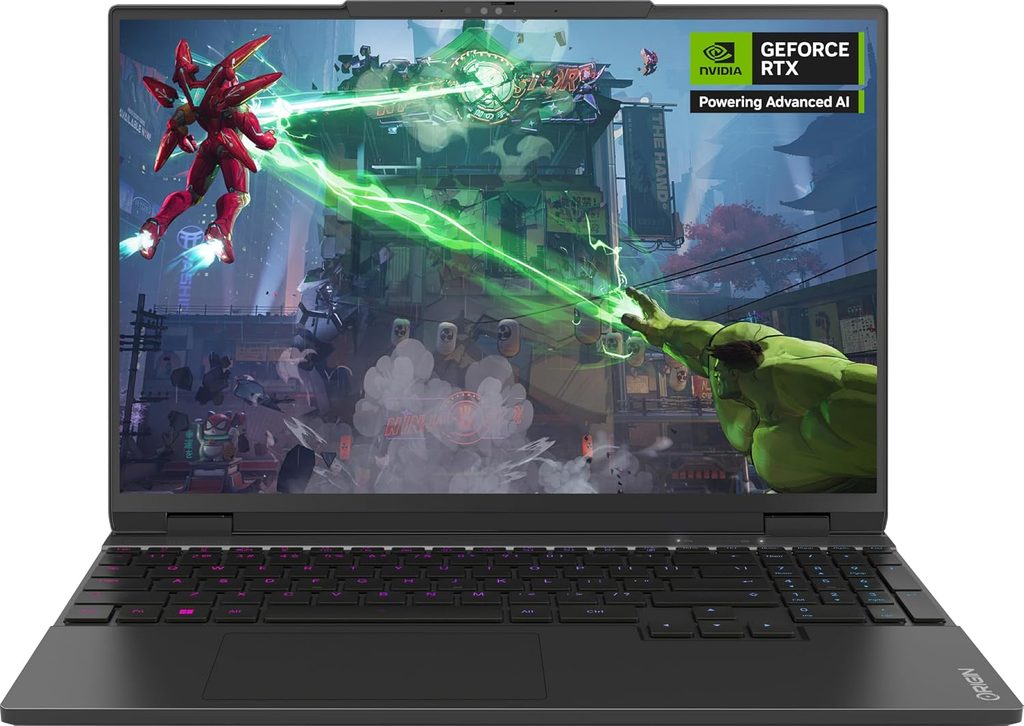
Portable with Intel Panther Lake; loud fans during light use favor the quieter Legion 7A.
The Eon 15S, featuring a newer Intel Panther Lake processor, delivers impressive portability for a gaming laptop. This thin machine acts as a sleek alternative to models like the Legion 7A, sliding into bags without that “brick” feeling. While its design makes it perfect for gaming in transit, the fans frequently rev up to an unwelcome serenade, even during light use. This noise becomes a genuine problem in shared spaces like libraries or apartments, making the Legion 7A’s quieter performance in everyday tasks a significant advantage.
12. ASUS ROG Zephyrus G14
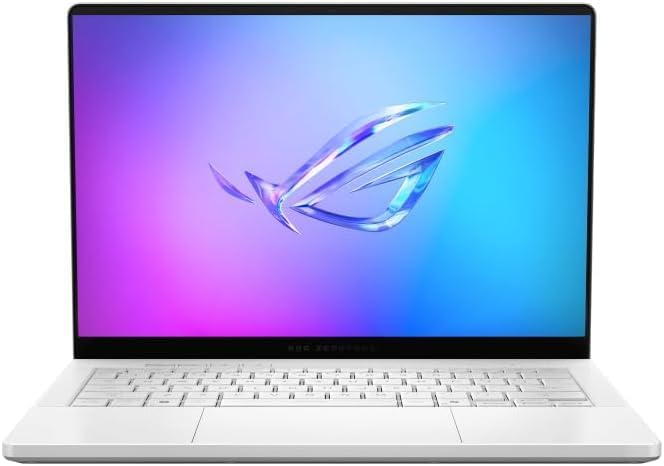
14-inch 3K OLED leader; cooler, more efficient, longer battery life than predecessors.
A 14-inch 3K 120 Hz OLED display sets a new visual standard with the 2026 ASUS ROG Zephyrus G14. This re-engineered machine firmly leads the compact gaming laptop category. It runs significantly cooler than its predecessors; anyone who has endured a hot laptop on their lap knows the value. Its improved power efficiency delivers longer battery life and a consistent feed to its GPU.
This isn’t just theoretical improvement. The AMD Ryzen processor, alongside NVIDIA GeForce RTX graphics options, truly leverages this refined cooling and power delivery. It avoids thermal bottlenecks common in thin gaming systems, providing sustained performance without feeling like it’s melting.
11. Razer Blade 14
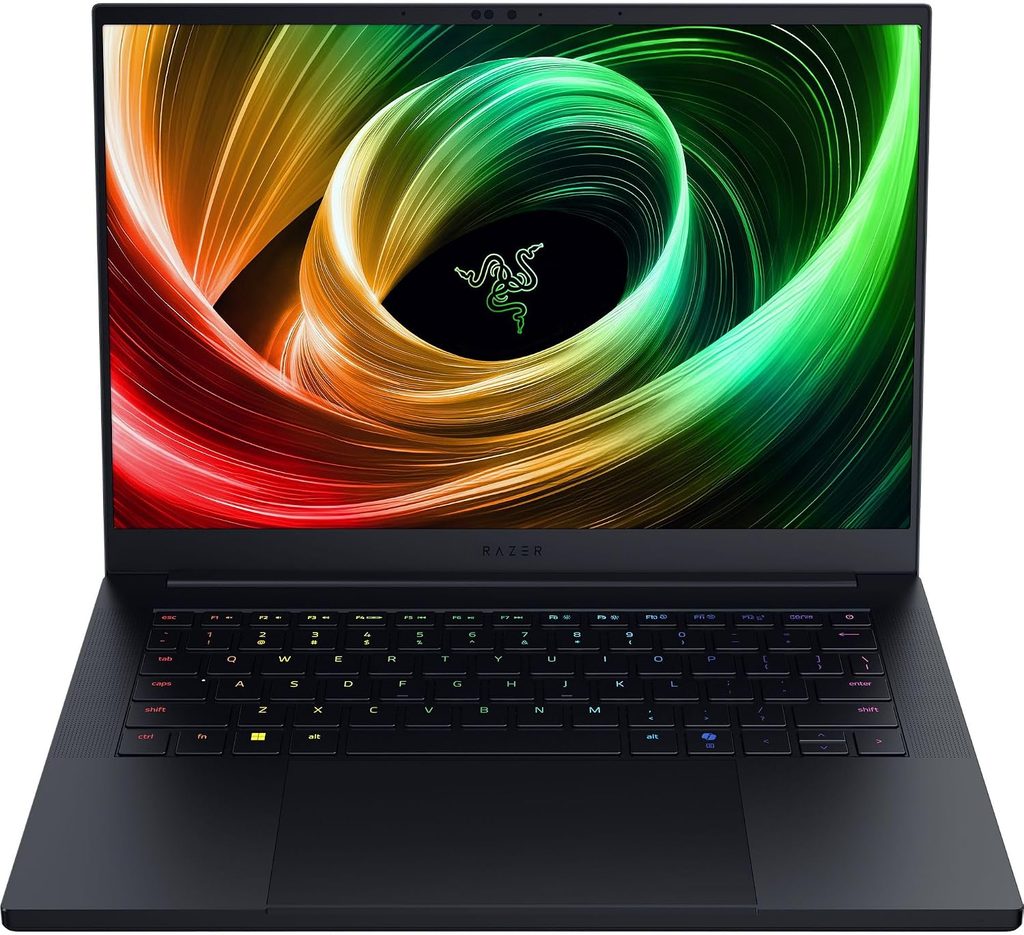
Slim premium 14-inch option; runs hot during gaming, firm keyboard, limited availability.
Slipping the 14-inch Razer Blade into your backpack feels like carrying a sleek, dark secret, not a gaming rig. Despite Razer not releasing a new model for 2026, its prior iteration remains a compact premium gaming laptop with enduring appeal. Many users consider it a personal favorite for its slim form factor, a rare gem in a market overflowing with bulky alternatives.
During intense gaming, however, the chassis can run hot. The keyboard, while firm under your fingers, offers a distinct, satisfying click that some prefer to softer alternatives. This balance of premium design against practical thermal limits is a trade-off many accept for its sleek profile. Limited availability means finding this specific model can prove challenging.
10. Acer Predator Triton 14
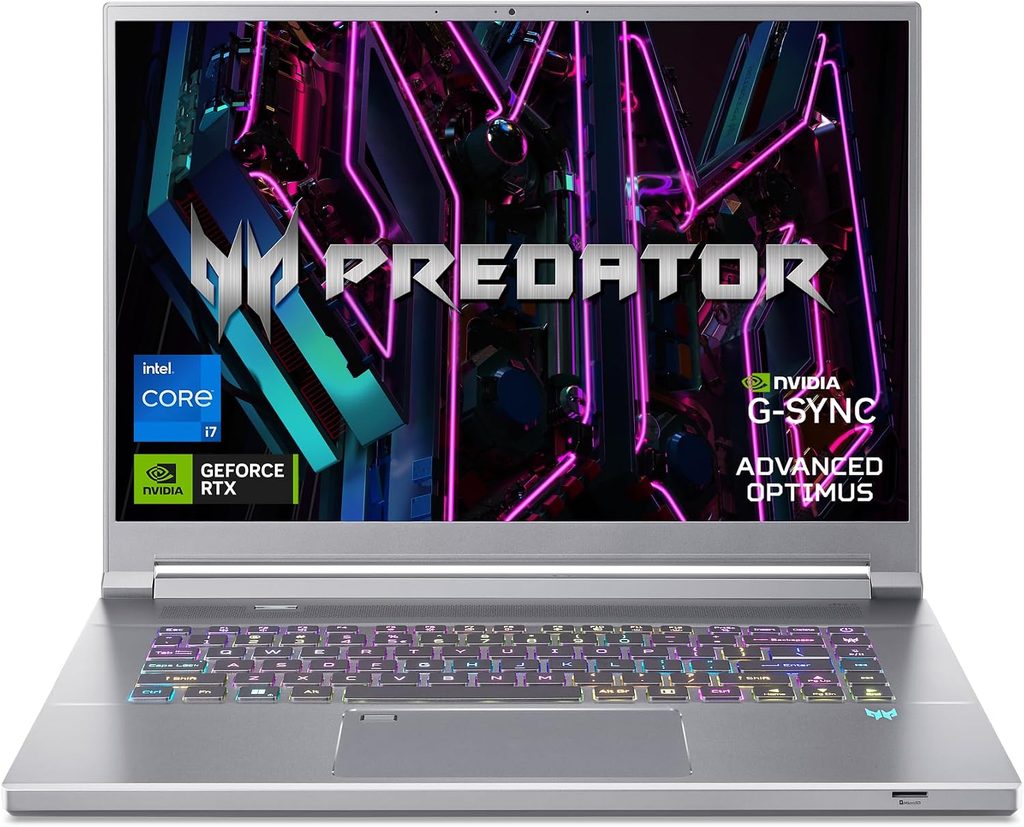
High price and Intel Core Ultra 7 288V limit gaming performance versus the G14.
Not every compact gaming laptop delivers bang for your buck; some just demand more. The Acer Predator Triton 14, a 14-inch machine, carries a price tag that feels like it is trying to punch above its weight class, immediately making buyers question its overall value. For that cost, a truly premium experience is expected, not just a smaller footprint.
Under the hood, the Intel Core Ultra 7 288V “Lunar Lake” processor, while capable in certain workloads, can limit gaming performance. This makes the Triton 14 less compelling than something like the ASUS ROG Zephyrus G14, which genuinely maximizes its small chassis. Expectations end up misaligned, searching for promised performance in a compact package.
9. ASUS TUF Gaming A14
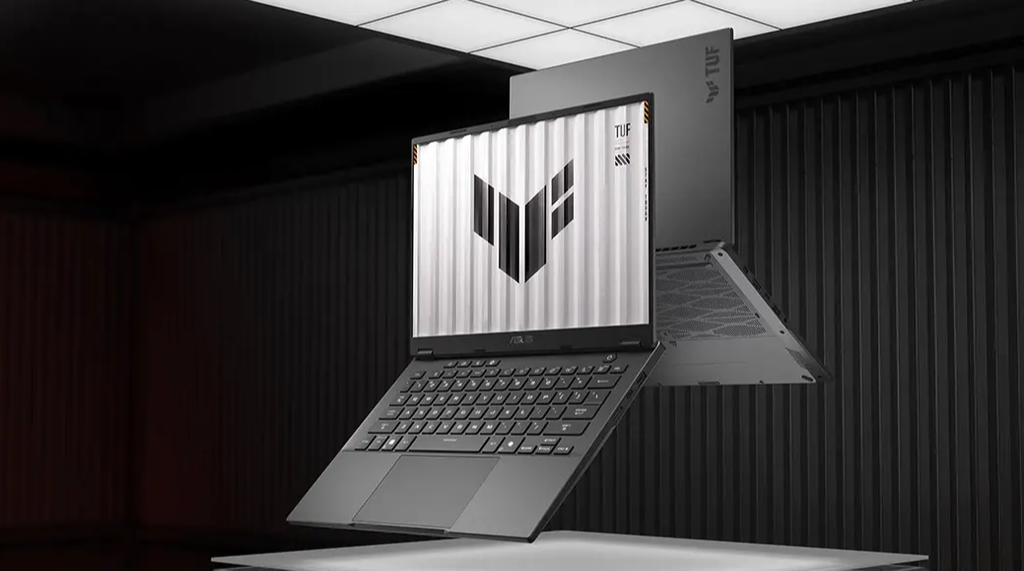
Budget 14-inch option; NVIDIA-based configurations favored over AMD Ryzen AI for gaming.
Targeting the budget-conscious gamer, the ASUS TUF Gaming A14 offers a compact footprint at a more accessible price point. This laptop, part of ASUS’s more affordable TUF line, features AMD Ryzen AI processor options. For dedicated gaming performance, however, NVIDIA-based configurations within this model family deliver more consistent frame rates in demanding titles.
While AMD APUs handle casual titles, serious enthusiasts recognize a dedicated NVIDIA GPU provides the horsepower for modern AAA games. This strategic choice positions the A14 as a compelling, lower-cost competitor to the pricier Zephyrus G14. Solid performance without the premium tag is the pragmatic approach here.
8. Lenovo Legion 9
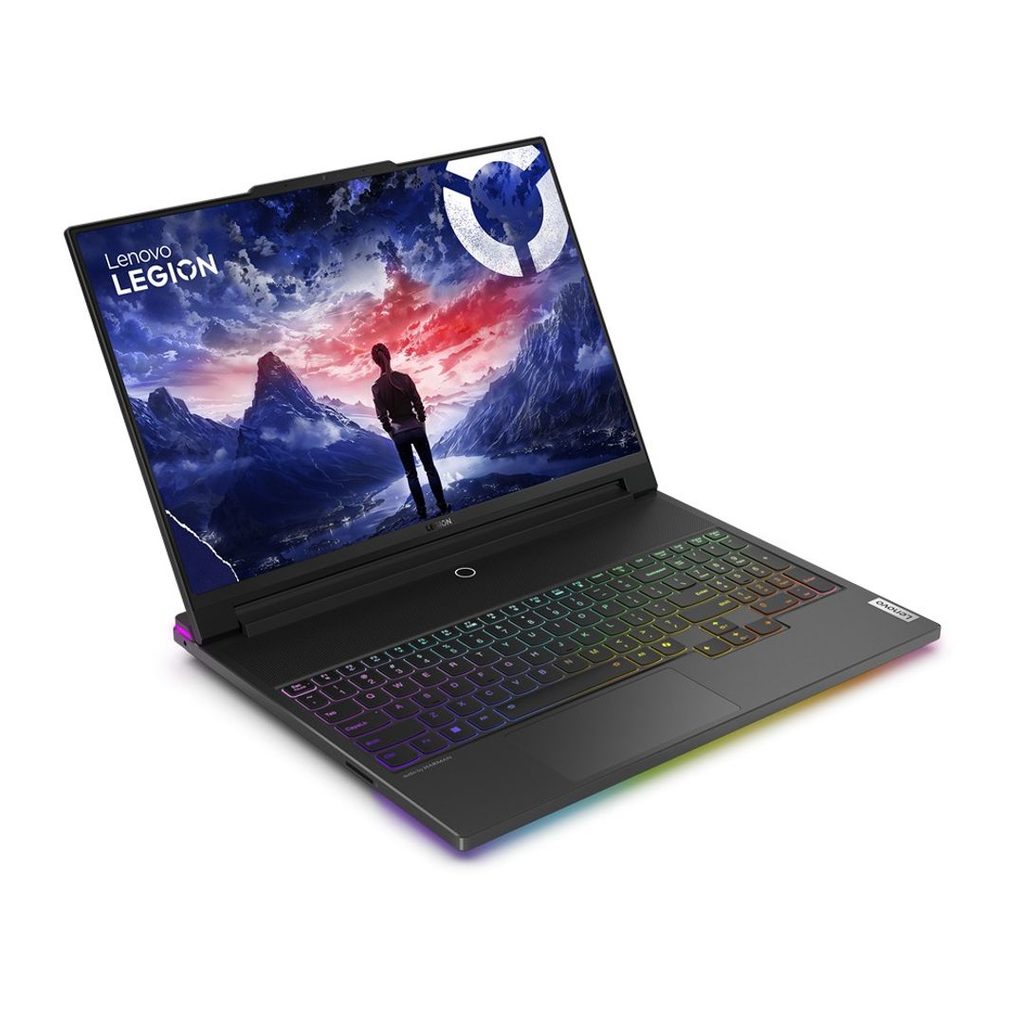
Flagship 18-inch with strong performance and high-resolution display; warm left palm rest.
The Lenovo Legion 9, an 18-inch flagship gaming laptop, stands out as a strong large-screen option, celebrated for its robust performance and a vivid, high-resolution display. This machine delivers impressive power for demanding titles and creative applications. However, its appeal dims during extended sessions when the left palm rest becomes uncomfortably warm, making prolonged use feel less comfortable. This single ergonomic flaw detracts from an otherwise excellent experience.
7. Alienware 18 Area-51
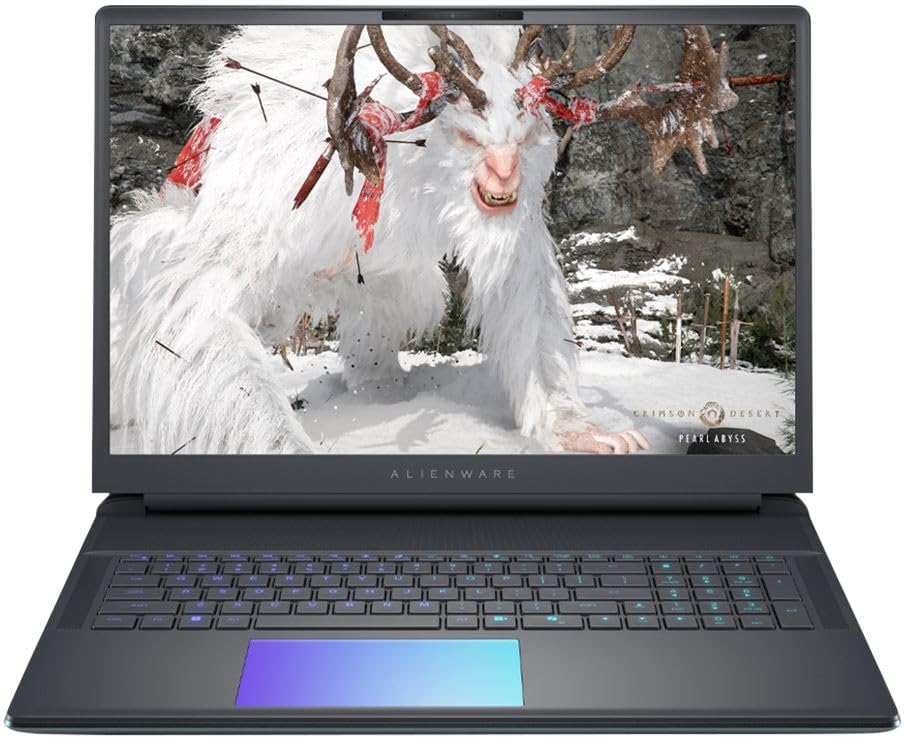
Curved “pillow” edge improves wrist comfort; cooler than Alienware 16 but sacrifices some performance.
Many large gaming laptops, now reaching 18 inches in display size, often forget actual ergonomics. The Alienware 18 Area-51 addresses this with a curved front “pillow” edge, specifically designed to improve wrist comfort. This choice significantly reduces strain during long sessions, a clear advantage over boxier, thicker laptops that often dig into forearms.
It also manages heat well, producing less heat than the Alienware 16, which means cooler palms. While offering comfort superior to many competing 18-inch systems, it may sacrifice some performance and display resolution compared to the Legion 9. This machine stands as a case study for thoughtful design in a brute-force category.
6. ASUS ROG Strix SCAR 18
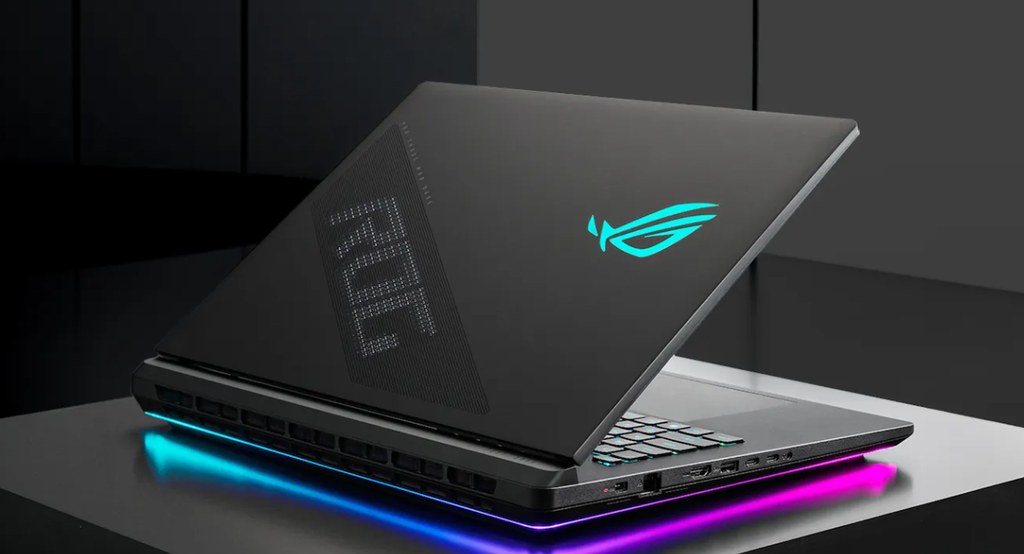
Improved cooling sustains high CPU power; Mini LED 4K 240 Hz ROG Nebula HDR display.
Moving to an 18-inch display on a gaming laptop often feels like upgrading from a studio apartment to a penthouse. The ASUS ROG Strix SCAR 18, particularly its 2026 configurations, is one of the most improved models. It packs an Intel Core Ultra 9 290HX Plus processor and NVIDIA GeForce RTX graphics, with robust cooling that keeps the keyboard deck remarkably cool.
Its new Mini LED display features extra-low-motion-blur technology and a stunning 4K 240 Hz ROG Nebula HDR panel, serving visuals sharper than a fresh insult from a late-night host. This machine gives uncompromised power and a truly immersive experience, ensuring every pixel pops.
5. MSI Titan 18
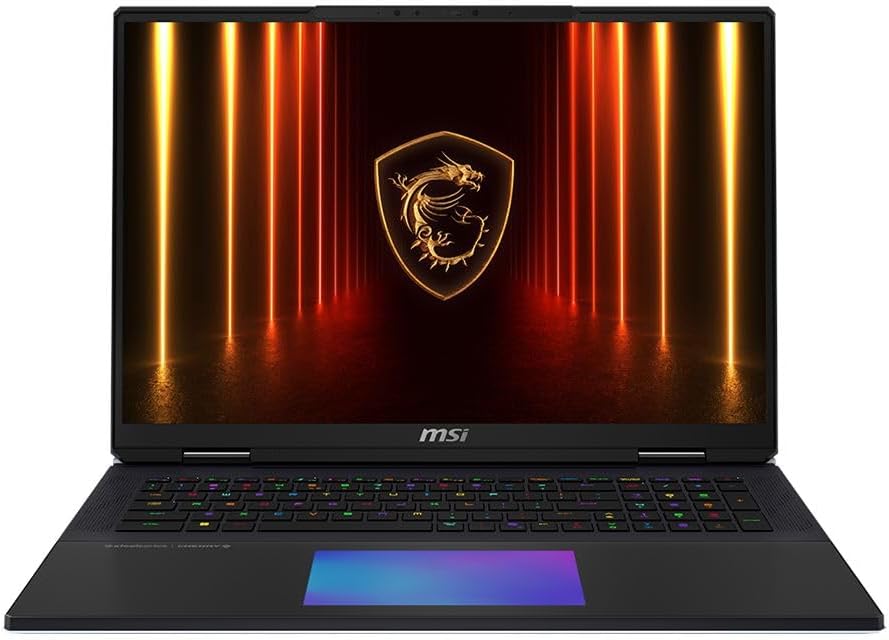
$5,000+ flagship with hot keyboard, very loud fans, and problematic haptic touchpad.
The MSI Titan 18 delivers a 4K display that looks good, but the user experience quickly devolves into frustration. The keyboard deck runs hot, fans scream like a jet engine, and the haptic touchpad is prone to double-clicking or simply disappearing into the chassis. Anyone who has dropped serious cash on high-end tech expects a refined product, not a battle against basic functionality. Despite its considerable cost, this system ranks among the least recommended gaming laptop choices available.
4. Acer Predator Helios 18
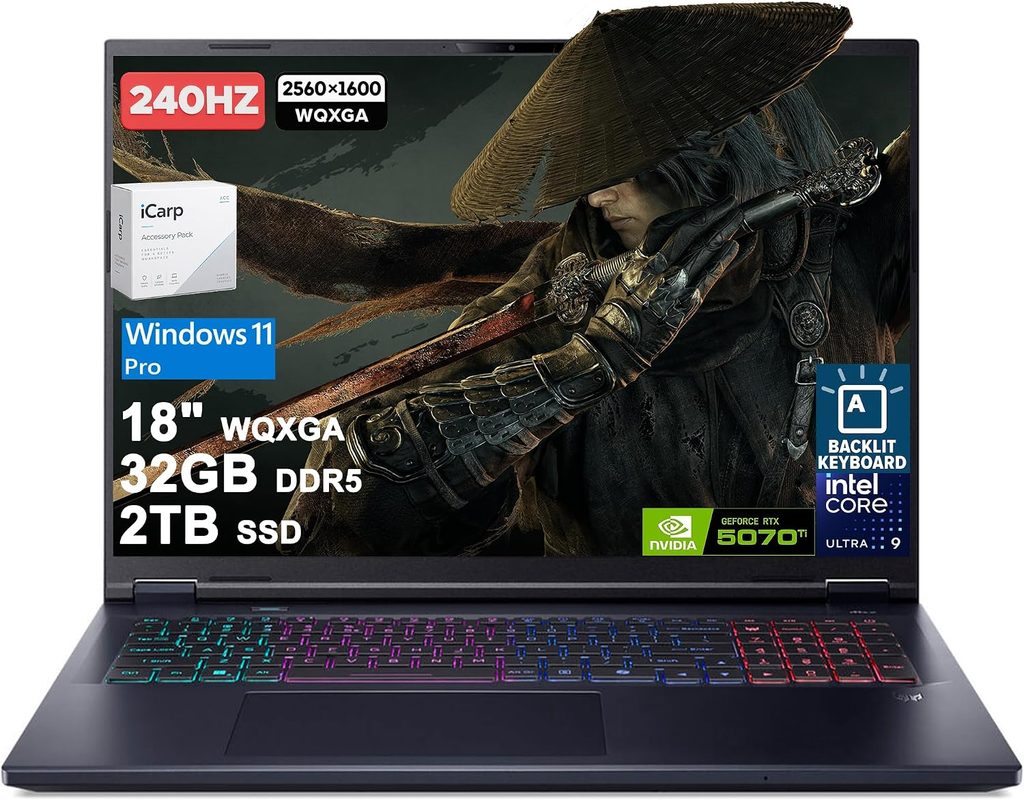
Excessive fan noise in performance mode; quieter modes reduce frame consistency.
During its highest-performance mode, the Acer Predator Helios 18 becomes notably loud. Despite its sizable 18-inch frame, designed for top-tier gaming, this machine struggles to outperform some of its competing systems. The exhaust drowns out the performance advantage, and benchmark results fall short of expectations for this class.
Quieter power modes do reduce the noise, but at a significant cost to performance. Frame consistency suffers, particularly in minimum frame rates, leaving a choppy experience when silence is preferred. This trade-off forces a choice between a peaceful computing experience and a fluid gaming one.
3. Gigabyte AORUS Master Gen 2
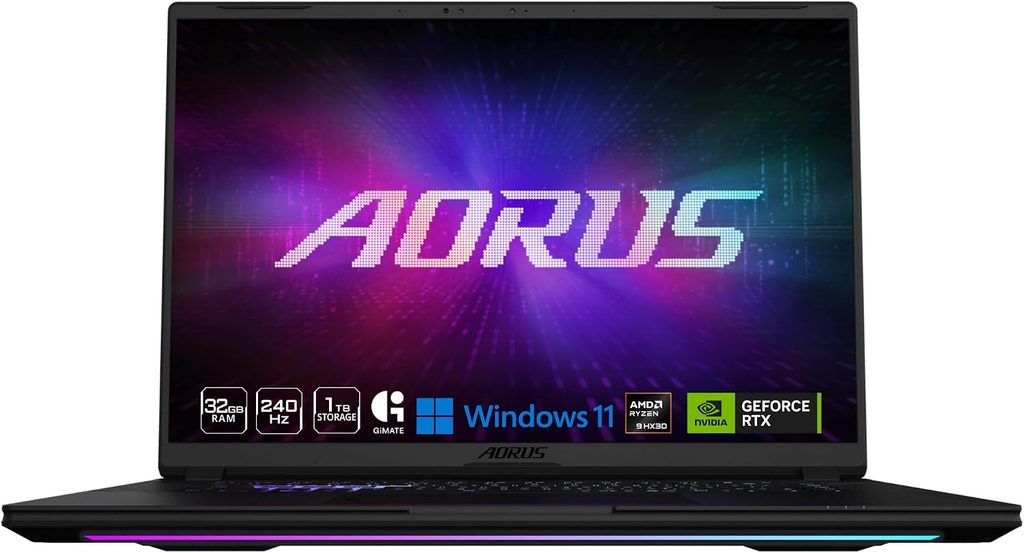
AMD Ryzen 9 9955HX3D with extreme fan noise, poor battery life, and PCIe Gen 4 GPU default.
A high-spec machine should elevate the experience, but the Gigabyte AORUS Master Gen 2 forces unnecessary compromises. Its fans roar under load, transforming any gaming session into a noisy ordeal. Despite packing AMD Ryzen 9 9955HX3D processors and NVIDIA graphics, battery life is abysmal, tethering users to an outlet. Quiet power modes also drastically reduce frame minimums, making performance wildly inconsistent.
Anyone who has fought with obscure settings knows the frustration this machine presents. An optimized system is expected, yet the GPU defaults to PCIe Gen 4 in the BIOS. This requires a manual BIOS tweak to unlock its full potential, a bizarre oversight for a premium device. This lack of polish makes the AORUS Master Gen 2 a regrettable choice despite its powerful hardware.
2. Acer Nitro V15
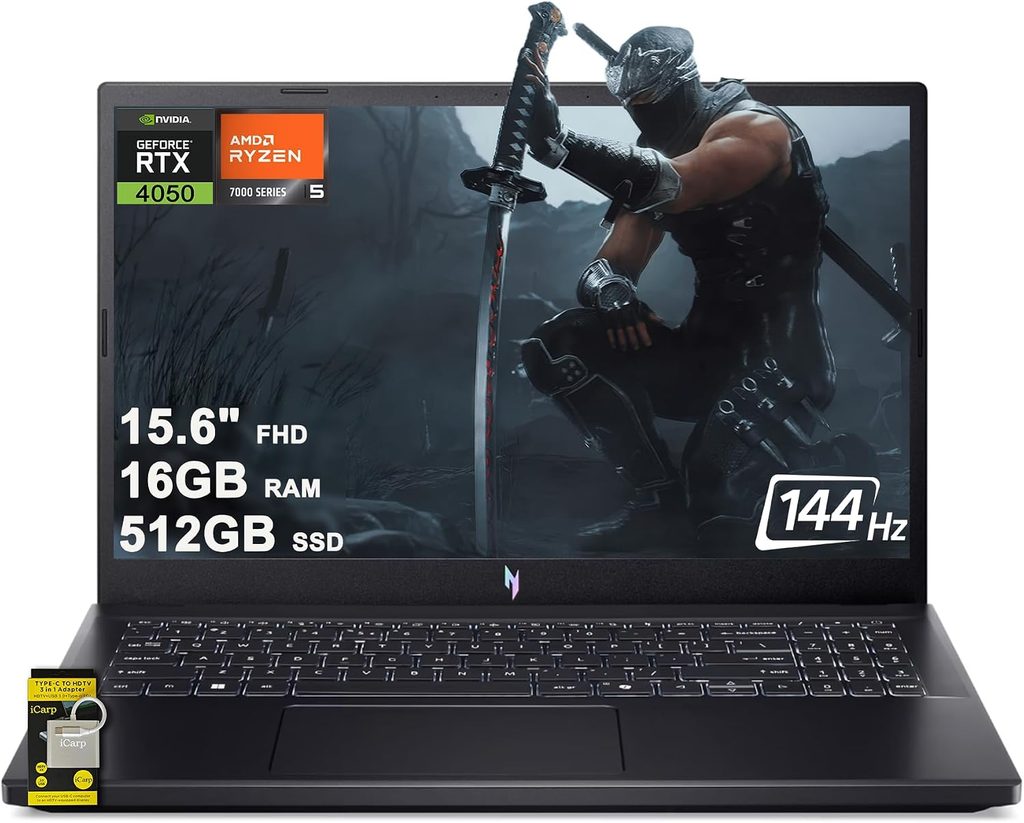
Budget 15-inch target with severe fan noise; disqualifies it despite low cost.
Severe fan noise quickly makes the Acer Nitro V15 a non-starter. This 15-inch gaming laptop targets students and budget buyers, attempting to deliver entry-level performance without emptying wallets. However, its compact design and modest internal components fail to prevent a constant, high-pitched whine. This noise easily cuts through any quiet space. Concentration becomes a near impossibility.
For a machine designed for quiet study and casual play, this relentless auditory assault transforms its affordable price into a poor trade-off. A reasonable performance-to-noise ratio is expected. The Nitro V15 delivers the sonic equivalent of a persistent leaf blower. Such intrusive operation fundamentally disqualifies it as a serious recommendation, regardless of its low cost.
1. HP Omen Max
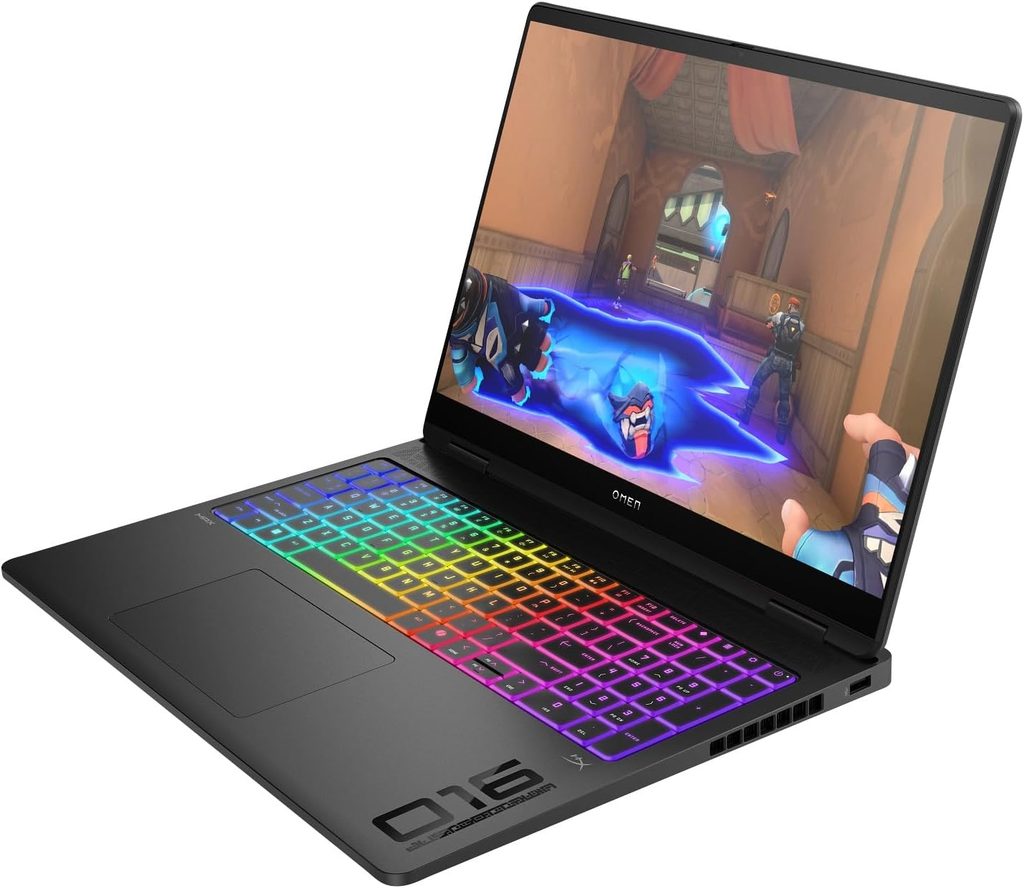
RTX 5080 configurations at competitive prices; strong value as competitors increase pricing.
Recent pricing trends show that a premium GPU no longer guarantees a premium price tag across the board. HP’s Omen Max, a higher-performance member of their Omen lineup, now offers RTX 5080 configurations at unusually competitive prices. This strategic pricing helps HP gain value-oriented appeal, especially as competing systems from brands like ASUS and Lenovo become more expensive.
For savvy buyers looking to maximize performance without draining their savings, the Omen Max presents a compelling option. Exact configurations vary by market, but the underlying value proposition remains consistent, offering serious gaming horsepower without the usual financial gut punch.