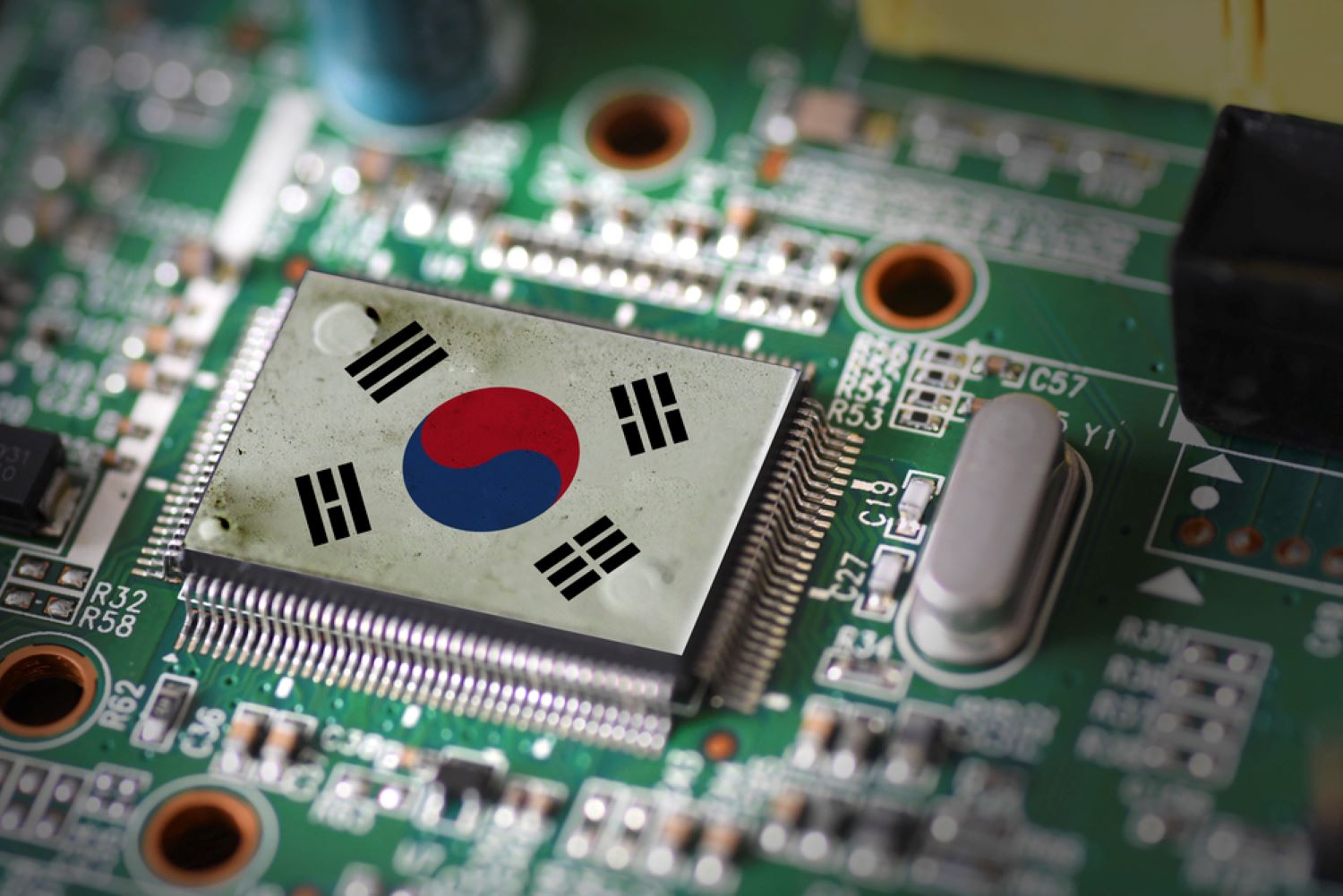
Six months ago, South Korea’s stock market was the AI trade’s favorite address. Samsung Electronics and SK Hynix rode memory-chip demand like a wave that would never break. Foreign money poured in. Retail traders piled on with leveraged products. Then the wave broke. What followed wasn’t an economic crisis — it was a concentrated bet unwinding at speed, like everyone rushing the same emergency exit at a sold-out venue.
Two Stocks, One Index, Zero Cushion
The KOSPI’s structural problem was hiding in plain sight: two chipmakers carrying an entire benchmark with no cushion beneath them.
Samsung and SK Hynix account for an outsized share of the benchmark’s weight, according to Business Standard and other market reports. When those two names sneeze, the entire index catches pneumonia. Here’s what hit at once:
- Foreign investors sold aggressively, contributing to the steepest monthly declines in years and pressuring the won, according to Reuters.
- SK Hynix posted an earnings miss that accelerated the downturn, per Yahoo Finance.
- South Korea’s regulator had approved leveraged single-stock ETFs, then reportedly warned the government may have moved too quickly after volatility spiked, according to Reuters.
- China’s growing chip competition now threatens to commoditize lower-end memory markets, adding structural risk to the long-term thesis.
- Record margin borrowing turned an orderly correction into forced liquidations.
“Chipmaker volatility intensified amid AI worries and concerns about a slowdown in memory-price growth,” Reuters reported, capturing the mood shift from euphoria to doubt.
Leveraged Products Turned a Correction Into a Rout
Retail instruments designed to amplify gains proved equally efficient at amplifying losses — and regulators noticed too late.
Think of it as the financial equivalent of buying concert tickets on margin — then the tour gets cancelled. Yahoo Finance described the selloff as a collision of “record leverage, an AI trade unwind, China chip competition, and tightening policy plus outflows.” Retail traders who used leveraged ETFs to amplify gains discovered those same products amplify losses with equal enthusiasm.
The regulator’s belated warning suggests even officials recognized the policy moved faster than the guardrails around it.
Three Signals Worth Watching
The core question remains unresolved, and three data points will answer it faster than any headline.
Has memory-chip pricing peaked, or is this a breather? The answer hinges on three signals:
- Samsung and SK Hynix earnings guidance for demand indicators
- DRAM and HBM pricing trends through the next quarter
- Whether foreign fund flows stabilize or keep heading for the door
Watch those numbers closely. They will tell you whether the AI chip boom still has room to run or whether the market just priced in the ending.