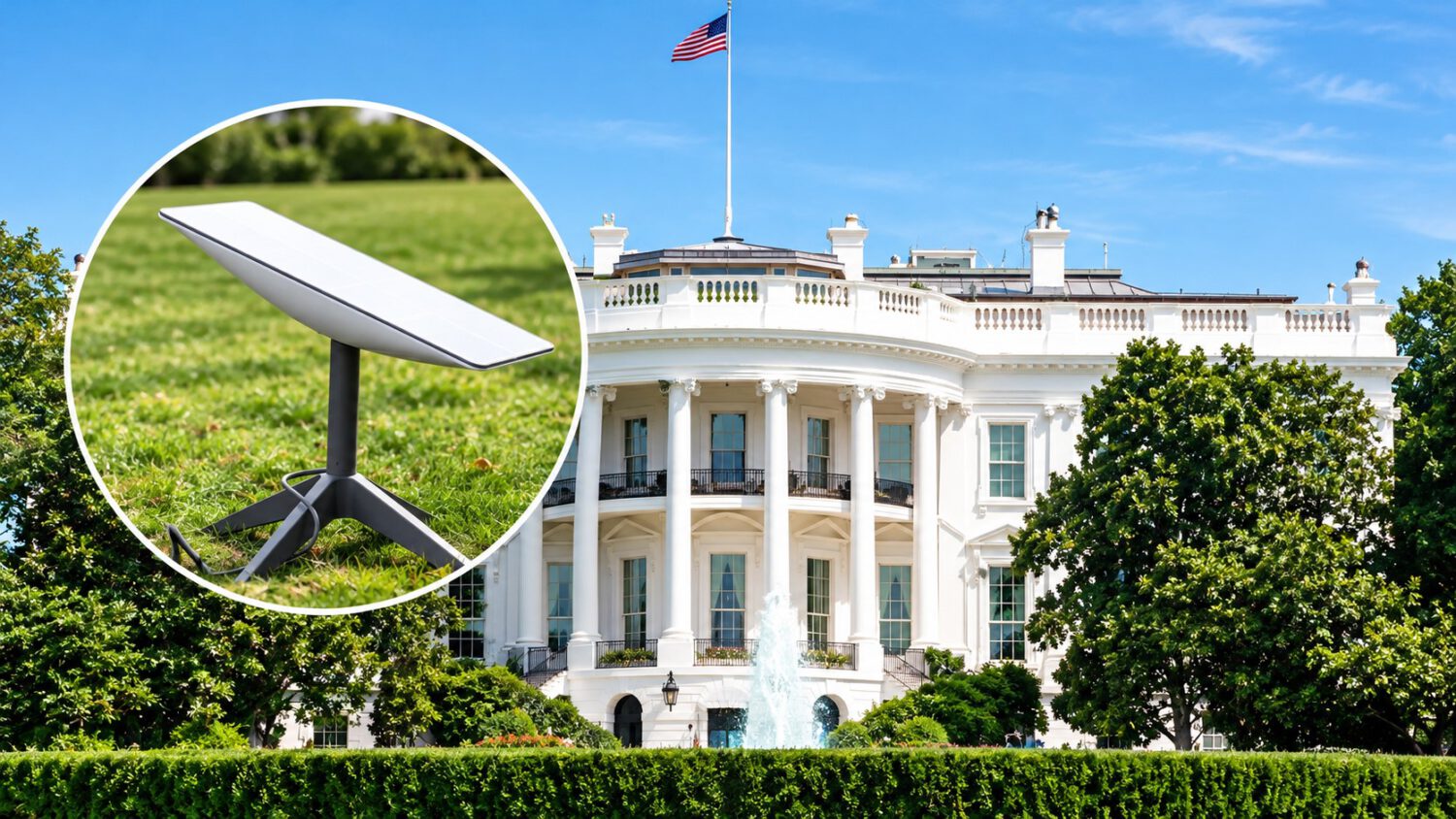
While a senior U.S. official denies the president ordered it, two U.S. officials and a Western official briefed on the matter told Reuters that the instruction to throttle Starshield service for Ukraine’s military drones originated inside the White House. Defense Department leaders separately received word that the surveillance app-era precedent of using tech infrastructure for political ends was now playing out in a wartime satellite context, according to Reuters.
Starshield is not the same product Ukrainian civilians and soldiers use on commercial Starlink terminals. It is the government and national-security version of the same satellite constellation, built for U.S. Department of Defense and other government and national-security customers. The Pentagon is Starshield’s largest customer and has spent billions of dollars on Starlink and Starshield services combined, according to Reuters.
What the Restriction Actually Did
A reported speed cap disrupted Ukrainian drone operations across both strike and interception missions.
Ukrainian officials said military-grade Starshield terminals mounted on fast-moving drones became unreliable or stopped functioning during motion. Ukraine’s Defence Ministry said connectivity held up to approximately 100 miles per hour, or 160 kilometers per hour. Other operational reports described connection losses at lower speeds, though those accounts have not been independently verified.
Reuters reported that the operational consequences extended across both offensive and defensive missions, according to Ukrainian officials. Disrupted satellite guidance complicated strike operations against Russian forces and logistics targets in occupied territory, and the same limitation slowed interceptor drones used to shoot down incoming Russian Shahed drones over Ukrainian airspace.
Who Gave the Order, and Who Is Denying It
Three sources point to the White House; one senior official says the president never made the request.
Two U.S. officials and a Western official briefed on the matter told Reuters the instruction originated inside the White House. Defense Department leaders separately received word that the service needed to be slowed, according to Reuters. The sources did not identify the specific White House official who made the decision, nor the person responsible for implementing it.
A senior U.S. official denied any presidential involvement, saying, according to Reuters: “No such request was ever made by the president.” Reuters reported both accounts without resolving the contradiction, because neither side has been identified by name.
As reported by Reuters, Elon Musk said Starshield systems are owned and controlled by the U.S. government, and that speed or usage limits are decisions for the U.S. military or the president. SpaceX did not respond to Reuters’ request for comment, and neither the Pentagon nor the Ukrainian embassy in Washington provided a response.
The Political Backdrop
The reported restriction arrived during a sharp and documented deterioration in U.S.–Ukraine relations.
Reuters reported the restriction came during a period of visible friction between Washington and Kyiv. The Trump administration had been pressuring Ukraine to stop attacking Russian oil refineries, with Trump linking those strikes to higher energy prices and potential damage to Republican electoral prospects ahead of November midterm elections, according to Reuters.
Reuters also reported that relations between the two governments had deteriorated following an October 9 meeting involving U.S., Ukrainian, European, and World Bank representatives. The broader dispute encompassed disagreements over intelligence sharing, a reported diesel arrangement involving Russia, and the refinery strike policy at the center of Washington’s complaints.
What This Reveals About Satellite Dependency
The episode makes concrete a vulnerability that many defense analysts had previously treated as theoretical.
Reuters reported the restriction arrived as Ukraine’s military used Starshield-linked infrastructure for both offensive drone operations and defensive interception missions. Access to satellite communications in a war zone can apparently be conditioned or restricted by contractual and political decisions that have nothing to do with signal coverage or hardware performance.
The available reporting does not establish conclusively whether the restriction was a deliberate policy decision, a technical configuration change, or an order transmitted through an unclear chain of command. Those competing explanations remain open; the sources Reuters cited did not resolve them.
Questions raised by the episode extend beyond Ukraine: who holds accountability when a privately built but government-controlled satellite network shapes military outcomes, what contract terms govern wartime service continuity, and whether commercial space companies can remain operationally neutral once their infrastructure is embedded in national-security programs controlled by government customers.