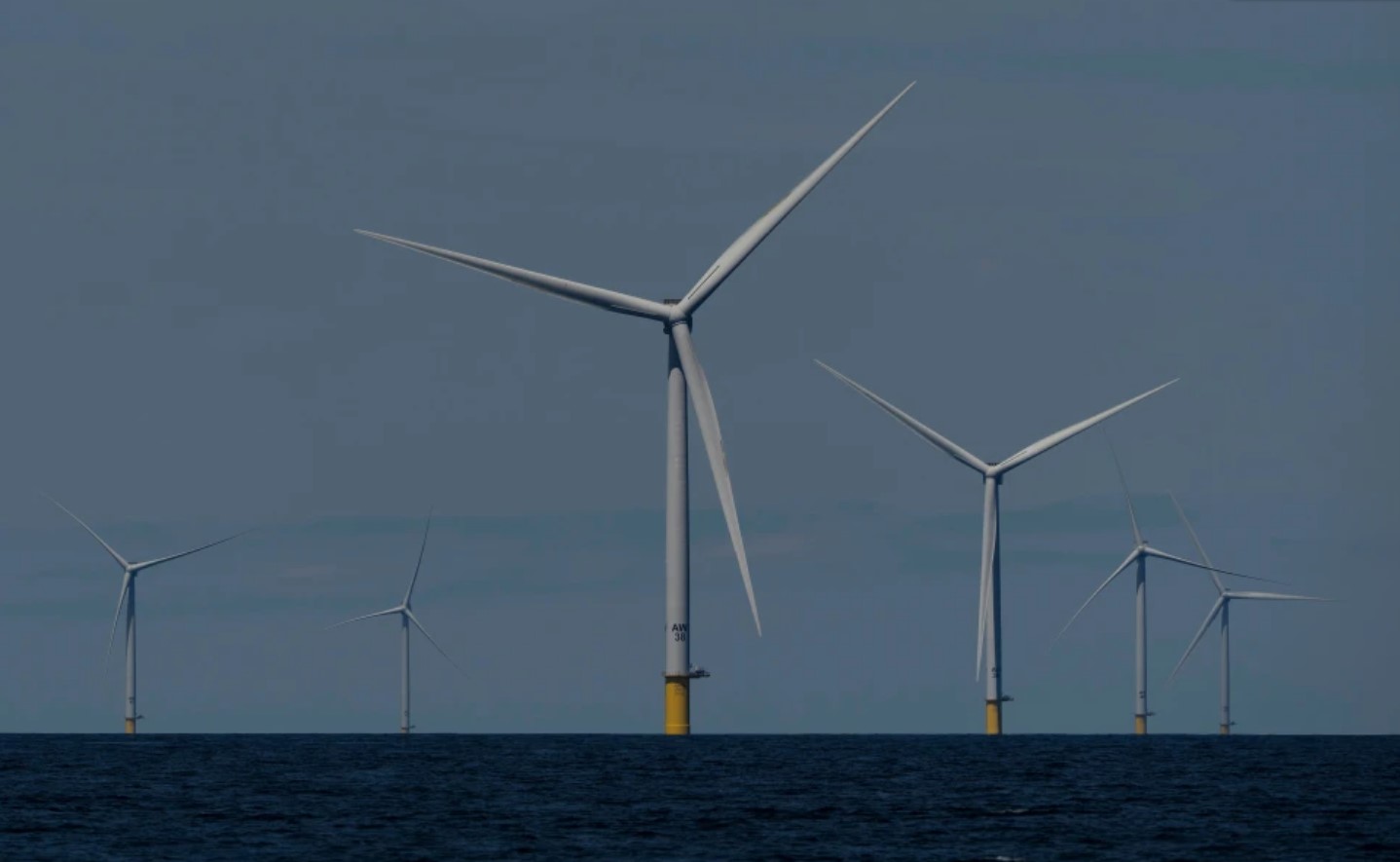
Paying someone $1.22 billion to walk away from clean energy projects sounds like satire. It’s not. German utility RWE just agreed to surrender three offshore wind leases — off New York, California, and Louisiana — in exchange for a settlement that brings the Trump administration’s total buyout tab to roughly $4 billion, according to Bloomberg. These aren’t regulatory slowdowns or permitting disputes. This is energy policy conducted with a checkbook.
Cash Out, Drill On
RWE’s settlement isn’t just an exit — it’s a fossil fuel on-ramp.
The RWE deal, reported at $1.22 billion by Reuters, covers projects still in early development. None were expected to generate power until the 2030s. RWE acknowledged the projects weren’t moving forward “for the foreseeable future,” according to Reuters. The leases are dead. The money, however, is very much alive.
Here’s where it gets pointed. RWE is funneling $900 million of that capital into a 16% stake in a Louisiana LNG project, with additional spending earmarked for natural gas power plants, Reuters reported. That’s like a streaming service canceling your favorite show mid-season and using the budget to greenlight another reality TV spinoff nobody asked for. The capital isn’t vanishing — it’s changing jerseys. That’s not a coincidence. That’s a policy.
RWE isn’t alone. Bloomberg reports five other developers have already reached similar agreements with the administration — TotalEnergies and Invenergy among them, per Reuters. More than 20 leases remain outstanding, valued at nearly $2 billion, according to Bloomberg. The conveyor belt is still running.
Twenty Leases Still on the Table
States are fighting back, but the administration’s buyout playbook keeps expanding.
New York and other states have challenged these settlements in court, arguing the administration bypassed normal administrative procedures, according to prior Reuters and New York Times reporting. Whether those challenges stick remains unclear.
Meanwhile, the energy RWE would have built isn’t disappearing globally — just domestically. The company recently won a 6.9 GW offshore wind award in a U.K. auction, per Reuters. The New York project alone reportedly would have delivered more than 3 gigawatts of capacity, according to Heatmap News — a figure not independently confirmed across all sources.
The harder accounting isn’t the dollar figure. It’s what replacing planned gigawatts of wind with gas infrastructure actually costs — in emissions, and in time no settlement can buy back.