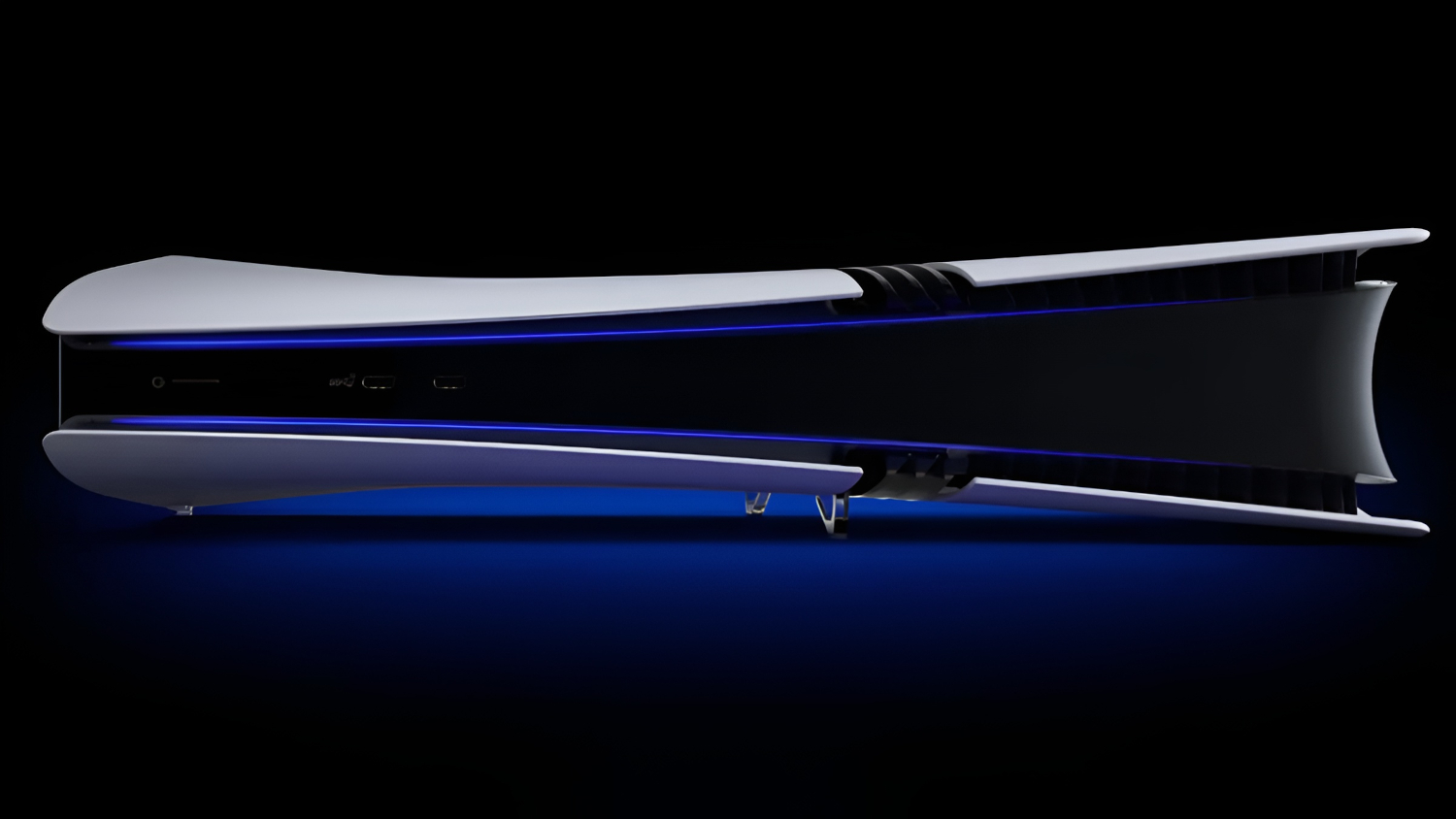
Want a PS5 Pro through Sony Store Japan? You’ll need at least 60 recorded hours on PS4 or PS5, a Japan-registered Sony account, and then hope a lottery picks your name.
Sony Store Japan opened applications on September 28, 2026, requiring a Japan-registered account linked to verified PlayStation Network history showing 60 hours of play between September 27, 2024 and September 27, 2026. Win the lottery and you still pay ¥137,980; as Tom’s Hardware noted, the lottery grants access to the pre-order records purchase only, nothing more. Applications close October 7, with results arriving October 26 and a payment deadline of November 2.
A Smarter Lock on the Door
The playtime requirement raises the real cost of scalping by demanding something a fresh throwaway account simply cannot manufacture.
A newly created disposable account cannot fake two years of recorded gameplay. This design raises the cost of scalping well beyond “create email, click buy fast,” which is a meaningful structural upgrade over first-come-first-served drops where bots routinely outrun real buyers.
This part works.
But the Net Has Some Holes
The same filter that blocks scalpers also catches legitimate players who simply did not game enough, or who gamed on the wrong account.
The 60-hour floor excludes new PlayStation owners, light-use households, and anyone whose play history is tied to a different account. Gameplay time measures platform loyalty; it does not measure purchase intent. Someone logging 10 focused hours a month is not less deserving than a player who hit 60 hours grinding side quests.
The geographic requirement generally excludes applicants without a qualifying Japan-registered account, which limits tourist and gray-market purchases. It does not, however, stop a domestic scalper with an aged account and a resale listing ready the moment the box arrives.
The Precedent Is the Real Story
If behavioral history becomes the standard gating mechanism for scarce hardware, platform holders gain leverage that extends well beyond scalper control.
When platform engagement determines who qualifies for hardware access, companies gain the power to shape their own customer base through ecosystem loyalty scores. That dynamic is worth watching closely. The industry tends to copy whatever works, much the way sneaker-drop lotteries normalized a system where buying a shoe started to feel like submitting a grant application.
Sony’s eligibility filter is a real structural improvement, but pairing behavioral screens with verified-identity checks and per-household purchase limits would close the gaps that determined, account-aged scalpers will eventually find.