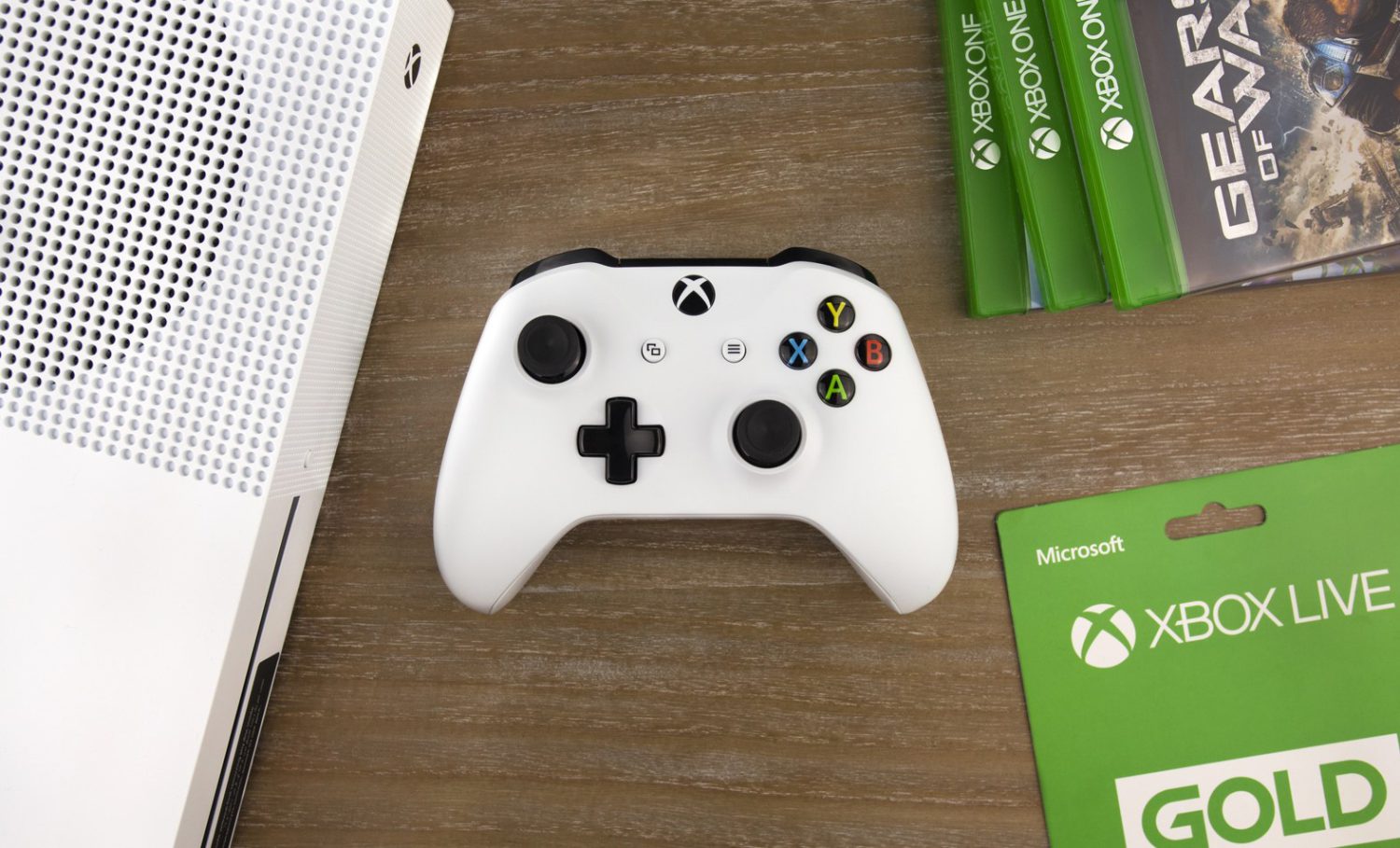
A September 2026 report claims Microsoft’s next-generation console, Project Helix, will include a traditional optical drive capable of reading discs from the original Xbox, Xbox 360, and Xbox One generations. That claim is unverified, originates from a lower-tier source with no official backing, and conflicts with more cautious reporting that describes a console still working through its physical-media options.
If you own a physical Xbox library, this question is not academic. The answer determines whether those discs still have a future on next-generation hardware.
No formal Microsoft announcement identifying Project Helix specifications has been identified. Physical-media support remains an active internal discussion, not a settled decision.
What the Reports Actually Say
Competing accounts describe a console that wants broad backward compatibility but has not resolved how physical media fits into that picture.
The September 2026 optical-drive claim comes from gamegpu.com, which reported broad hardware- and software-level backward compatibility alongside a built-in disc drive. No official Microsoft source identified in the available reporting supports this.
The Verge’s reporting on a leaked Microsoft internal memo presents a more cautious picture. According to that reporting, Helix is designed to run games across all Xbox generations, from the original Xbox through future Helix titles. The same report noted the console might ship without a disc drive and that physical-media mechanics were still being determined.
The distinction matters. The leaked memo reportedly describes digitized Xbox One and Series discs following users across Xbox devices, which points to a digital entitlement system rather than a console reading a physical disc inserted into a tray. Backward compatibility of a game library and direct disc authentication are two very different things.
How Microsoft Is Gauging Demand
A reported consumer survey signals ongoing evaluation, not a finalized hardware decision.
According to Tweaktown, Microsoft surveyed Xbox Insider Hub members, asking them to rate physical-disc installation as “Not Necessary,” “Nice to Have,” or “Must Have.” Windows Forum reporting on the same survey noted that Microsoft has not published the results.
A survey is not a specification. The questionnaire left several questions unanswered, including whether disc installation would require additional downloads, which console generations would qualify, and whether a disc would need to remain inserted during play.
Digital Foundry’s John Linneman reportedly said Microsoft had considered keeping disc support so existing Xbox games would remain playable on new hardware, according to Gaming Bible. He also raised the possibility of an external drive accessory while cautioning that his information may predate a subsequent shift in Xbox strategy.
What Each Scenario Means for You
Three possible approaches are in play, and each carries different consequences for physical-game owners.
A built-in optical drive could allow you to use physical games without repurchasing them, but that would not guarantee universal compatibility. Xbox backward compatibility has historically operated through an approved catalog, not automatic support for every title ever released on disc.
A digital-only console paired with a disc-to-digital conversion feature, as reported by Gadgets360 and The Verge via Vice, could convert some physical games into digital entitlements. That approach would likely cover Xbox One and Series titles, leaving original Xbox and Xbox 360 discs without a clear path. Resale, lending, and offline access could all be affected under that model, depending on Microsoft’s final terms , a concern familiar to anyone who has followed the history of video games and platform restrictions.
An optional external drive, raised by both Digital Foundry’s Linneman and Pure Xbox reporting, would represent a potential middle ground. No confirmed accessory, supported disc formats, or launch availability has been identified in the available reporting.
Broad backward compatibility is the clearest signal from available reporting. How Helix physically delivers that compatibility remains unresolved.
Microsoft’s formal hardware announcement will be the most reliable confirmation of what Project Helix actually supports. Until then, the September 2026 optical-drive report, along with every competing claim, should be treated as speculation. If your physical Xbox collection matters to you, the honest answer right now is that nobody outside Microsoft knows for certain. That uncertainty has a familiar shape: Microsoft reversed course on Xbox One’s original digital-rights model in 2013 after significant consumer backlash, which is worth remembering when evaluating how settled any current internal discussion actually is.