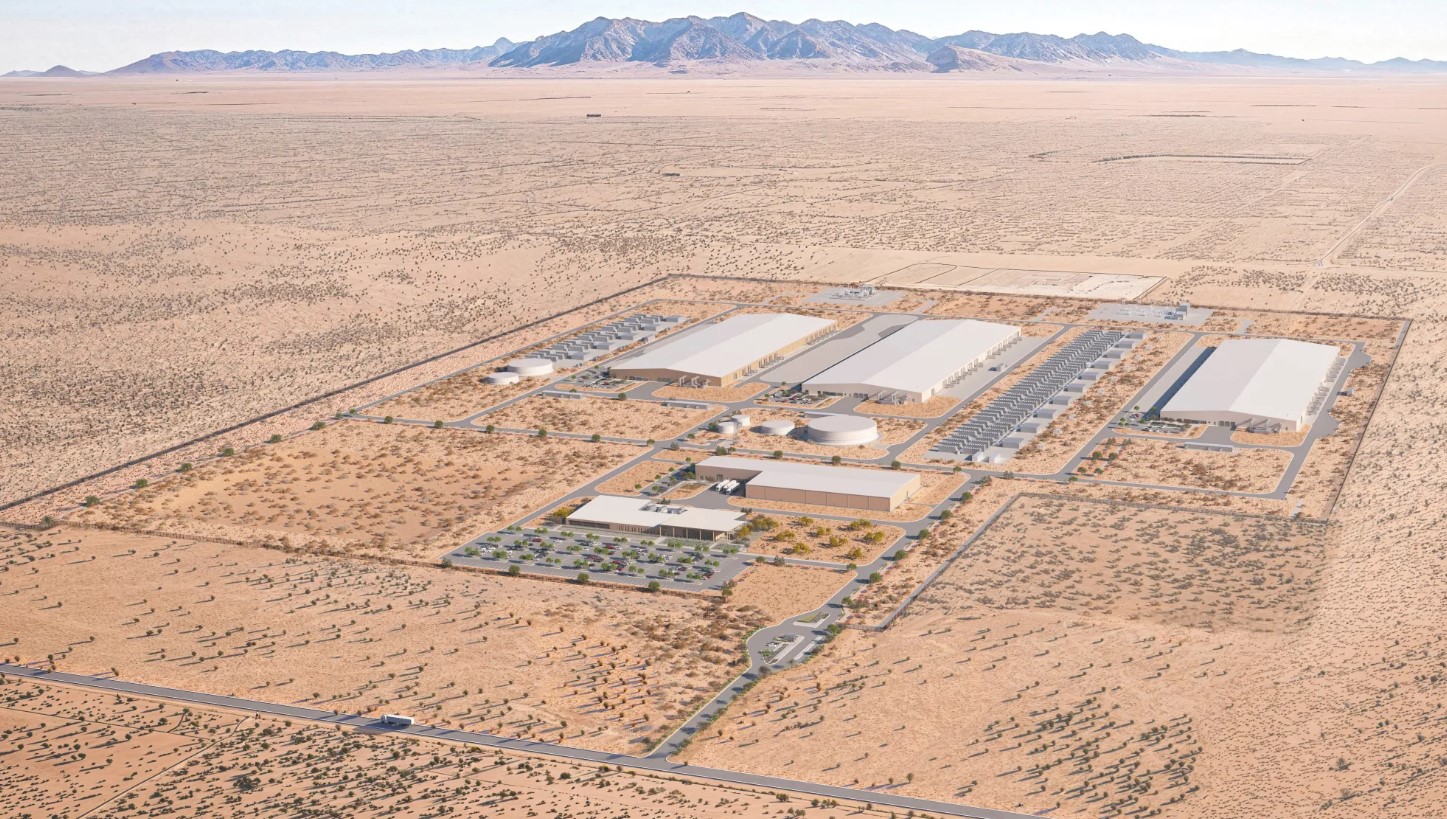
On July 28, 2026, the company folded its half-built El Paso AI data centers into a joint venture where BlackRock-managed funds own the overwhelming majority. Meta keeps just 20% — plus total operational control as sole tenant, construction manager, and property manager. Think of it like selling your house to a hedge fund, then renting it back while you still pick the paint colors, mow the lawn, and decide who comes to dinner.
Owning Less to Control More
The financial plumbing beneath this deal matters more than the headline number.
Here’s how the math works. Meta contributed roughly $2.3 billion in land and construction already underway. BlackRock brought about $4.9 billion in cash. Meta then received a $1 billion distribution to square the 80/20 ownership split. BlackRock’s stake is largely financed by $12.5 billion in bonds issued through a holding entity called Project Sopaipilla Holdings, according to Quartz, with JPMorgan and Morgan Stanley arranging the debt. That $14 billion campus? Most of it lands on BlackRock’s books, not Meta’s.
What Meta retains is the stuff that actually matters. The lease runs an initial four years with four extension options — potentially 20 years of uninterrupted access to 1 gigawatt of AI compute capacity. Meta also provides residual value guarantees that help underpin the project’s financing.
BlackRock owns the concrete. Meta owns the future running inside it.
“Building the infrastructure for superintelligence is key to making sure the benefits of this technology are distributed to everyone,” — Mark Zuckerberg, Meta CEO, per Meta’s investor press release, July 28, 2026.
The Campus Beyond the Spreadsheet
A 1-gigawatt facility reshapes more than balance sheets — it reshapes a city.
Over 2,300 workers are already on site. Peak construction will hit 4,000 jobs. The finished campus employs around 300 full-time staff, with compute expected online in 2028. One gigawatt is enough power to run roughly 750,000 homes — dropped into the El Paso desert like a second downtown.
Community commitments came bundled in:
- Meta awarded local public schools a $500,000 STEM grant and committed to water restoration projects.
- BlackRock’s Future Builders initiative pledges nearly $30 million to train over 12,000 skilled trades electricians across Texas over three years.
Big AI builds now arrive pre-packaged with social license — the infrastructure equivalent of a streaming service bundling free trials with every sign-up.
Larry Fink framed the project as reflecting growing demand for large-scale AI infrastructure financing, pointing to regional job creation and economic growth, according to CNBC.
This isn’t even Meta’s first time running this play. A similar joint venture with Blue Owl funds a Louisiana campus. The template is clear: hyperscaler keeps the keys, Wall Street holds the deed, bondholders fund the build. The AI arms race now has its own financial product category.