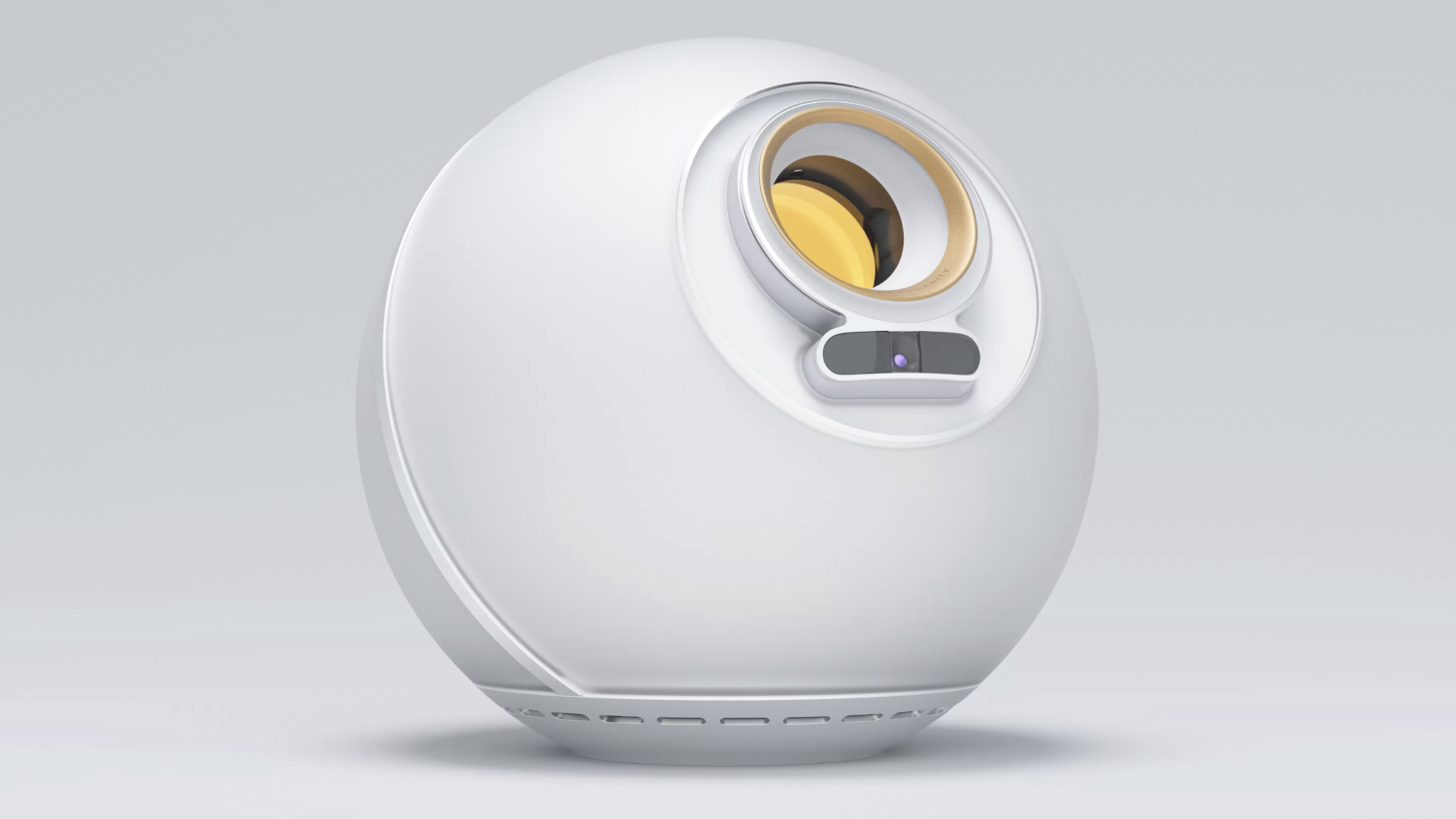
Black-and-white footage of anxious AI headlines floods the screen. Then the color blooms. Smiling couples. Kids laughing. Teens reconnecting with distant grandparents. A voiceover promises “the future is for everyone.”
The song reportedly underneath all of it is David Bowie’s “Five Years.” Its lyrics describe a man watching humanity learn that Earth has five years left before total extinction.
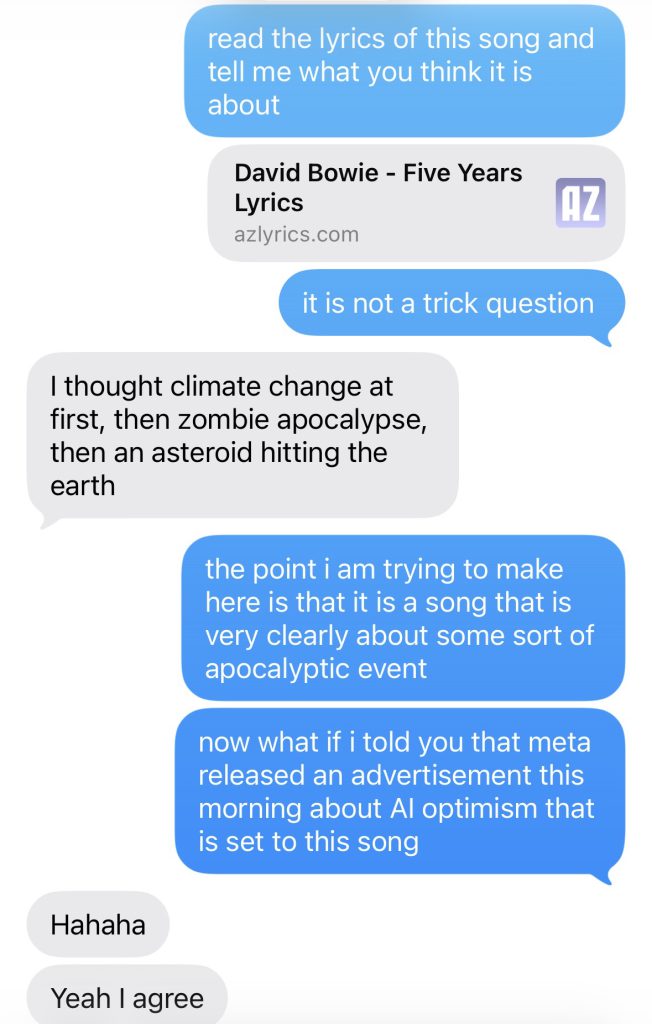
That is the vibe Meta reportedly chose as the soundtrack for its artificial intelligence optimism push.
The campaign supports Meta’s expanding AI product strategy. A few details worth knowing:
- The Bowie song choice: “Five Years” is not an anthem of possibility — its lyrics are a countdown to extinction, which makes its reported use here either a spectacular oversight or an accidental truth-bomb.
- According to Pew Research, only 16% of Americans expect AI to have a positive impact on society over the next 20 years. Forty percent expect the opposite.
- Muse Image, described as Meta Superintelligence Labs’ first image-generation model, is reportedly available through Meta AI, with expanded features behind a subscription paywall.
- Meta has also introduced “AI info” labels on ads that are AI-created or significantly altered — a transparency move, though its enforcement scope remains unclear.
- Anthropic, meanwhile, reportedly ran its own unsettling AI campaign, with Sam Altman publicly responding to it with visible sarcasm. The AI optimism ad is becoming a genre unto itself.
Mark Zuckerberg has framed the mission plainly, saying AI tools should help people “share, connect, and shape your world.” The campaign leans into that framing hard — accessibility, creativity, togetherness.
A Genre Built on Hope Nobody Asked For
When only 16% of the public shares your optimism, the branding has to work considerably harder than the product.
Here is the tension. Meta is not simply selling a feeling. Behind the warm lighting and Bowie’s vocals sits an aggressive infrastructure play — automated ad creative, generative image tools, and AI systems designed to deepen audience engagement within Meta’s ecosystem. The ad asks audiences to feel hopeful. The product strategy is designed to make that hope habitual.
That gap between message and mechanism is starting to look like the defining feature of AI marketing in 2025. Think of a wellness influencer selling supplements — the packaging is serene, but the business model runs on anxiety.
Maybe the Bowie pick was an accident. Maybe someone on the creative team knew exactly what they were doing. Either way, the most honest thing about Meta’s optimism campaign may be the song it reportedly chose to play underneath it.