Winning NT$500,000 in civil damages in a Taiwanese court sounds like a clean victory — until you subtract the five-month prison sentence and NT$150,000 fine that came with it. A Taiwan man reportedly used his robot vacuum’s built-in camera feed to document his wife’s alleged affair at their holiday home, won the lawsuit, then watched a separate criminal case dismantle about 30% of those winnings before he even cashed out. The evidence worked. The method didn’t. This kind of covert recording echoes cases involving a surveillance app built to monitor targets without their knowledge — and the legal fallout tends to follow a similar arc.
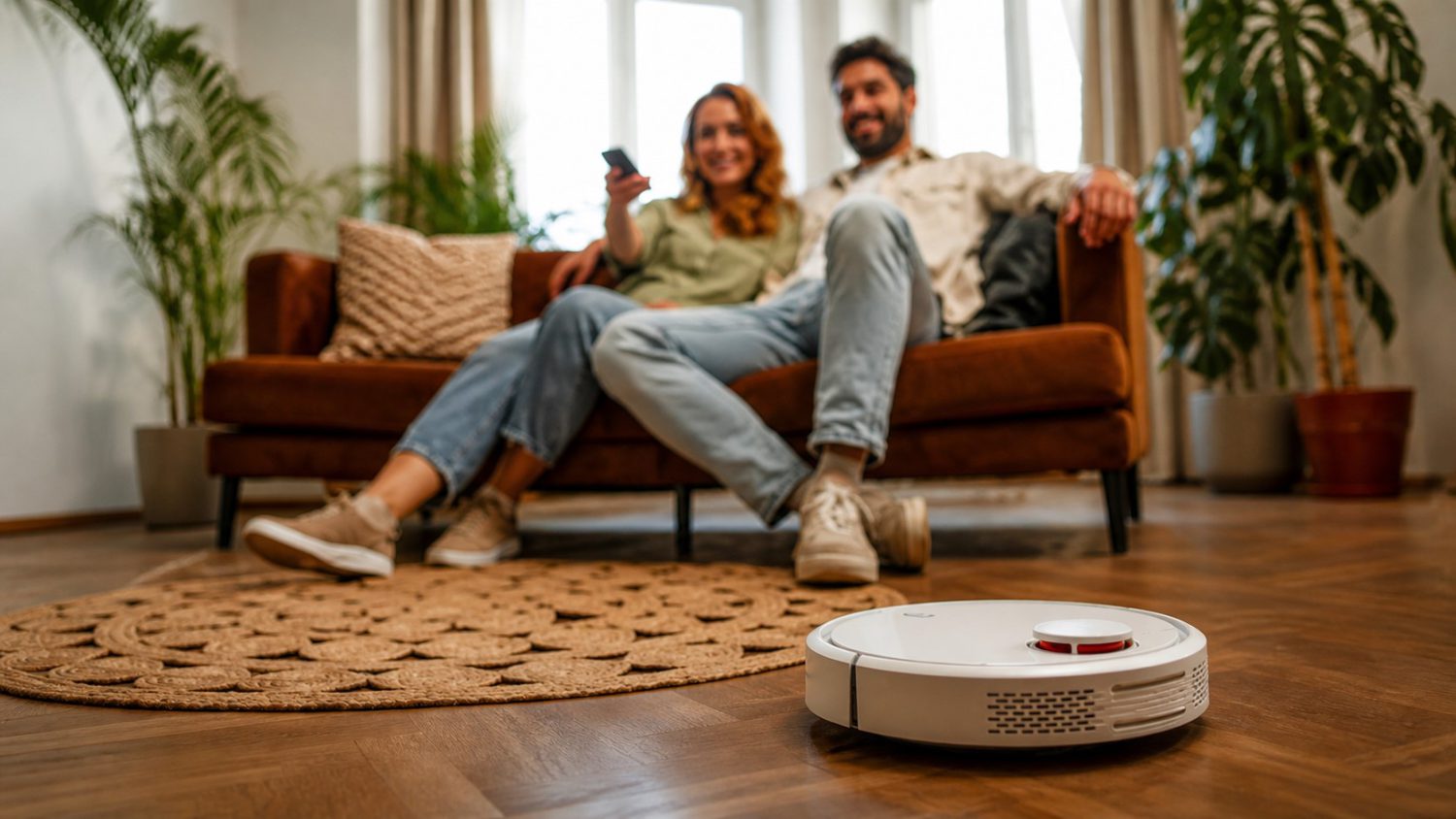
The Vacuum Saw Everything
The reported evidence chain reads like a procedural drama compressed into three steps — and each step dug the hole a little deeper.
Suspicious signs at the holiday home — a used toothbrush, corroborating parking garage CCTV footage — pointed the husband toward the robot vacuum app on his phone. The camera feed captured intimate footage inside the home. He brought that footage to court. According to reporting by Liberty Times and South China Morning Post from late August 2026, both cases then ran their course in opposite directions.
Here’s what the numbers looked like when both cases closed:
- Civil damages awarded: NT$500,000 (~US$19,000); original claim was NT$2 million
- Criminal sentence: five months in prison
- Criminal fine: NT$150,000 — roughly 30% of his civil award
- Court reasoning: privacy rights outrank marital obligations; evidence-gathering has legal limits
- Net result: a financial and personal loss once the prison term enters the calculation
According to South China Morning Post and Liberty Times reporting, the court’s position was that secretly recording another person’s private and intimate behavior is unlawful — even when that material later serves as evidence in a marital dispute. That reasoning is worth reading twice if you own any camera-equipped device that roams your floors unsupervised.
Your Roomba Is Not a Legal Instrument
The distinction the Taiwanese court drew is one that most smart-home marketing materials quietly skip over.
That distinction matters immediately if your living room currently contains any camera-equipped device — and statistically, it probably does. The court drew a line most smart-home marketing materials never mention: device capability does not equal legal permission. The vacuum could record. Recording was still illegal. Those are two separate facts that don’t cancel each other out. Cases of secretly tracking users through consumer devices reinforce exactly this point — capability and legality are never the same thing.
Think of it like using your neighbor’s Wi-Fi because they left it open. Technically possible. Legally a different conversation entirely.
Every camera-enabled device in your home — the robot vacuum, the smart doorbell, the baby monitor — carries legal exposure the moment footage becomes surveillance without consent. If you want monitoring that keeps you on the right side of that line, home security systems designed with consent and transparency in mind are a far safer starting point. The hardware is neutral. How you use it is not. That little disc quietly mapping your floors just became the most consequential appliance in the room.