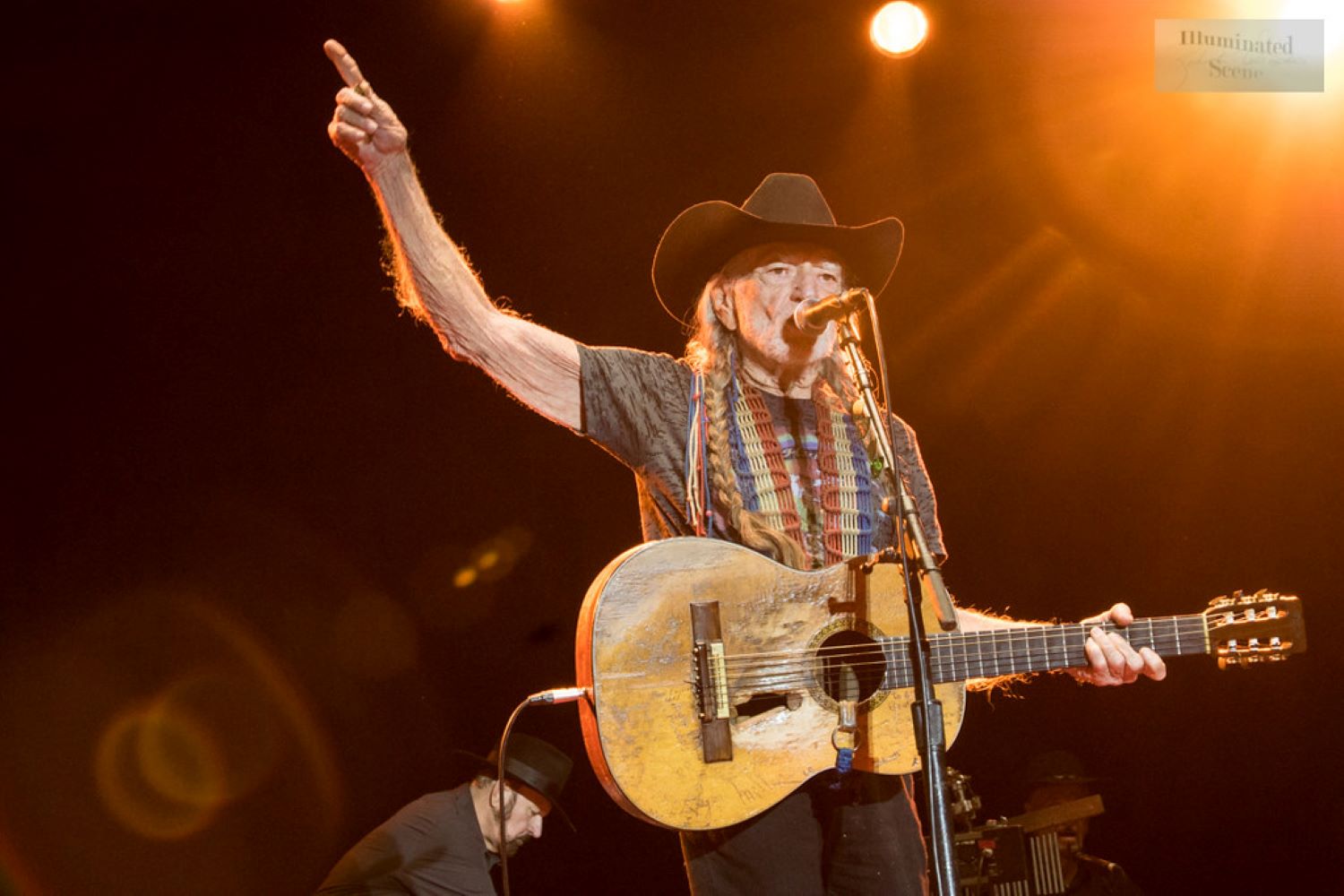
Abbott, Texas has fewer than 400 residents, dark skies worth driving hours for, and farmland that’s fed families for generations. Developers want to build as many as 56 data centers nearby, according to Yahoo News. Willie Nelson, 93, who still owns a home and farm there, responded with zero diplomatic cushion.
“The last thing we need is a loud, water-thieving, light-polluting, data center anywhere near our town,” Nelson wrote, as reported by the Washington Times. He’s not alone. This is now a movement with a soundtrack.
The Artists Making Noise
From Nashville’s zoo to Texas ranch land, country stars are turning local zoning fights into national flashpoints.
Brad Paisley called a proposed 69,000-square-foot facility 500 yards from the Nashville Zoo “an enormous monstrosity,” according to Rolling Stone. His Instagram plea helped push a petition past 560,000 signatures. Sheryl Crow and Jack White added their names, per CoStar.
Tanya Tucker warned that high-voltage transmission lines and data centers would “hurt our health, our wildlife, our water table,” urging Texans to contact Governor Abbott, according to TechRadar. Georgia-born Gavin Adcock was blunter in a widely viewed video, accusing “rich, money-grabbing -” of wanting to “slap a data center straight in the country,” as reported by Rolling Stone. Farmers, he said, are “getting punished for living in the country.”
The numbers frame the scale of the fight:
- 248 data centers are planned across Texas alone
- 560,000+ signatures collected on the Nashville Zoo petition
- $64 billion in U.S. projects blocked or delayed, per Datacenter Watch
- 142 activist groups now organizing across 24 states
“Whoever controls food and water, controls the masses.” — Willie Nelson
What’s Actually at Stake
The fight isn’t anti-tech — it’s about consent, water, and who bears the cost of AI’s physical appetite.
These aren’t cute server closets. AI data centers are warehouse-scale industrial plants requiring enormous amounts of electricity and water for cooling — competing directly with farms and households in drought-prone regions. New 765-kilovolt transmission lines slice across private ranch land. Noise hums around the clock. Light pollution erases the dark skies rural communities treasure, and utility upgrade costs can get passed straight to local customers.
Only about 7 percent of Americans strongly support building a data center in their community, according to widely reported polling cited by Resilience.org. That number cuts across party lines.
Paisley has drawn a pointed parallel: AI already scrapes artists’ work without meaningful consent. Now the same pattern is playing out with communities and their land. Megan Mullin of the UCLA Luskin Center told Rolling Stone that opposition “seems to be the thing that unites Americans right now,” driven by “our deep affinity for where we live” — not generalized hostility toward technology.
Not everyone is calling for an outright ban. John Rich, Trump’s appointed “Special Envoy for American Landowners,” says there’s a “proper way” and “improper way” to build, according to Rolling Stone. Denver already passed a one-year moratorium on new data center permits. Harvard analysts are calling for transparency, rate protections, and repeal of sweetheart tax breaks. The industry has a serious consent problem. And now, it has a Willie Nelson problem too.