In city council chambers across the country, officials have celebrated the removal of Flock Safety cameras as a privacy victory. Within months, Axon installation crews often appear on the same poles, bolting in replacement plate readers. According to TechTimes, 53 cities have canceled Flock contracts, citing unauthorized federal data access, false alerts, and mass surveillance of innocent drivers. Many aren’t abandoning license plate readers altogether — they’re switching vendors. The surveillance footprint isn’t shrinking. It’s rebranding.
What Cities Are Actually Objecting To
False alerts, federal overreach, and a system that surveils everyone to catch almost no one.
The LAPD’s own inspector general flagged alarming rates of false stolen-vehicle alerts from Flock cameras — meaning officers were pulling over innocent people because an algorithm misread a plate. NPR reported that some cities discovered their data reaching U.S. Border Patrol well beyond anything local officials had approved. That combination of operational failure and unauthorized federal access broke the relationship.
The core objections break down this way:
- Flock says federal sharing is “default off” and togglable; critics argue the database architecture itself creates the systemic risk
- The ACLU notes that less than 1% of scanned plates connect to any alleged crime — the system watches everyone to find almost no one
- Flock’s national lookup database lets agencies query each other’s data across jurisdictions, a feature Axon’s current setup does not replicate
Axon Steps Into the Gap
Same streetlight vendor, different logo — and a deeper integration with police tech that carries its own privacy concerns.
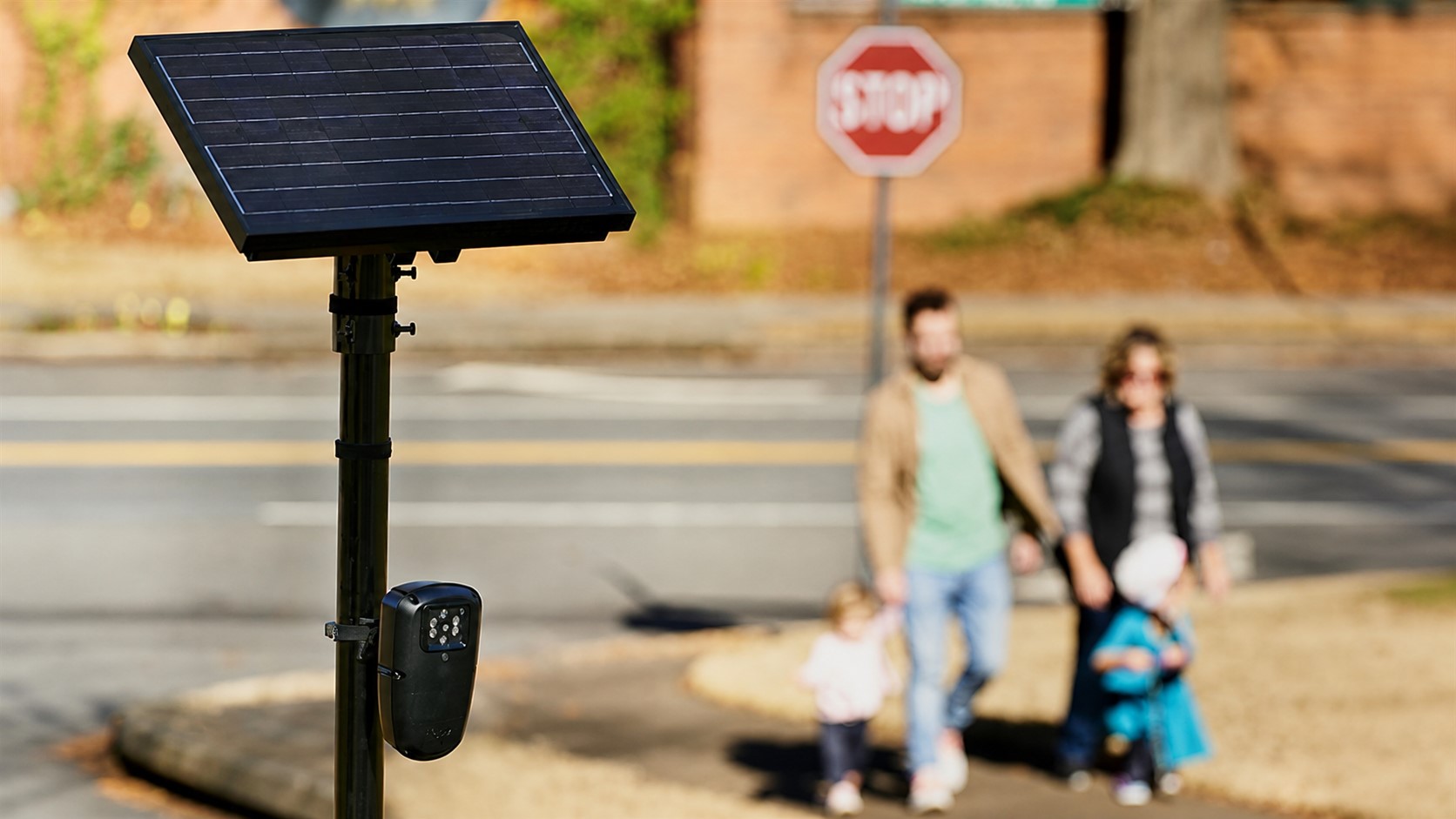
Axon spent years partnering with Flock to feed plate data into its in-car systems. In early 2025, it ended that partnership and launched direct competitors: Axon Outpost, a pole-mounted camera, and Axon Lightpole, a streetlight retrofit built with Ubicquia — the same smart-streetlight vendor Flock uses, according to Forbes. The pitch to cities is deliberate: similar capability, tighter contract terms, and seamless integration with existing body cams and the Evidence.com cloud platform.
Denver is the clearest documented case. The city cut Flock Safety cameras and advanced an Axon ALPR contract in March 2026 — 50 cameras instead of 100, 21-day data retention instead of 30, no access to a vendor-run national database, and mandatory audit trails for every query, according to Denverite. The camera count dropped. The surveillance continued.
Jalopnik warns that Axon’s integrated network can “hoover up personal details that can go far beyond your license plate numbers,” and that switching vendors may actually increase privacy risk through deeper system-wide data aggregation.
The Only Fix That Sticks
Contract tweaks are a temporary patch — state law is the only protection that survives a vendor swap.
New Hampshire mandates a three-minute data deletion rule, according to CNET. Vermont’s approval process has functionally blocked ALPR deployment statewide. Most states have neither protection. Two January 2026 court rulings — Schmidt v. City of Norfolk and State v. Simonson — upheld limited ALPR use but identified scale, retention period, and sharing scope as the decisive constitutional factors, according to TechTimes. Those are precisely the variables that contract language alone cannot lock in across vendor cycles.
Flock’s brand is damaged. Axon is winning contracts. The underlying infrastructure — persistent, automated tracking of where every car travels — keeps running, like a streaming service that changes its name while keeping the same content library. The real question isn’t which vendor a city selects. It’s whether any state law prevents the next vendor swap from preserving the same secretly tracking users dragnet under a fresher logo.