On May 9, 2025, a deputy with the Johnson County Sheriff’s Office in Texas queried Flock Safety’s nationwide license plate reader network. The reason entered into the search log, according to documents obtained by 404 Media: “had an abortion, search for female.” That single query swept across 83,000 cameras in 6,809 law enforcement networks — including cameras in Washington and Illinois, states where abortion is legal and protected. A small-county Texas deputy, hunting for a woman suspected of self-administering an abortion, had just searched a surveillance apparatus stretching from Spokane to Springfield. No warrant was required for the search.
How a Data Potluck Built a National Dragnet
Flock Safety’s reciprocal sharing model turns every local camera into a node in a coast-to-coast tracking grid.
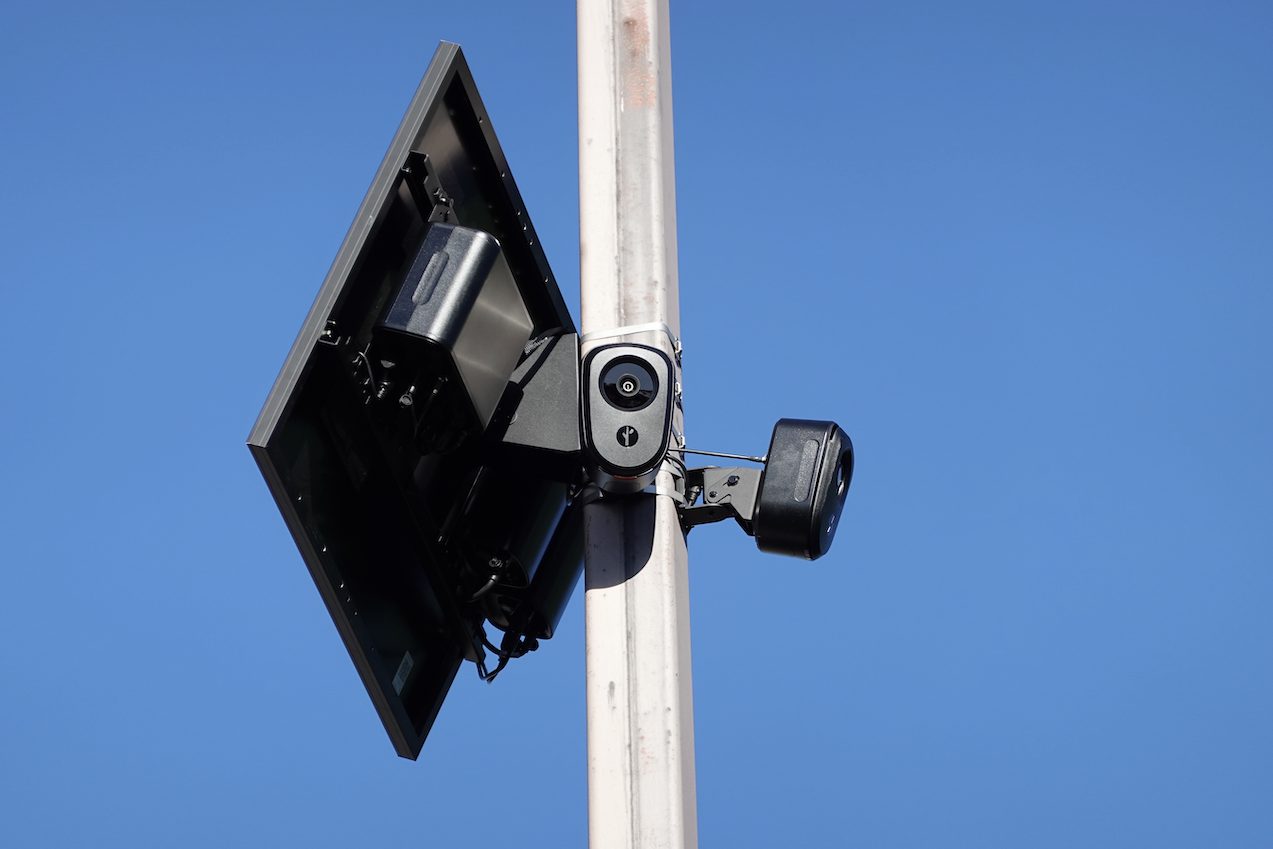
Think of Flock’s system like a potluck: bring your cameras to the table, and you eat from everyone else’s plate. Over 75% of the 5,000-plus law enforcement departments using Flock share their data into the national pool, according to NBC News. That sharing grants access to “National Lookup,” a tool letting any participating agency search all shared networks at once. San Jose has a Flock problem that illustrates how communities are pushing back against this expansive network.
Here’s what that means in practice:
- Flock cameras capture your plate, timestamp, location, and direction of travel — all stored in a central cloud.
- Agencies trade their data for broader search access, and warrants are typically not required.
- A Texas deputy can query cameras in your state without your state’s knowledge.
- Search justifications are free-text fields, often just “investigation.” This one was unusually candid.
- ACLU of Massachusetts records show over 450,000 searches hit Flock’s national database in a single 30-day period in spring 2025.
The Electronic Frontier Foundation has called National Lookup a repurposing of infrastructure sold for stolen-car recovery — now aimed at people seeking reproductive care.
The Welfare Check That Wasn’t
Official claims of a missing-person search crumble under documents showing deputies discussed criminal charges with prosecutors.
After 404 Media broke the story, Sheriff Adam King and Flock Safety insisted this was a “welfare check” for a missing person. Flock called the reporting “false” and “clickbait.” Documents and court records obtained by EFF tell a different story: deputies discussed potential criminal charges with prosecutors, and the investigating officer’s own affidavit contradicts key claims officials used to justify the welfare framing.
Kate Bertash of the Digital Defense Fund told 404 Media that anti-abortion activists have long secretly tracking users recorded plates at clinics, and large ALPR databases now make it easier to “cross-reference and track those vehicles over time and across state lines.” Living in a so-called safe state offers little protection when the surveillance grid has no state lines.
Representatives Sylvia Garcia and Raja Krishnamoorthi sent a letter to Flock CEO Garrett Langley in August 2025 demanding answers on warrant requirements and data safeguards. No comprehensive federal law governs any of it.
The real problem isn’t one deputy’s blunt search term. If he had typed “investigation” instead, nobody would have ever known.