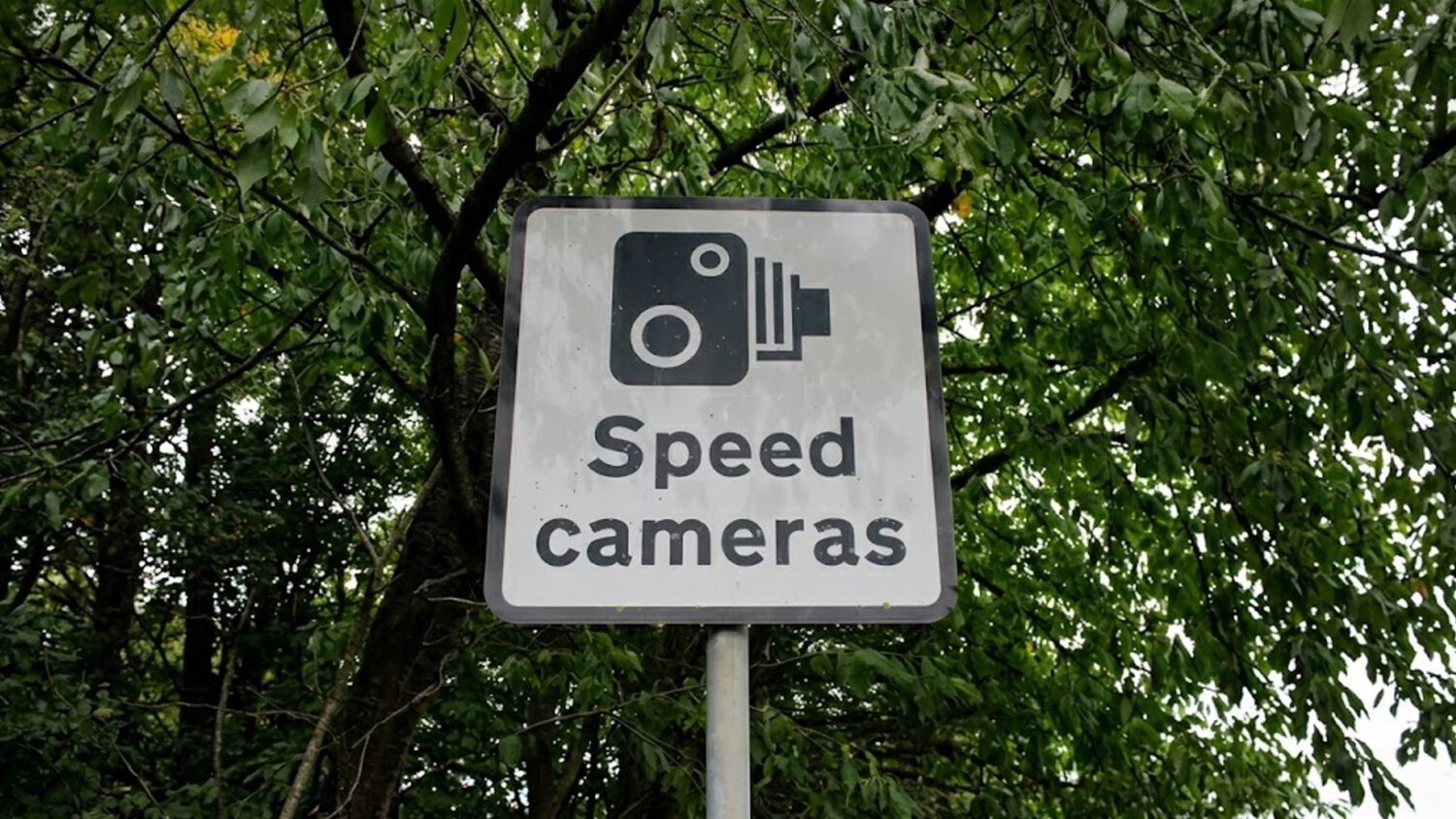
Selected Los Angeles streets lit up on Oct. 26, 2026, and residents immediately started wondering whether that flash meant a ticket was already on its way. It wasn’t, at least not yet. The city’s automated speed-enforcement network is operational, and every driver in LA needs to understand how it works before late December arrives. For broader context on automated camera enforcement, the surveillance app debate playing out in other California cities offers useful perspective.
How the System Actually Works
It photographs your plate, mails you a notice, and skips the points entirely.
The cameras target vehicles traveling at least 11 mph over the posted speed limit and capture a rear license-plate image. That image is matched against vehicle-registration records, and a notice lands in the mailbox of the registered owner, including the recorded speed, the violation location, and instructions for contesting the citation.
The violation is civil and non-moving, legally closer to a parking ticket than a moving infraction. It adds zero points to a driver’s license.
One detail worth knowing: the registered owner is responsible for the penalty even if someone else was behind the wheel, according to reporting on the city program.
What It Will Cost You After the Grace Period
Sixty days of warnings, then the dollar amounts get very real.
Every newly activated camera system runs a 60-day warning-only period before monetary fines begin. For the systems that went live on Oct. 26, that warning window is scheduled to close on Dec. 25, 2026, with fines starting the following day. Confirm the exact date with LADOT before that deadline approaches, as the agency’s day-counting convention has not been independently published in the available materials.
After that grace period, the penalty scales with how far over the limit you were traveling. Drivers clocked 11 to 25 mph over the posted limit face fines of $50 to $100. The penalty climbs to $200 for 26 to 99 mph over and reaches a $500 ceiling for anyone whose recorded speed hits 100 mph or more. Knowing simple ways to save hundreds on vehicle costs can help offset the financial pressure these fines introduce. Camera systems installed later in the rollout will each carry their own separate 60-day warning period.
Scale, Safety, and the Questions Worth Watching
125 systems, 15 districts, and a pilot program that has to prove its worth.
The initial launch covered roughly 20 to 25 locations. Reported early sites include La Cienega Boulevard at Pico, La Brea Avenue at First Street, Fairfax Avenue at Clinton Street, and Melrose Avenue at Hayworth Avenue, though these should be treated as reported corridors rather than locations officially confirmed by a published LADOT map. The full network, authorized under California Assembly Bill 645, is planned to reach 125 systems across all 15 City Council districts by the end of 2026.
LADOT is targeting high-injury corridors, school zones, and areas associated with street racing: the places where persistent speeding creates the highest crash risk. Revenue from penalties is intended for safe-street infrastructure, according to the city’s approved plan.
Road-safety advocates argue that automated enforcement can address speeding on long, busy corridors in ways that police patrols cannot continuously sustain. Think of it as the Ring doorbell era applied to public streets. The city is building a documented record of what happens at its most dangerous intersections, flagging violations whether or not an officer happens to be present.
The accountability questions are real and worth monitoring. How accurately does the system measure speed? How will the city handle signage changes and speed-limit updates? How long are images retained, and are camera locations distributed equitably across neighborhoods? These are questions residents and elected officials should press LADOT to answer transparently as the program scales.
A camera flash within the warning period means a letter, not a fine. Come late December, that math changes. Know your speed, know your corridor, and understand that the city is now keeping score either way.