You open your banking app, see money back in your account, and your stomach drops. That returned tax charge on your Verizon iPhone Duo pre-order looks a lot like a cancellation. It is probably not.
A refunded amount appearing before the device ships is one possible explanation for a payment authorization expiring. That explanation has not been confirmed as official Verizon policy, and only Verizon can confirm whether your order is active, canceled, or awaiting a payment action.
What That Returned Charge Actually Means
Understanding what actually happened to your money can save you a lot of unnecessary anxiety.
When you place a pre-order, your bank or card issuer typically places a temporary hold on the funds rather than immediately transferring them. If the device has not shipped before that authorization window closes, the hold can lapse and the funds return to your available balance. Payment handling varies by bank, card issuer, and transaction type, so this should be understood as a plausible mechanism rather than a universal rule.
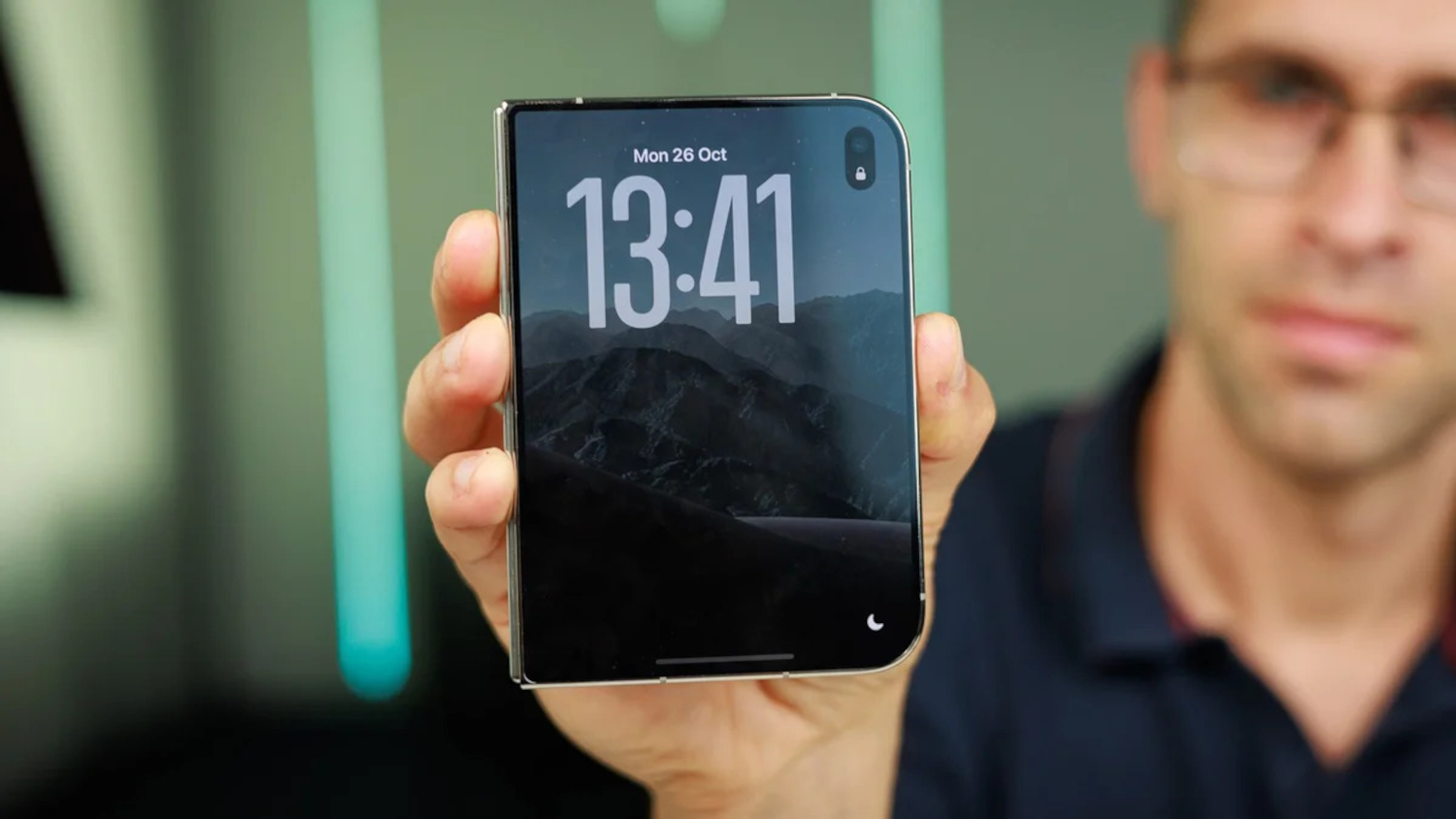
Apple’s first foldable iPhone, the iPhone Duo, entered the pre-order cycle in October 2026 and generated enough demand to push pre-order records well past launch day. According to Macworld and Tom’s Guide, Verizon estimates vary by configuration, running from late November and mid-December for some models, while some orders from other retailers extend into January 2027. A substantial gap between your pre-order authorization and the eventual shipment date creates the conditions where an expiry becomes possible.
That means Verizon may attempt to collect the tax amount again if your order remains active. Verizon offers financing at $96.66 per month over 36 months at 0% APR, though final costs vary by configuration, plan, and trade-in credits, according to Verizon. Reviewing Smartphone Charging Tips now can help you prepare for long-term device care once your phone arrives.
How to Know if Your Order Is Actually Safe
Your order status page is the only place that gives you a definitive answer.
Check your Verizon order status page or the app before drawing any conclusions. An active order showing a delivery estimate is a meaningful indicator. If you see explicit language such as “canceled,” “payment failed,” or “action required,” contact Verizon support directly by phone or chat.
It is also worth a quick call to your bank. Ask specifically whether the original charge was a temporary authorization that lapsed, as opposed to a refund triggered by an account-level cancellation. Those are two different outcomes, and your bank can often distinguish between them, though confirming the order’s fulfillment status requires going to Verizon directly.
Do not treat the returned funds as spending money. Think of them the way you would think of a security deposit sitting in escrow: technically visible, practically unavailable. Keep the full tax amount accessible so a re-authorization attempt does not hit a declined transaction when your phone moves to shipment.
A returned charge alone does not prove that Verizon canceled your iPhone Duo order. If you have confirmed the order is active and a delivery estimate is still showing, leave the funds in place and allow Verizon’s fulfillment process to continue. Canceling makes sense only if Verizon explicitly confirms the order is dead or if the potential wait (which could reach January 2027 for some configurations at other retailers) no longer fits your needs. While you wait, browsing iPhone accessories can help you plan ahead for when your device finally arrives.