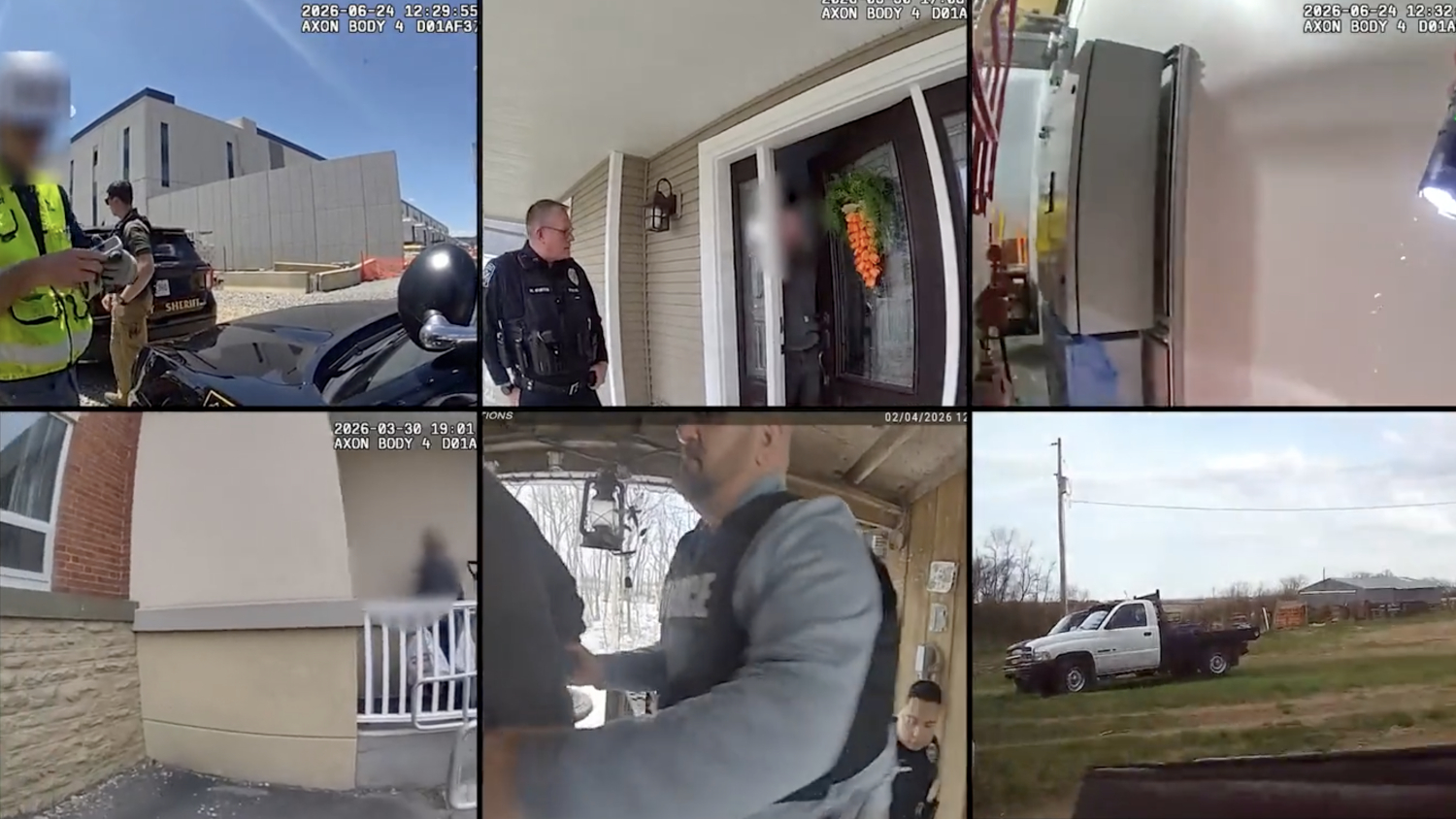
A court-authorized tracking device never made it onto a suspect’s Tesla. Court filings point to the vehicle’s own security state as the reason. Federal agents had a judge’s permission. They had a plan. What they reportedly did not have, according to court documents reviewed by 404 Media, was a way past the parked car’s active security state.
That gap between legal authorization and practical execution sits at the center of a Milwaukee drug-trafficking investigation that has drawn fresh attention to what modern connected vehicles can actually do.
What the Court Documents Show
A terse court filing captures the obstacle in a single sentence: the warrant was never executed because security protocols were active on the Tesla.
On Halloween 2025, a Homeland Security Investigations special agent filed a more than 60-page warrant application seeking permission to place a tracking device on a white Tesla associated with Milwaukee landlord Sam Stair. Investigators said the tracker would help identify locations connected to an alleged drug-trafficking organization, its members, and its supply sources.
A federal judge approved the warrant the same day. Agents did not install the device. A subsequent court filing offered a terse explanation: “Search warrant not executed due to security protocols active on Tesla.” The filing does not identify which specific security feature was active.
What Tesla’s Security System Actually Does
Tesla’s Sentry Mode is the most plausible explanation, though the court documents do not confirm it.
When enabled, Sentry Mode uses the vehicle’s cameras and security systems to monitor the surrounding area while the car is locked and in Park. Tesla says the feature is disabled by default and operates under specific vehicle and configuration conditions.
When the system detects a serious threat, it can pulse the headlights and sound an alarm. It may also display an exterior camera warning and send an alert directly to the owner’s Tesla app.
Not every detected movement triggers a full alarm. Tesla’s documentation distinguishes between higher-level threat responses and lower-level activity that may be recorded without triggering an exterior alarm or owner notification. Footage may also be saved to a USB drive, depending on the vehicle’s storage configuration, and whether the system activates at all depends on software version and connectivity.
The Broader Investigation
The failed tracker installation did not stop federal agents from continuing to build their case against Stair.
Federal agents later arrested Stair and other defendants on charges that included alleged drug distribution, operating drug houses, and money laundering, according to the Milwaukee Journal Sentinel. Stair pleaded not guilty. A federal judge subsequently ordered his release under restrictive conditions while proceedings continued.
What This Means for Connected Vehicles
The incident shows how a consumer anti-theft feature can create unexpected friction for investigators attempting authorized physical access.
Modern vehicles layer exterior cameras, onboard sensors, local storage, cloud-connected alerts, and smartphone notifications into a single active security platform. Tesla designed Sentry Mode to detect possible threats and record suspicious activity near a parked car. Court documents suggest that, in this case, those same functions may have complicated a court-authorized covert operation, a dynamic also seen in cases involving a surveillance app used to monitor targets remotely.
Nothing in the available filings proves Tesla intentionally obstructed law enforcement, or that its security features are impossible to work around. The filing establishes only that agents reported the installation as impractical given the vehicle’s active security state.
A New Variable for Investigators
This case illustrates that a signed warrant does not resolve the question of what a networked car is doing when agents arrive.
As connected vehicles grow more capable, courts and investigators may increasingly need to account for vehicle surveillance configurations when planning physical surveillance. That consideration, for now, remains a practical lesson from a single Milwaukee case rather than an established legal standard.