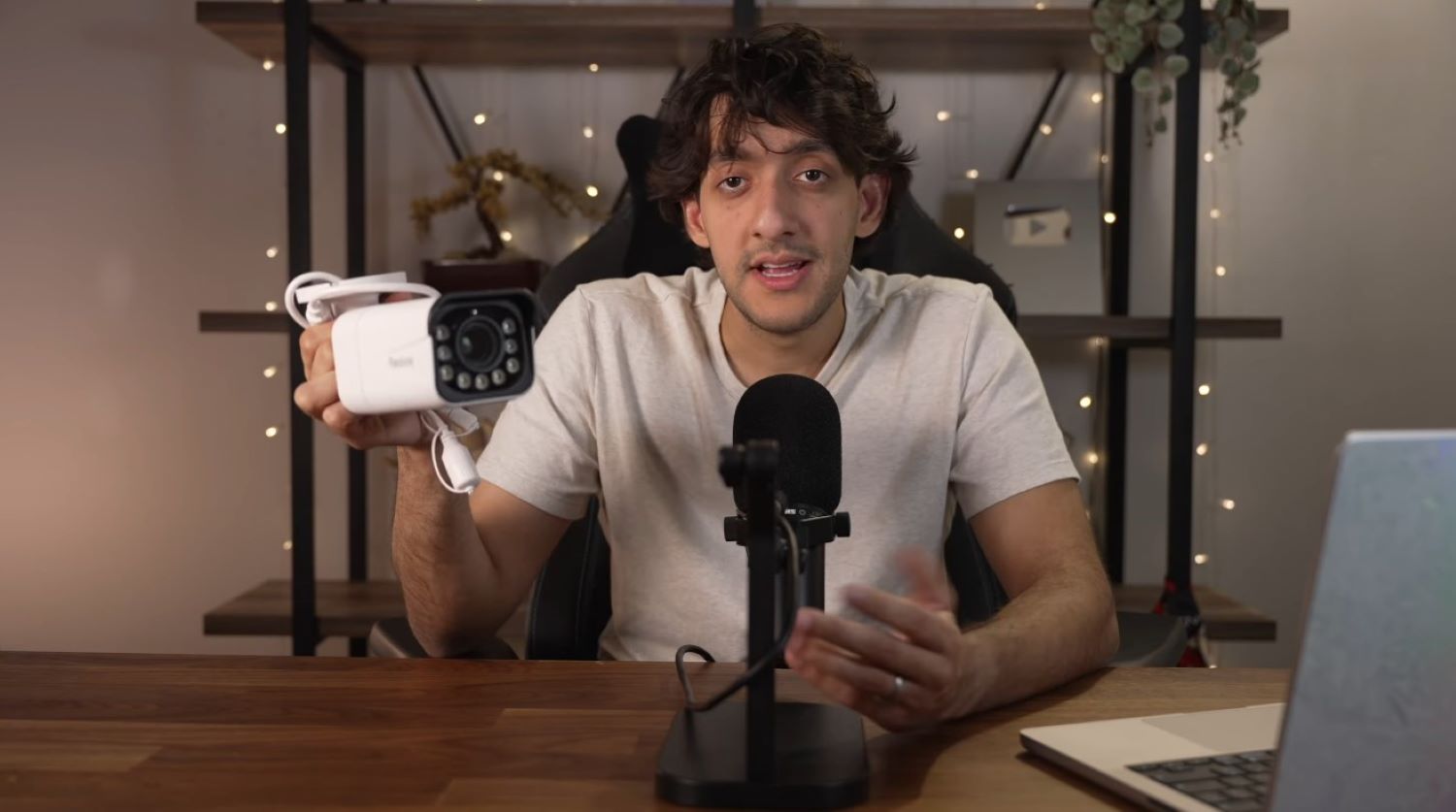
When officers showed up at a YouTuber’s door asking what he planned to do with the data he had collected, he reportedly offered a pointed response: that is the same question citizens ask when police do the same thing to them.
According to the YouTube video documenting the project, the creator built a system modeled on the data-collection logic used by Flock Safety-style automated license-plate recognition (ALPR) technology, then pointed it at police vehicles instead of civilian ones. The details of the police visit are attributed to the video; the creator’s identity and the responding department have not been independently verified.
How Flock-Style Systems Work
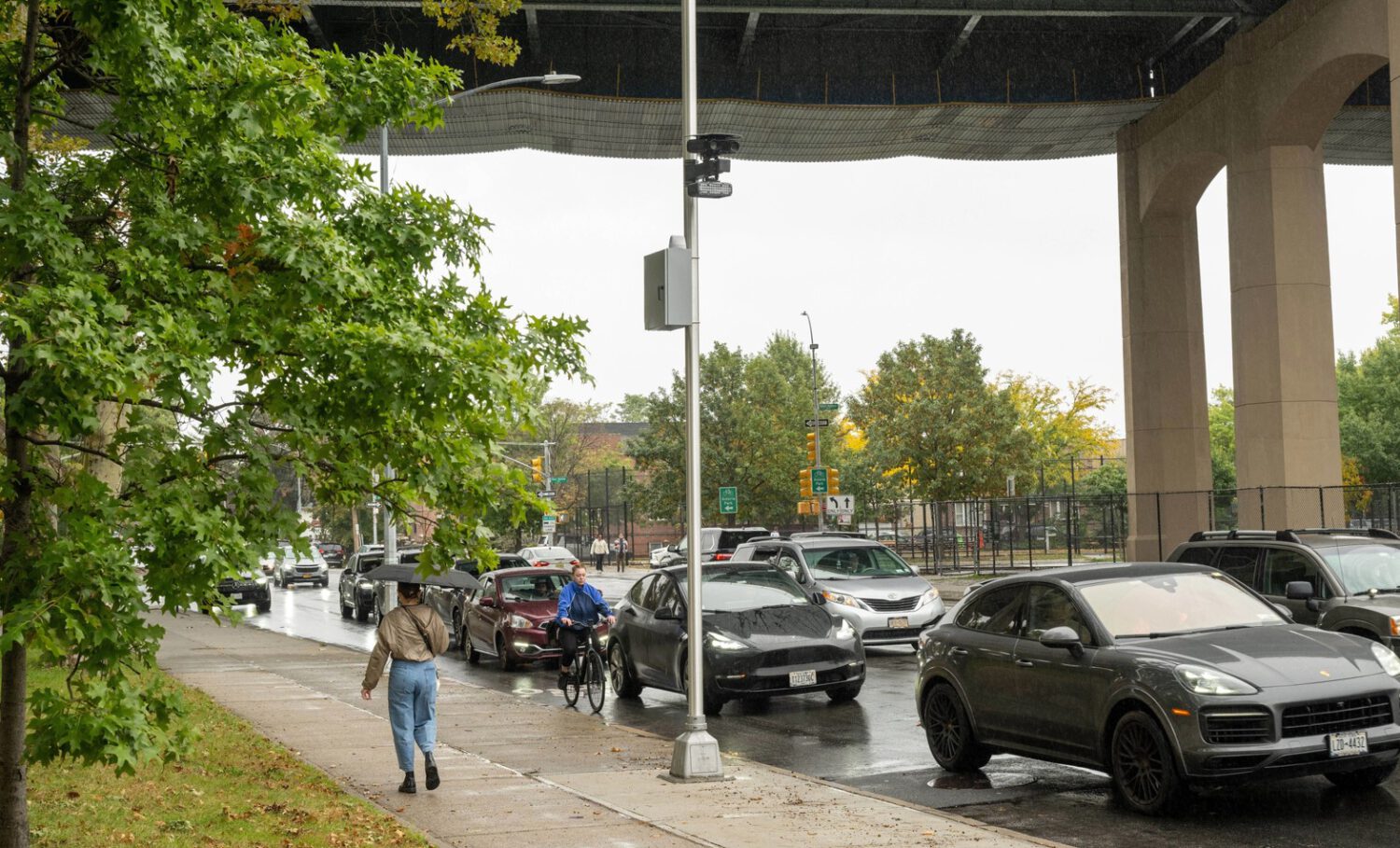
These platforms turn ordinary vehicle sightings into timestamped, searchable records tied to specific locations.
Per Flock Safety’s published policy, its ALPR cameras collect license-plate images, vehicle images, vehicle characteristics, plate numbers, plate states, dates, times, and camera locations. Searches are logged with the stated purpose of the query and the identifying elements used, creating an audit trail.
Data is stored in AWS Government Cloud and normally hard-deleted on a rolling seven-day schedule, though that period can vary depending on customer policy or applicable law. Customers own the data and control whether to share it with other agencies; Flock says it does not sell or publish that data for commercial purposes.
The Reversal
The creator’s demonstration does not replicate Flock’s commercial platform, but it tests the same governing principle.
The YouTuber’s system, as shown in the video, is not a technical equivalent of Flock’s commercial product. The available material does not establish comparable range, retention infrastructure, or legal authority. The narrower comparison being tested is this: collecting location-linked vehicle data raises concerns about movement tracking regardless of who holds the camera.
That principle is what makes the doorstep exchange significant. According to the video, authorities arrived wanting to know what a private citizen intended to do with surveillance app-comparable data he had assembled. Citizens rarely have a comparable mechanism to ask law enforcement the same question about data collected on them, in real time, with any expectation of a response.
What the Data Can Reveal
Privacy advocates warn that vehicle-location records can expose sensitive details about daily life, even for drivers never suspected of any crime.
Reporting from outlets including NorthJersey.com has documented the broader concern: ALPR data can map where people live, work, worship, or seek medical care. Critics argue this creates detailed movement records on drivers who have done nothing wrong, much like apps caught secretly tracking users without their knowledge.
Interagency sharing compounds the concern. A record generated in one jurisdiction can surface in another, and the subject may never know it happened.
Flock’s Response to Scrutiny
The company has announced several safeguards, though privacy advocates say meaningful questions remain.
As reported by ABC News, Flock announced shorter default retention periods, search audit logs, abnormal-activity reviews, and restrictions that let agencies limit which offense types other agencies can investigate through shared data. Whether those controls satisfy privacy advocates remains an open question.
The Pressure Is Not Going Away
As surveillance tools become more accessible, the absence of consistent rules about who may collect vehicle-location data grows harder to ignore.
If you drive in an area covered by an ALPR-networked camera, your vehicle’s movements may already be in a searchable database. As the tools for building these systems become more widely available, the pressure for clearer rules about who may collect vehicle-location data, on whom, and for how long is unlikely to ease.