
The wellness industry churns out new “must-haves” weekly, each promising transformation while delivering mostly marketing. Navigating this landscape resembles sorting signal from noise on a crowded Reddit thread. This list cuts through the confusion using research and real-world testing. These nine items genuinely deliver on their promises without requiring a second mortgage.
This content may contain affiliate links. If you wish to support us and use these links to buy something, we may earn a commission.
9. Magnesium Supplements
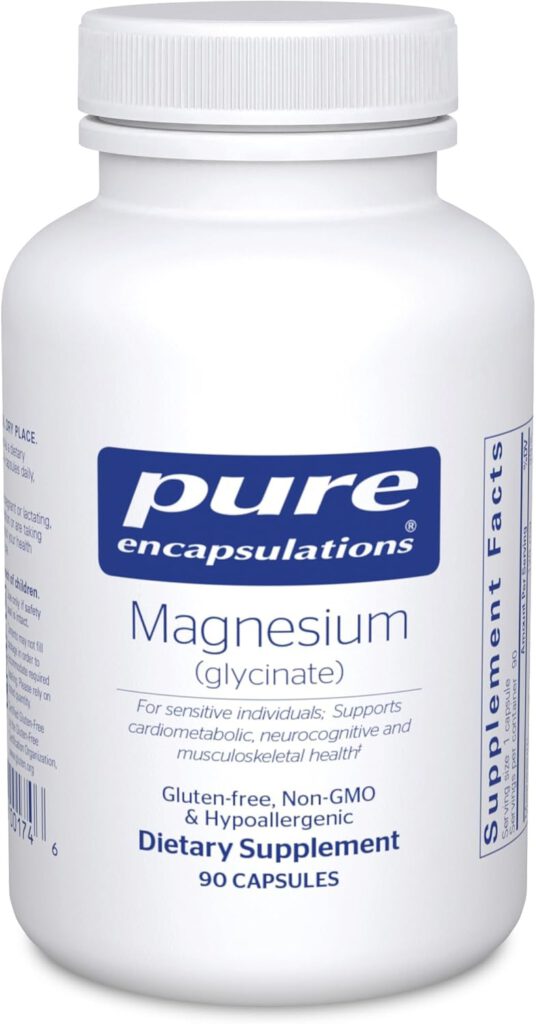
Your body’s 300+ enzyme systems depend on this mineral to keep cellular operations running smoothly.
Magnesium functions as a cofactor for more than 300 enzymes, making it essential for energy production, muscle contraction, nerve transmission, glucose metabolism, blood pressure regulation, and bone mineralization. The right form matters. Magnesium glycinate bonds magnesium to glycine for better tolerance, while magnesium oxide is poorly absorbed and commonly triggers laxative effects. The NIH sets 350 mg per day as the upper limit for supplemental magnesium; exceeding this can cause diarrhea, nausea, and cramping. Evidence for sleep improvement remains limited, though supplementation helps when dietary intake falls short. Choosing glycinate over oxide prevents bathroom emergencies while supporting your actual needs.
8. Smart Ring
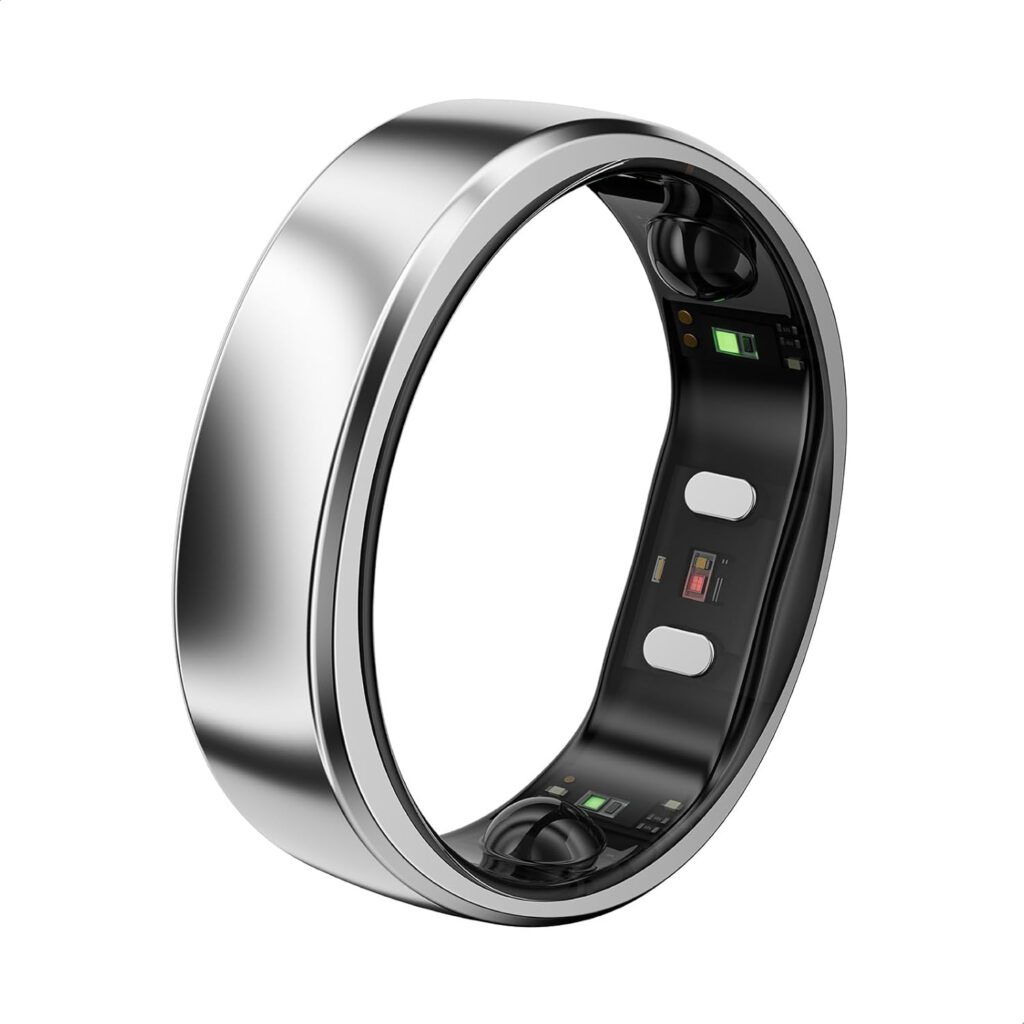
Advanced wearables track physiological signals including temperature trends, heart-rate variability, and cycle-related patterns.
Smart rings like the Oura monitor skin-temperature trends, resting heart rate, heart-rate variability, daily activity, and stress indicators. For women, features extend to menstrual-cycle tracking, period predictions, and ovulation-related estimates. These insights reveal patterns rather than medical diagnoses. Oura’s fertility-window feature integrates with Natural Cycles but isn’t intended as contraception. Recovery data helps adjust workout intensity before burnout strikes. When your readiness score tanks, swapping high-intensity training for a walk preserves progress. Temperature and HRV patterns offer additional health context, though clinical testing remains separate. Understanding these trends empowers smarter daily choices beyond guesswork.
7. Rhode Skincare
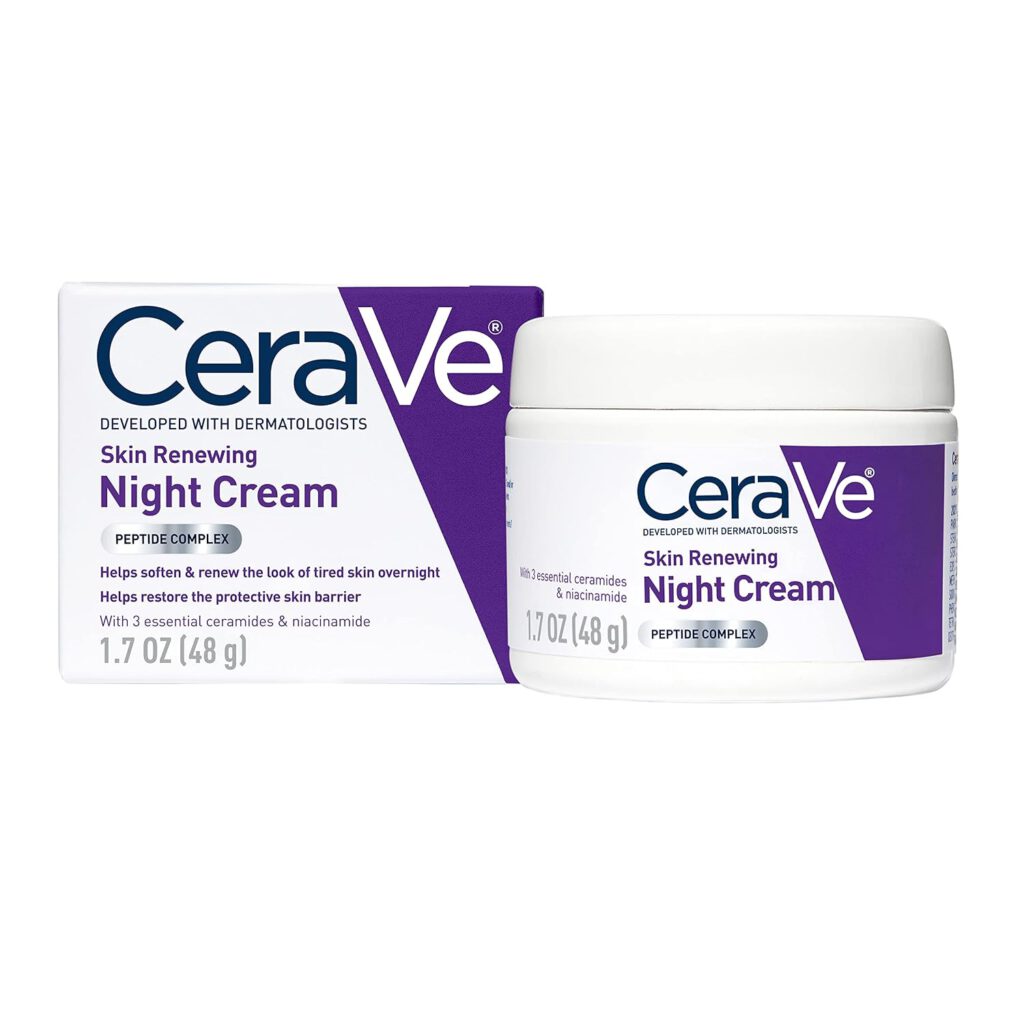
Hailey Bieber’s brand emphasizes humectants, peptides, and ceramides for barrier support and hydration.
Rhode’s Peptide Glazing Fluid, Barrier Restore Cream, and peptide lip treatments focus on ingredients that draw moisture, support repair, and strengthen the skin barrier. The Barrier Restore Cream offers rich texture suitable for sensitive, dehydrated skin. Rich occlusive formulations may feel heavy for some acne-prone complexions, depending on individual skin chemistry. Results also depend on consistent sunscreen use, overall routine, and genetics rather than any single product. Marketing claims deserve skepticism separate from ingredient lists; what works varies by formulation and skin type. For chronic dryness, barrier-supporting ingredients provide real help when matched to personal needs.
6. Red-Light Therapy
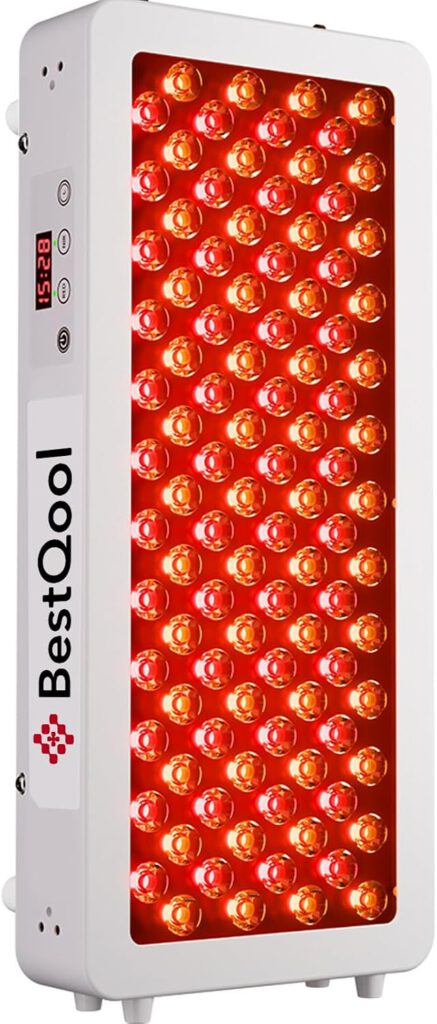
Photobiomodulation uses specific wavelengths to influence cellular processes related to skin, inflammation, and recovery.
Red and near-infrared light therapy, also called photobiomodulation, has been studied for effects on skin appearance, collagen-related processes, inflammation, wound healing, and muscle recovery. Red light primarily addresses surface skin, while near-infrared penetrates deeper tissue. Outcomes depend heavily on wavelength, irradiance, dose, distance, exposure time, and frequency. Consumer devices vary substantially in output, so price tags don’t guarantee effectiveness. Eye protection matters, particularly for face-directed panels. Follow manufacturer instructions closely. The therapy shows promise in research, but a sponsored device like the Bestqool Pro 100 requires independent verification of its output specifications and clinical performance before accepting marketing claims.
5. Air Fryer

Compact convection ovens circulate hot air for faster cooking and crisping with less oil than deep-frying.
Air fryers roast vegetables, tofu, chickpeas, and nuts efficiently while reheating leftovers with restored texture. Cooking time depends on food type, portion size, starting temperature, and appliance wattage. Small, thin portions cook quickly; raw chicken requires proper temperature and timing to meet food-safety standards. Nutritional benefits depend on recipe and oil quantity rather than the appliance itself. Not every glass container tolerates air-fryer heat, so check manufacturer ratings before use. The device excels at producing crisp exteriors on roasted foods when used correctly. Outdoor walking provides additional benefits beyond indoor treadmill use, but weather and safety sometimes make indoor options practical.
4. Smart Scale/Body-Composition Analyzer
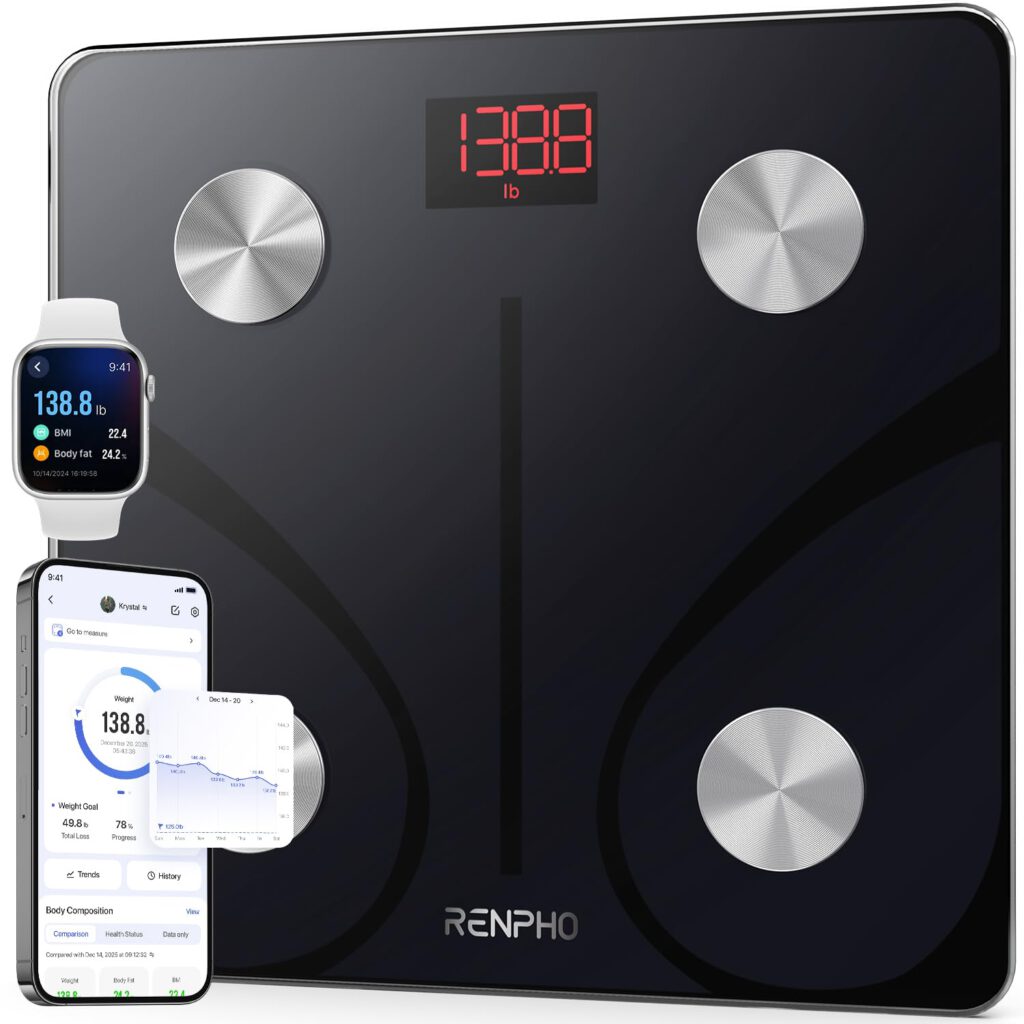
Bioelectrical impedance analysis estimates body composition, though readings vary with hydration and measurement conditions.
Smart scales using BIA estimate body fat, muscle mass, water, and related metrics. Readings fluctuate with hydration, food intake, exercise, and skin temperature, making them most useful for tracking trends under consistent conditions rather than obtaining exact measurements. Consumer devices like the Hume Health analyzer should not be described as equivalent to DEXA imaging without independent validation. DEXA is a clinical method for assessing bone mineral density and body composition; BIA provides estimates. Track patterns over time instead of treating single readings as definitive. Strength training supports bone health, but a consumer scale’s ability to detect changes requires verification beyond marketing materials.
3. Face Roller

Stone or metal massage tools may temporarily reduce puffiness through cooling and gentle pressure.
Face rollers provide short-term reductions in facial puffiness through cooling, gentle pressure, and fluid movement. The effects are temporary rather than permanent. Strong evidence that rollers reshape faces, improve lymphatic function in healthy people, or produce lasting anti-aging results is lacking. Gentle massage achieves similar effects when performed with fingers. Excessive pressure or use over irritated skin may worsen redness. Morning puffiness responds to cooling and massage before important video calls. The roller offers consistent, convenient application, though it’s not required for the same basic technique your hands can deliver.
2. Walking Pad
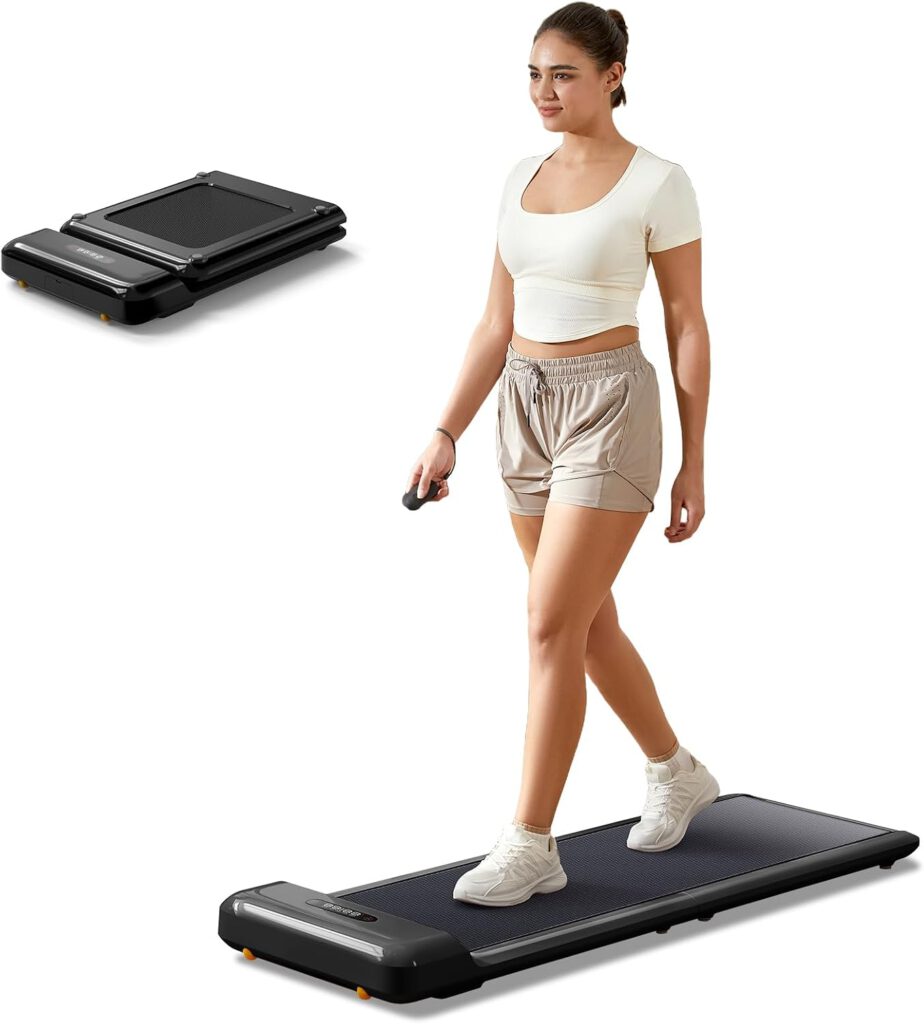
Low-profile treadmills help accumulate light-to-moderate activity indoors during poor weather or sedentary work.
Walking pads enable indoor walking when outdoor conditions prove difficult. The health benefit comes from the walking itself rather than the device. Accumulating daily steps during video meetings or television viewing turns sedentary time into light activity. Check maximum speed and user-weight limits, place the unit on stable surfaces, and keep surrounding areas clear. Balance and safety matter; distracted walking while working may not suit everyone depending on speed, workspace, and task demands. Outdoor walking provides environmental and recreational benefits beyond indoor exercise, but convenience and weather sometimes favor indoor options.
1. Protein Powder and Other Protein Supplements
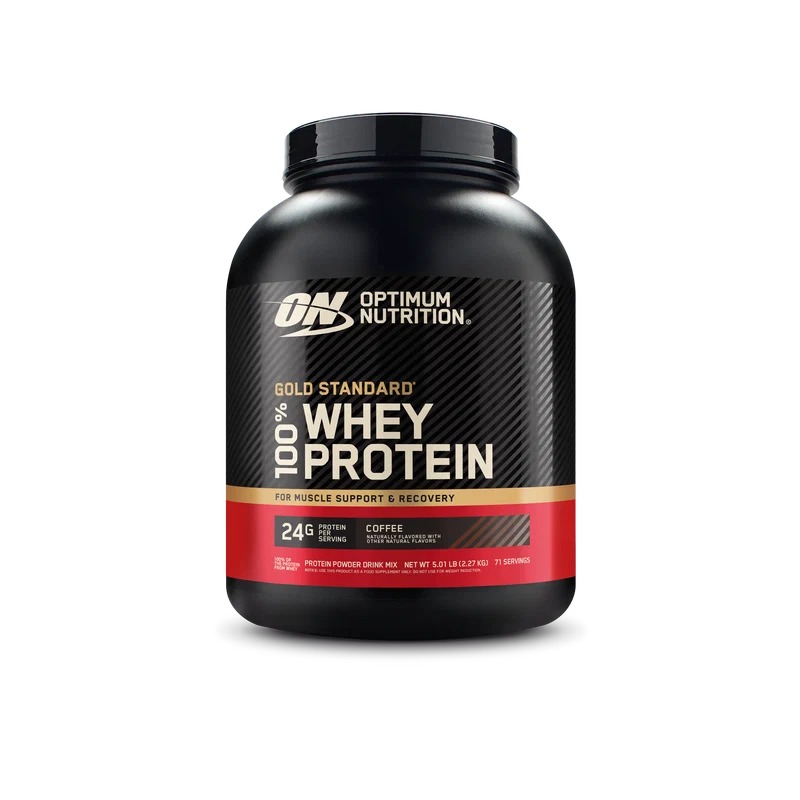
Supplements offer convenience when food-based protein is scarce, though whole foods provide additional nutrients.
Protein requirements vary by body size, age, activity level, health status, and goals. Whole-food sources including dairy, eggs, fish, meat, legumes, soy, nuts, and seeds provide protein plus vitamins, minerals, and fiber. Protein powders and bars help when convenience matters, particularly after workouts. Whey protein is complete in amino acids; plant proteins vary in composition, and blends improve coverage. Some report digestive symptoms with lactose-containing whey or certain plant formulations. Whey may worsen acne in susceptible individuals, though this isn’t universal. Compare protein content, added sugar, sweeteners, stimulants, and third-party certification before purchasing. Supplements function as tools rather than necessities when dietary intake proves adequate.