
The ketogenic diet transforms your metabolism into a fat-burning machine by limiting carbs to under 50 grams daily while prioritizing healthy fats. This metabolic shift into ketosis delivers impressive short-term results: significant weight loss, improved insulin sensitivity, and stabilized energy levels. Recent Stanford research even found keto can boost mental health, with participants experiencing 10% weight loss and 31% improvement in psychiatric scores. But like assembling Ikea furniture after six margaritas, keto has its pitfalls.
Navigating keto successfully requires avoiding common traps that can stall progress or leave you feeling miserable. These mistakes range from macro miscalculations to sneaky carb sources that kick you out of ketosis faster than you can say “bread basket.”
8. Ignoring Your Macro Calculations

Eyeballing portions works about as well as guessing your Netflix password.
Most keto newcomers think “low carb” means roughly cutting bread and pasta. The reality? Ketosis demands precision: 70-80% of calories from fats, 20-30% from protein, and just 5-10% from carbs. Without tracking macros through apps or food journals, you’ll likely over consume protein (which converts to glucose) or under consume fats, leaving your body confused about which fuel to burn.
Calculate your personalized macros based on age, weight, and activity level. Then track everything for at least the first month until portion awareness becomes second nature.
7. Falling for Hidden Carb Traps
That “keto-friendly” almond butter might be plotting against your ketosis.
Sneaky carbs lurk everywhere: nuts, dairy, condiments, and even some vegetables pack more carbs than expected. A handful of cashews contains 8 grams of carbs, while two tablespoons of ketchup add 8 more. These seemingly innocent choices accumulate quickly, potentially exceeding your daily 20-50 gram carb limit.
Read every nutrition label religiously. Focus on net carbs (total carbs minus fiber) and choose whole, unprocessed foods whenever possible.
6. Skimping on Quality Fats
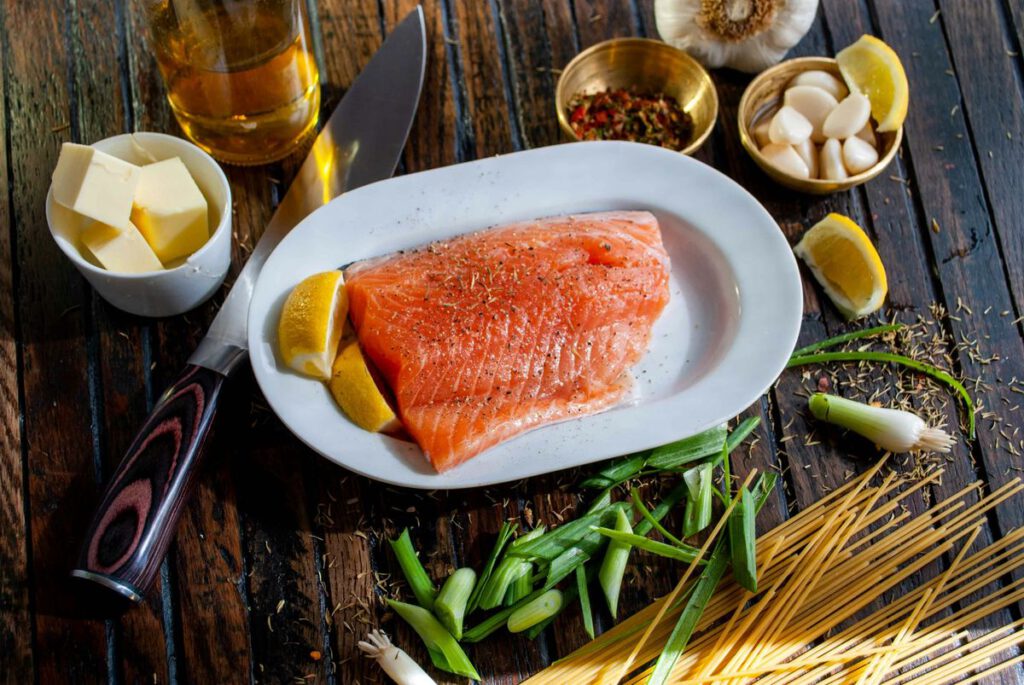
Treating all fats equally is like assuming all reality TV shows have the same entertainment value.
Not all fats fuel ketosis effectively. Processed oils, trans fats, and excessive omega-6 oils can trigger inflammation while providing poor nutritional value. Many beginners rely on processed “keto” snacks instead of nutrient-dense fat sources that support long-term health and sustained ketosis.
Prioritize avocados, olive oil, coconut oil, fatty fish, grass-fed butter, and nuts. These whole-food fats provide essential nutrients while keeping you satisfied and energized.
5. Ignoring Electrolyte Balance
Keto flu hits harder than Monday morning without coffee.
Ketosis triggers significant water loss, flushing out essential electrolytes like sodium, potassium, and magnesium. This depletion causes the dreaded “keto flu“: headaches, dizziness, fatigue, and muscle cramps that can last days or weeks. Many people quit during this phase, mistaking temporary adjustment symptoms for diet failure.
Supplement with 2-4 grams of sodium daily through sea salt or bone broth. Add magnesium and potassium supplements, and drink plenty of water to maintain proper hydration.
4. Overdoing the Protein
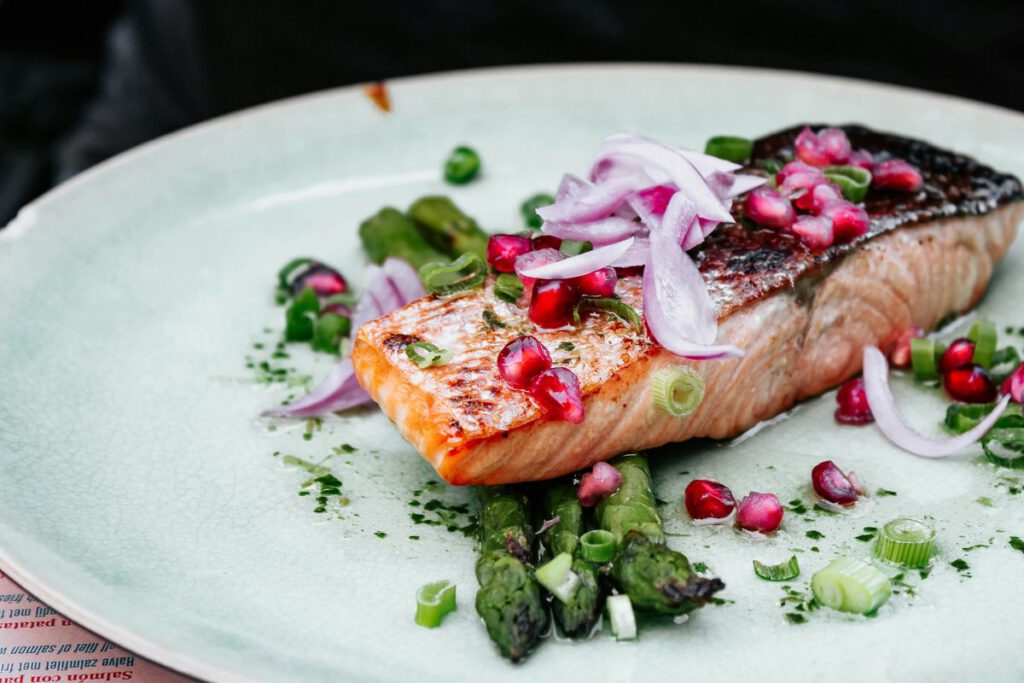
More protein doesn’t equal more muscle when your body starts treating it like a carb substitute.
Excess protein undergoes gluconeogenesis, converting to glucose and potentially disrupting ketosis. This mistake is especially common among fitness enthusiasts who assume high protein automatically supports muscle maintenance. Consuming more than 30% of calories from protein can interfere with fat adaptation and ketone production.
Stick to moderate protein portions: 0.8-1.2 grams per kilogram of body weight. Choose high-quality sources like organic meats, wild-caught fish, and eggs while keeping portions reasonable.
3. Frequent Cheat Days
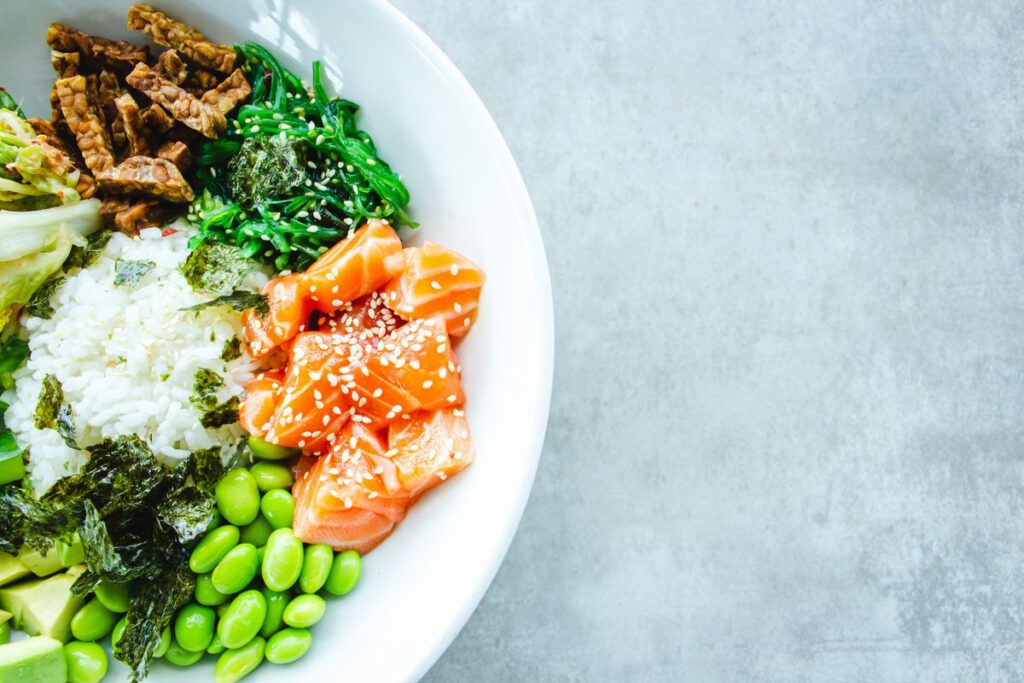
Bouncing in and out of ketosis is like repeatedly rebooting your computer—eventually, something’s going to crash.
“Cheat days” or “carb cycling” might work for other diets, but keto requires metabolic consistency. Each carb binge kicks you out of ketosis, requiring 2-4 days to re-enter fat-burning mode. This constant metabolic switching prevents full adaptation and maintains carb cravings, making long-term adherence nearly impossible.
Commit to at least 4-6 weeks of consistent keto to achieve full fat adaptation. Plan satisfying keto meals in advance to avoid impulsive carb consumption.
2. Restricting Calories Too Aggressively

Starving yourself while learning to burn fat is like trying to drive with the parking brake on.
Many dieters combine keto with severe calorie restriction, hoping to accelerate weight loss. This approach backfires by slowing metabolism, increasing stress hormones, and making adherence unsustainable. Your body needs adequate fuel to successfully transition from glucose to fat burning.
Eat to satiety with proper keto macros. The natural appetite suppression from ketosis and stable blood sugar will regulate calorie intake without forced restriction.
1. Avoiding Vegetables
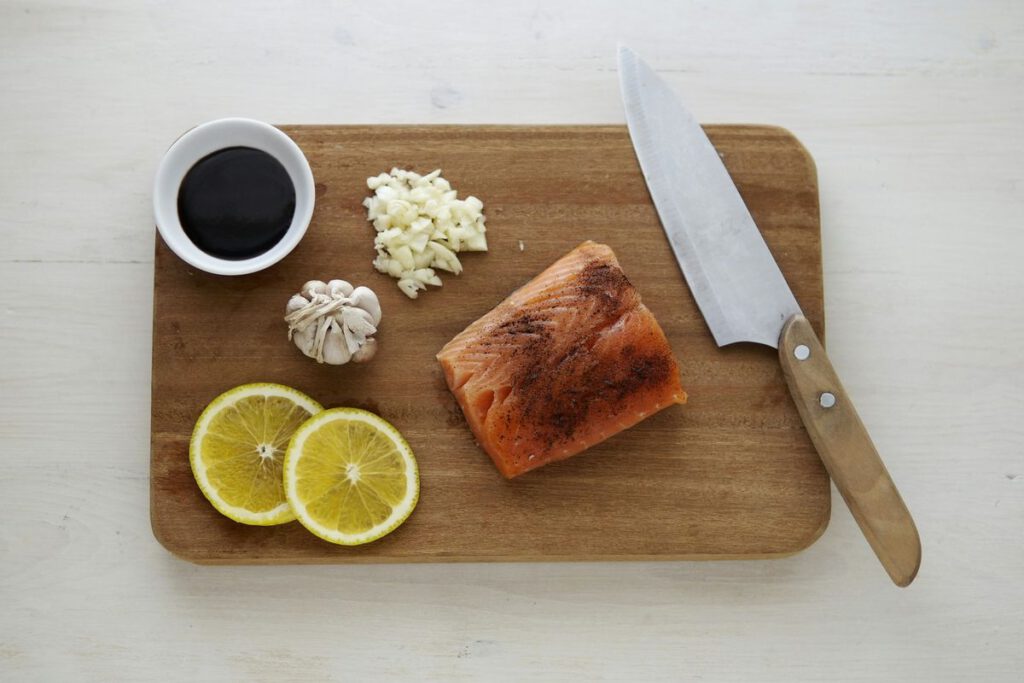
Going full carnivore might sound hardcore, but your gut bacteria are staging a revolt.
Some keto enthusiasts eliminate vegetables entirely, fearing carbs while missing crucial micronutrients and fiber. This extreme approach can lead to digestive issues, nutrient deficiencies, and unsustainable long-term eating patterns. Low-carb vegetables provide essential vitamins, minerals, and fiber that support overall health.
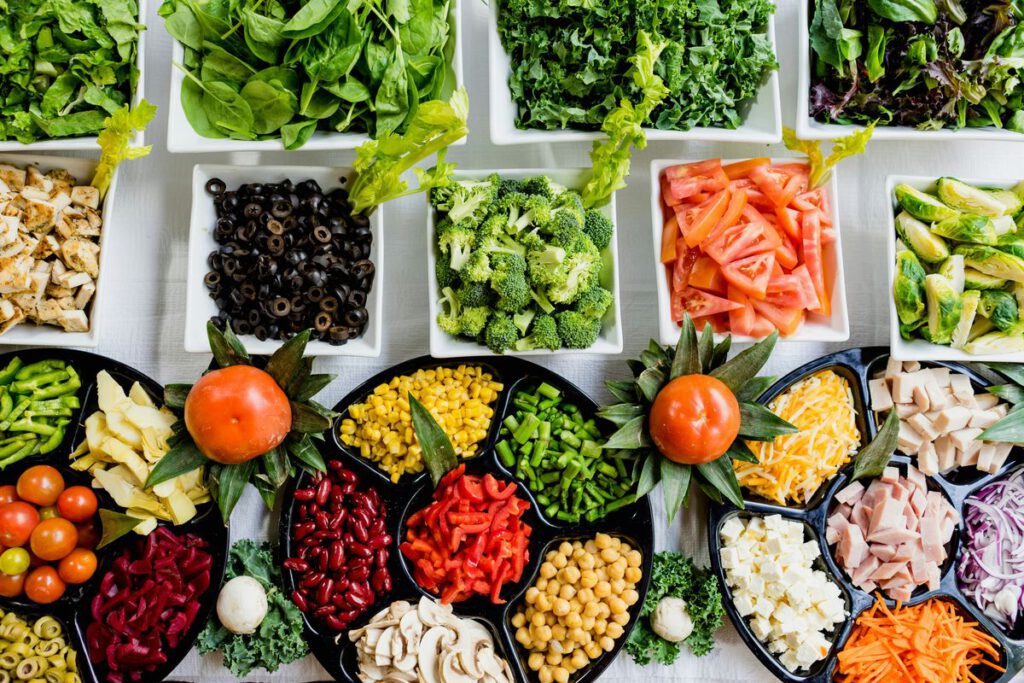
Include 2-3 servings daily of leafy greens, broccoli, cauliflower, zucchini, and other low-carb vegetables. These foods enhance nutrition while keeping carb counts manageable and meals interesting.
Success with keto isn’t about perfection—it’s about understanding the rules well enough to make informed choices. Master these fundamentals, and you’ll navigate ketosis like a seasoned pro rather than someone frantically googling “why am I not losing weight” at 2 AM. Your future, fat-adapted self will thank you.