Chronic brain inflammation drives memory loss and cognitive decline, but Texas A&M researchers just cracked the code with a simple two-dose therapy. Brain fog isn’t just caffeine withdrawal. The culprit behind your missing car keys and forgotten names has a technical term: neuroinflammaging. This chronic inflammation slowly erodes your hippocampus like rust on a classic car. But researchers at Texas A&M University just developed something that sounds straight out of Netflix’s sci-fi catalog—a nasal spray that actually reverses brain aging.
The Technology Behind the Breakthrough
Microscopic delivery vehicles bypass your brain’s security system entirely.
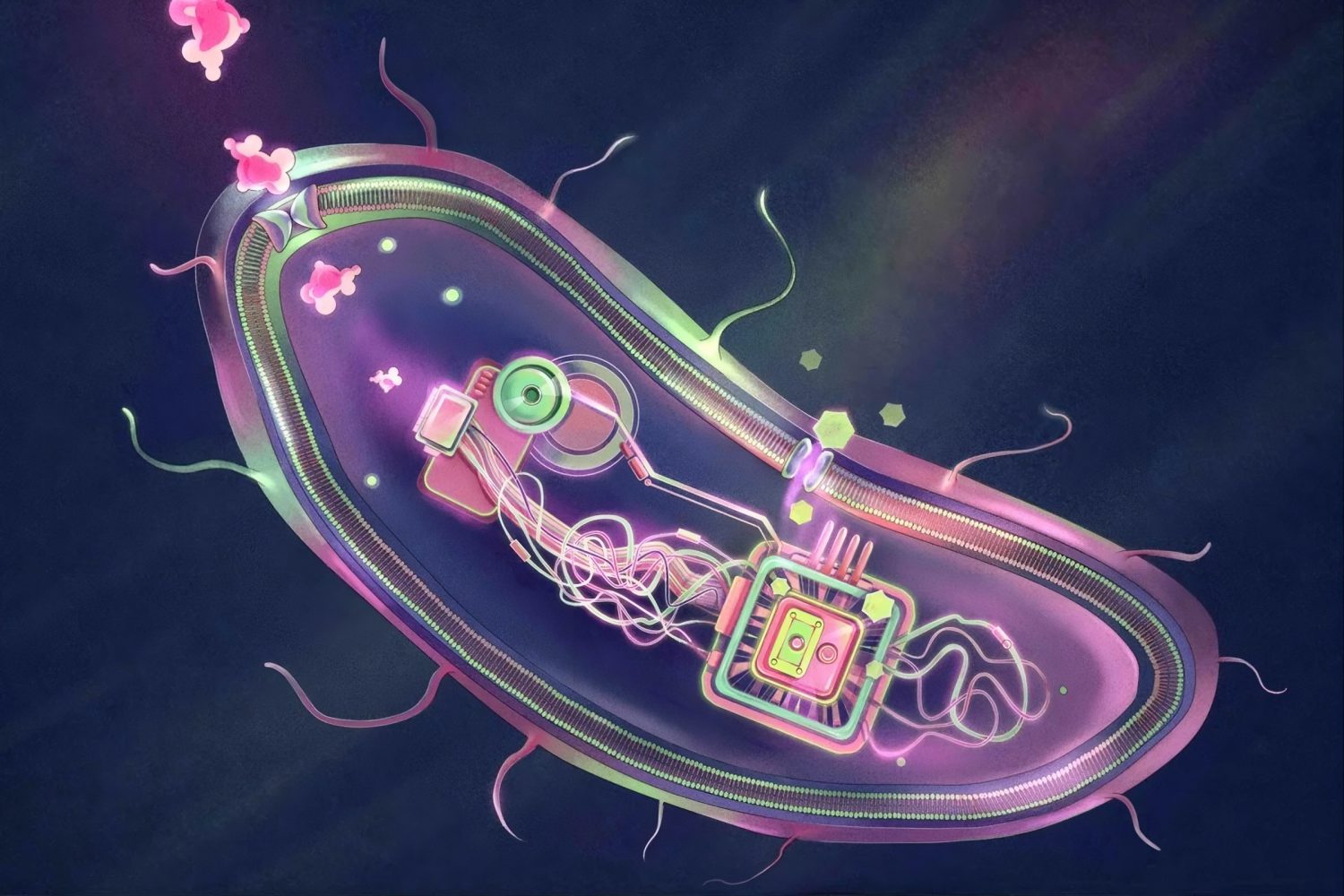
The spray delivers extracellular vesicles loaded with microRNAs directly through your nose to your brain. Think of these vesicles as molecular Uber drivers, carrying cargo that rewrites your brain’s inflammatory response. “MicroRNAs act like master regulators,” explains Dr. Madhu Leelavathi Narayana, one of the study’s co-authors.
These tiny messengers travel via olfactory nerves, completely sidestepping the blood-brain barrier that typically blocks treatments from reaching damaged brain tissue. Once inside, they target specific inflammatory pathways that have been wreaking havoc on aging brains for decades. The therapy essentially tells your overactive immune cells to chill out and start repairing instead of destroying.
Results That Sound Too Good to Be True
Two doses restored cognitive function in aging animal models within weeks.
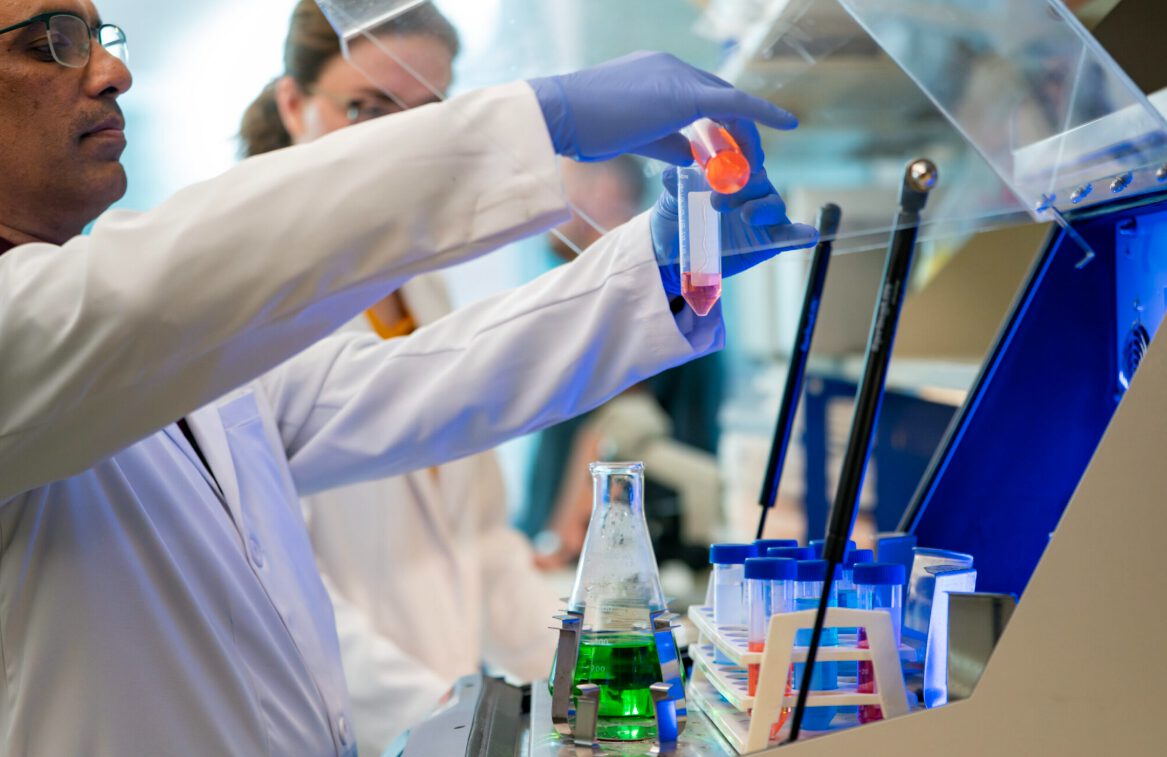
The Texas A&M team, led by Dr. Ashok Shetty, tested their spray on aging animal models and found something remarkable. Cognitive improvements appeared within weeks and lasted for months. Even more surprising? The treatment worked equally well in both male and female subjects—a rarity in neuroscience research where biological sex often creates vastly different outcomes.
Behavioral tests showed restored novel object recognition and improved environmental adaptation. The animals’ mitochondria—cellular powerhouses that typically sputter with age—recharged like brand-new batteries. “A simple, two-dose nasal spray could one day replace invasive procedures,” Shetty noted.
What This Means for Your Aging Brain
The shift from inevitable cognitive decline to reversible brain aging starts here.
This breakthrough suggests your brain’s aging process isn’t a one-way street. With dementia cases projected to double by 2060, a non-invasive treatment could disrupt the entire $50 billion anti-aging market. Texas A&M has already filed a U.S. patent, positioning the technology for eventual clinical development.
But temper expectations. Human trials remain years away, requiring extensive preclinical safety testing. The researchers haven’t disclosed potential side effects or long-term impacts. Still, the National Institute on Aging is backing this research for good reason.
Your smartphone gets software updates to run better. Soon, your brain might get them too.