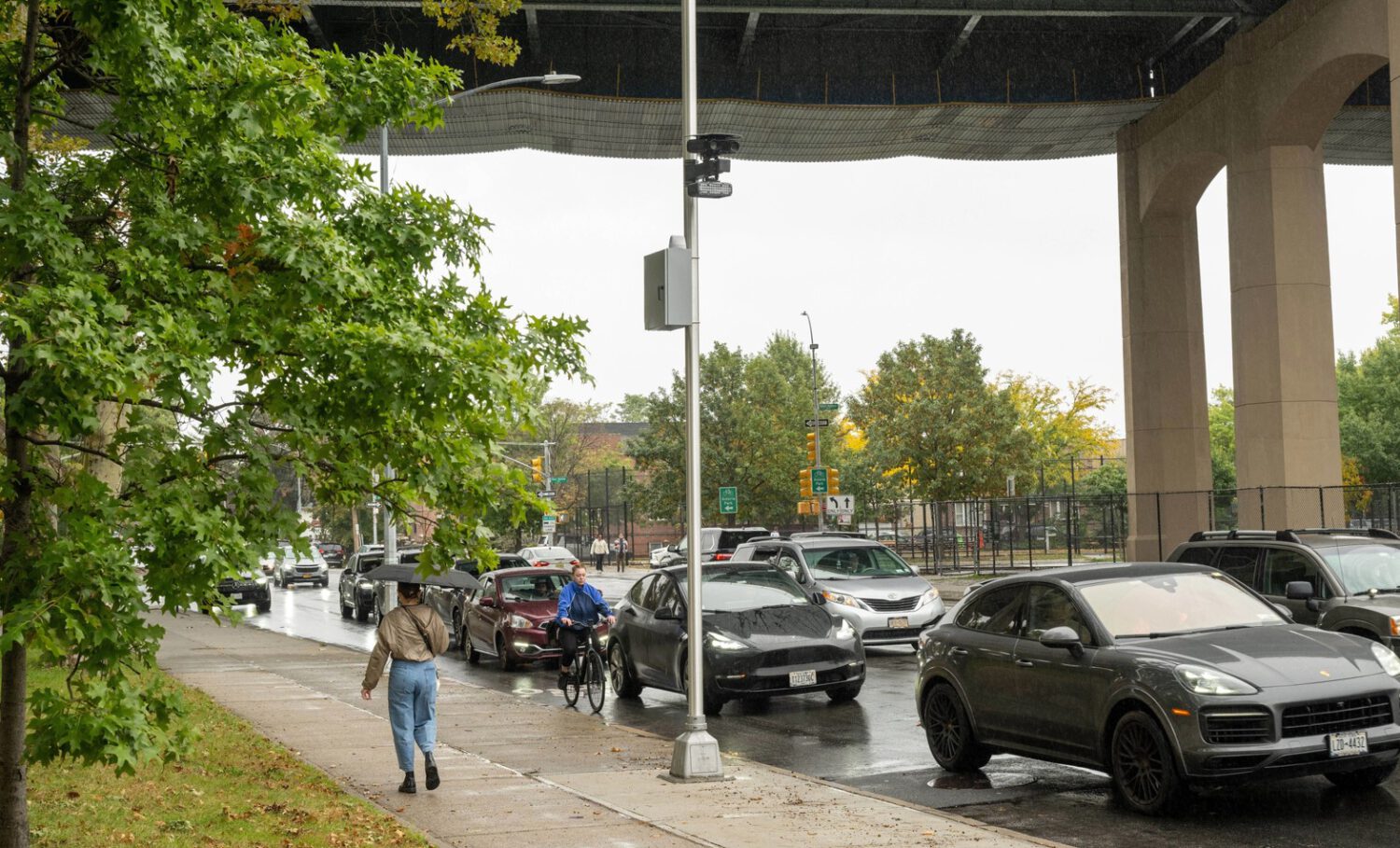
More than 120 automated cameras across Waukesha County have been logging vehicle plates, locations, and timestamps, and according to the plaintiffs, no warrant has been required before officers search the resulting database to reconstruct where your car has been.
That question is now before a federal court.
NoCams Muskego, Citizens Defending Liberty, and Waukesha County resident Donavan Haidinger filed suit against Waukesha County and 11 municipalities, represented by the Wisconsin Institute for Law and Liberty. The complaint seeks a declaration that officers must obtain a warrant based on probable cause before searching Flock Safety’s location database, subject to recognized exceptions such as emergencies.
What the Network Actually Does
Flock cameras do more than snap a plate; they feed a searchable database that participating agencies can query across jurisdictions.
Flock Safety cameras capture a vehicle’s plate, location, and timestamp. Networked agencies can then search data collected across participating jurisdictions, not just their own.
According to the complaint, a Flock database search can surface past vehicle movements across participating agencies, present location data tied to a specific plate, and pattern-based inferences about travel behavior.
The complaint alleges that Muskego officers ran more than 300 searches through just nine cameras during a specified period. That figure comes from the lawsuit; no court has independently verified it.
A single plate read is a data point. Three hundred searches across a networked system starts to look like a surveillance portfolio, and that volume is exactly what the plaintiffs argue the Fourth Amendment was designed to address.
The Legal Question Nobody Has Answered
The constitutional dispute is not about whether a car is visible on a public road; it is about what happens when months of those observations are compiled into a searchable record.
The plaintiffs argue that aggregating location records over time creates something constitutionally different from a single roadside observation. A federal judge in Oklahoma recently reached the same conclusion.
In United States v. Melisa Susan Kyle, a federal trial court in the Northern District of Oklahoma held that a month-long warrantless search of license-plate reader data intruded on the defendant’s reasonable expectation of privacy in her physical movements. The court suppressed the evidence as a result.
That ruling is from a trial court outside the Seventh Circuit and carries persuasive weight in Wisconsin rather than binding authority. Both sides cite legal authority that supports their position, and the case will turn on which framework the federal court finds more convincing.
The municipalities’ counter is clear: vehicles travel on public roads, and the defense argues that Flock identifies vehicles rather than people. Defense attorneys have also noted that other courts have rejected similar Fourth Amendment challenges, and they have sought to dismiss the case after it was removed from Waukesha County Circuit Court to the U.S. District Court for the Eastern District of Wisconsin.
What Responsible ALPR Governance Actually Looks Like
The lawsuit reveals a set of policy questions that local agencies have not publicly resolved, and those gaps are worth examining regardless of how the litigation ends.
The complaint alleges that the defendant agencies do not require warrants or probable cause before database searches. The plaintiffs also raise concerns about data retention and interagency access, though the specific scope of those policies has not been independently established from the available sources.
None of that automatically makes the municipalities bad actors. It does reflect a pattern common to ALPR deployments: technology adopted quickly, with governance structures built slowly if at all.
If you live in one of these 12 jurisdictions, that governance has not yet caught up. Responsible ALPR policy would include clear warrant requirements for historical searches, defined data-retention windows, mandatory audit logs, and transparent interagency sharing agreements.
The Stakes Either Way
A ruling in either direction sets a template for every Wisconsin agency running automated license-plate reader systems.
A decision requiring warrants could prompt agencies across the state to revise their search protocols significantly. A dismissal would leave the current framework intact, at least until a higher court or the legislature weighs in.
For residents in Waukesha County, and potentially in every county where cameras like these operate, that outcome deserves close attention.