Physical fencing has shaped cattle management for generations, but Halter is betting a solar-powered collar and a mobile app can do the job better. Peter Thiel’s Founders Fund led a $220 million Series E financing round in the New Zealand agtech startup, placing Halter’s post-financing valuation at approximately $2 billion.
That figure reflects what investors believe the company is worth, not the total amount raised or any personal sum invested by Thiel. The distinction matters: $2 billion is a valuation, not a check.
How the Collar Actually Works
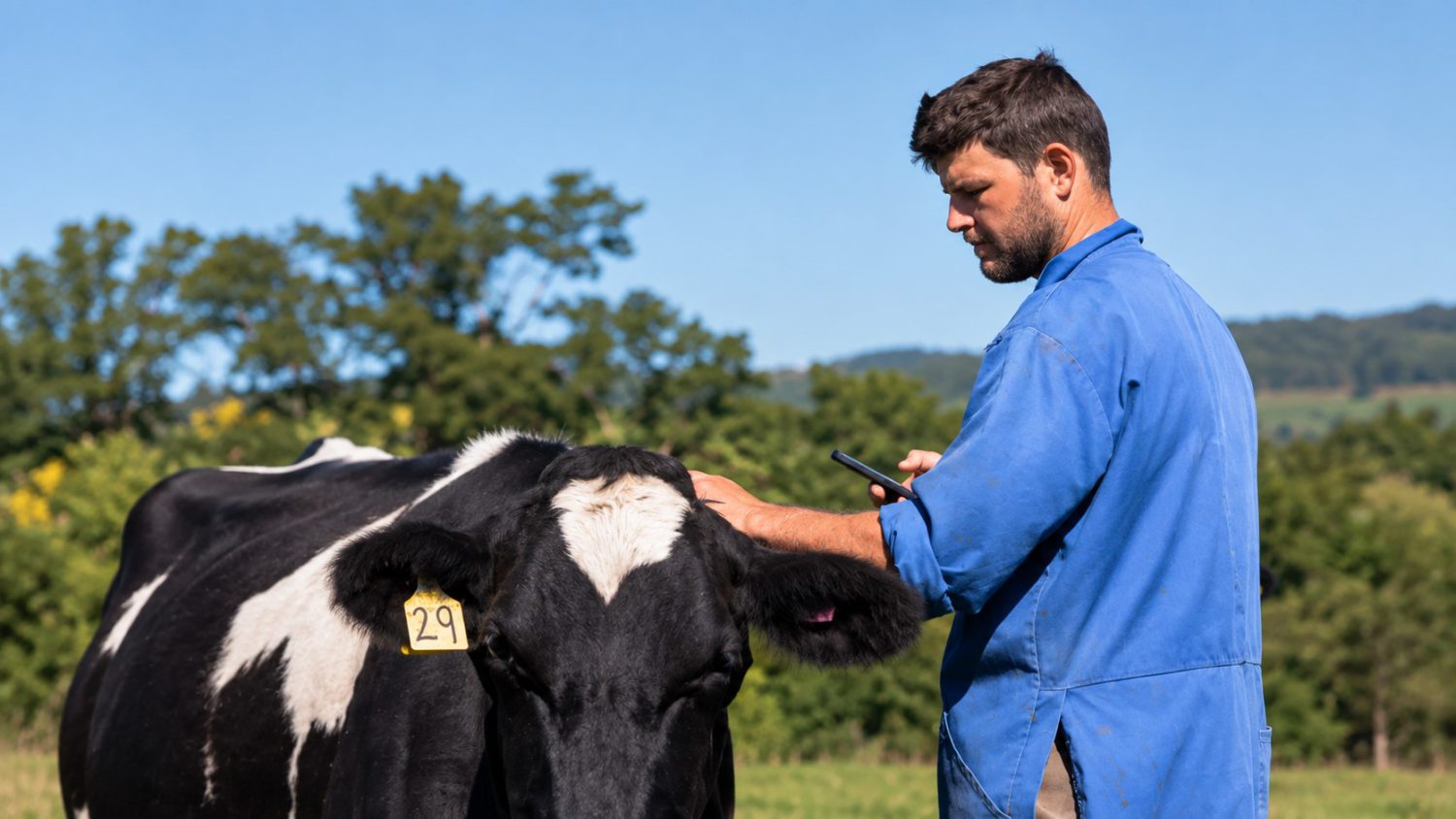
Halter replaces physical wire with a software-defined boundary that farmers manage from a smartphone.
Virtual fencing is a digital boundary a farmer draws on a mobile app, with no wire or posts required. When a cow approaches that edge, the collar responds with audio and vibration cues designed to redirect its path.
Reporting from Inc. and other outlets indicates the collar may also deliver a mild electrical pulse if an animal ignores the earlier cues. Independent verification of how frequently that function activates, or how it is regulated across different markets, is not available in current sources.
The hardware runs on solar power and uses GPS and wireless connectivity to communicate with Halter’s cloud platform. Farmers can monitor and move their herds remotely through the app, potentially reducing the need for vehicles, gates, and repeated trips across large pastures.
The Data Play Behind the Hardware
The subscription model turns every additional animal into both recurring revenue and a new source of behavioral data.
Halter charges farmers a recurring subscription rather than a one-time hardware fee. Reports cite approximately $5 to $8 per animal per month, though one industry source describes a starting range closer to $6 to $10 depending on herd size and market, with a possible one-time infrastructure fee.
That recurring structure means revenue grows with herd size. Each additional animal also expands the behavioral dataset behind Halter’s proprietary analytics system, which the company calls the Cowgorithm.
Halter says it has collected more than seven billion hours of animal-behavior data to inform that system. Treat that figure as a company-attributed claim, not an independently audited measurement.
The analytics layer reportedly monitors location, movement patterns, eating behavior, fertility-related signals, and early indicators of illness or calving. Those functions are best understood as monitoring and predictive-support tools, not veterinary diagnoses.
Why Investors Are Paying Attention
Labor shortages and the high cost of physical infrastructure across large ranches make a connected collar an appealing alternative.
Physical fencing across large grazing operations is expensive to install and difficult to maintain. A collar that can move a herd, surface potential health concerns, and support pasture rotation from a smartphone addresses several of those pressures at once.
Alongside Founders Fund, participating investors include Blackbird, DCVC, BOND, and Bessemer, according to Halter’s Series E announcement. The company also lists NewView, Ubiquity, Promus, and Icehouse Ventures among those involved in the round.
Halter is based in New Zealand and says it will expand commercial and field operations in the United States, Australia, Ireland, and the United Kingdom. The company reports that one million solar-powered collars have been sold, though collar sales and active animals currently using the system are not the same measure.
The real test is not the valuation. It is whether a subscription collar can reliably replace the economics of wire, gates, and a pickup truck. The terrain, connectivity conditions, and regulatory environments where cattle actually live will decide that.