One stolen roadside camera. One reverse-engineering session. The result: roughly 1.6 million images, records on 50,200 vehicles, and approximately 27,000 short video clips recovered from a single device covering just 21 days of traffic.
That finding matters to anyone who has driven past a Flock Safety automated license-plate recognition camera. It reveals a specific and underreported vulnerability: sensitive surveillance data can live on the physical hardware itself, accessible to whoever holds the device.
What the Researchers Found
Physical possession of a stolen Flock camera reportedly unlocked a substantial trove of locally stored vehicle records.
According to Fox29, a man removed a Flock Safety camera from its roadside installation and reverse-engineered it. Researchers reportedly found both encrypted and unencrypted storage on the device, along with an encryption key stored on the camera itself.
The recovered material spanned approximately 21 days and included around 1.6 million images and roughly 27,000 short video clips tied to about 50,200 vehicles, according to Fox29 reporting.
A Device Breach Is Not a Cloud Breach
The distinction between on-device storage and cloud-platform security is the most important thing to understand here.
A former Secret Service cybercrime expert, cited by Fox29, said the incident does not appear to have compromised Flock’s broader cloud platform. Physical access to roadside hardware and unauthorized access to a cloud service are two separate threat surfaces. Conflating them misrepresents what actually happened.
Device security, local data storage, encryption key management, and cloud-service security are four distinct problems. This case raises serious questions about the first three; it does not establish a breach of the fourth.
What Flock Says Its Cameras Actually Capture
A viral social media post inflated the camera’s capture rate; the verified numbers are notable enough on their own.
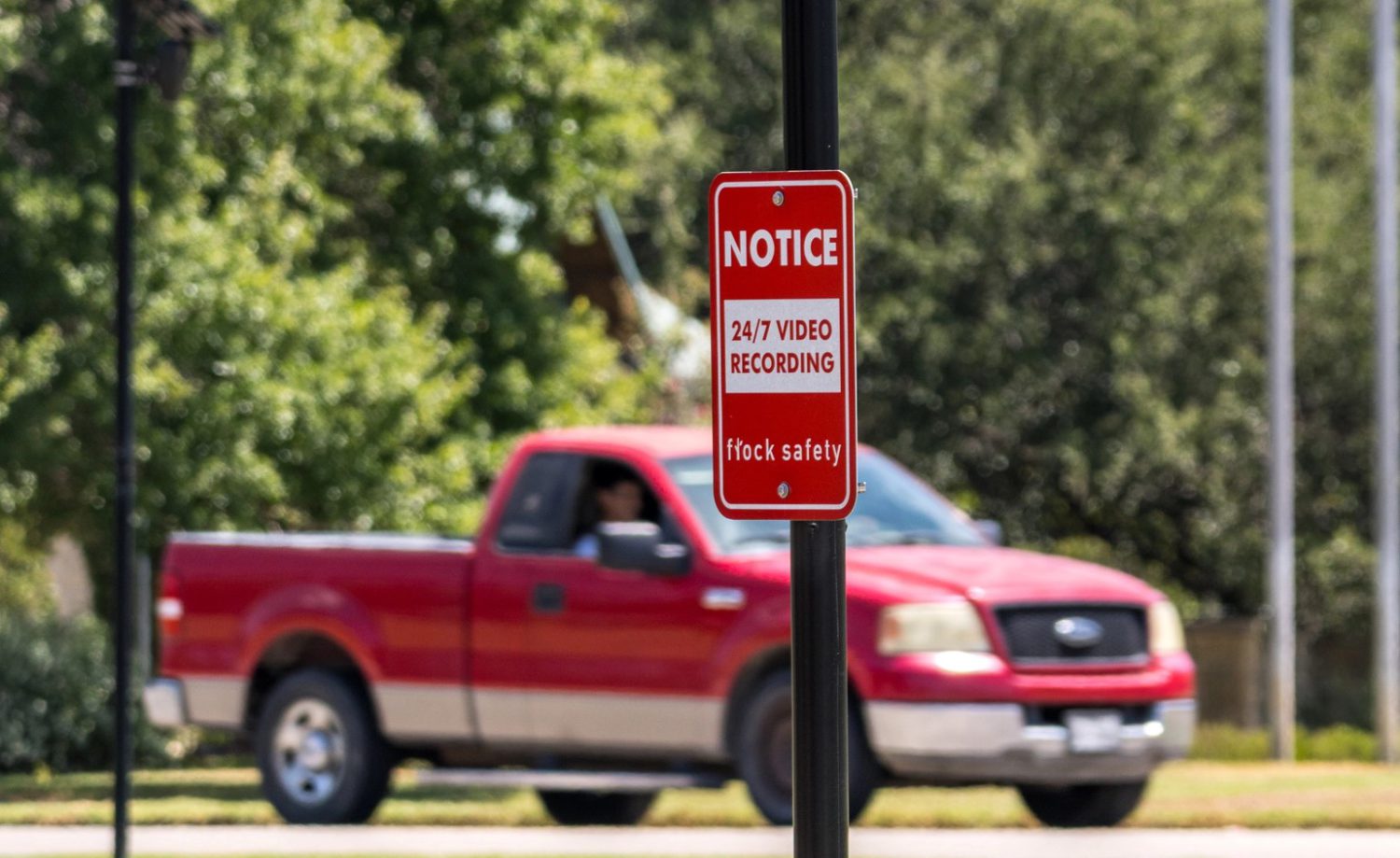
Flock says its cameras photograph vehicles visible from public roads, recording license plates and limited vehicle characteristics such as color and make. According to Flock’s published FAQ, the cameras capture roughly six to twelve images per vehicle pass. Flock also says its cameras do not use facial recognition or identify people inside vehicles.
A figure of “23,040 license plates per second” circulated on X, attributed to account @kirawontmiss, and helped surface this story to wider attention. That number is not supported by available evidence and is inconsistent with Flock’s own documentation; treat it as social media framing, not a technical benchmark.
Flock has said that stolen or damaged equipment can interrupt investigative leads and time-sensitive alerts, and that it works with law-enforcement agencies to investigate such cases.
Cameras Vandalized or Stolen Across 36 States
The stolen device is one incident within a sustained and widening wave of anti-surveillance activity targeting Flock hardware nationwide.
NPR reported vandalism or theft of Flock cameras in at least 36 states as of summer 2026, with incidents including cameras being sawed down, shot at, covered, and crashed into. A Minnesota man was charged after allegedly stealing a camera from its mounting pole; an Arizona man faces accusations of tilting a camera toward the sky to obstruct it.
In Oviedo, Florida, police deployed a decoy bait camera after real units were stolen. A 24-year-old man was arrested after allegedly cutting it down and smashing it, according to Click Orlando, even though the decoy was incapable of collecting any license-plate data.
What It Means for You
If your vehicle passes one of these cameras, your plate and vehicle characteristics may be written to local storage on a roadside device. The question now facing vendors and the municipalities that deploy their hardware is straightforward: how much sensitive information should sit on equipment that can be physically removed and examined? Readers reconsidering these trade-offs may also want to evaluate home security systems as an alternative approach to neighborhood safety.