Shoppers know the exact moment. Apple Watch raised, hovering near the terminal, waiting for that satisfying haptic confirmation — and nothing. Then the cashier’s polite-but-practiced look. Then digging for a card like it’s 2015. That moment, at least at Walmart, is almost over.
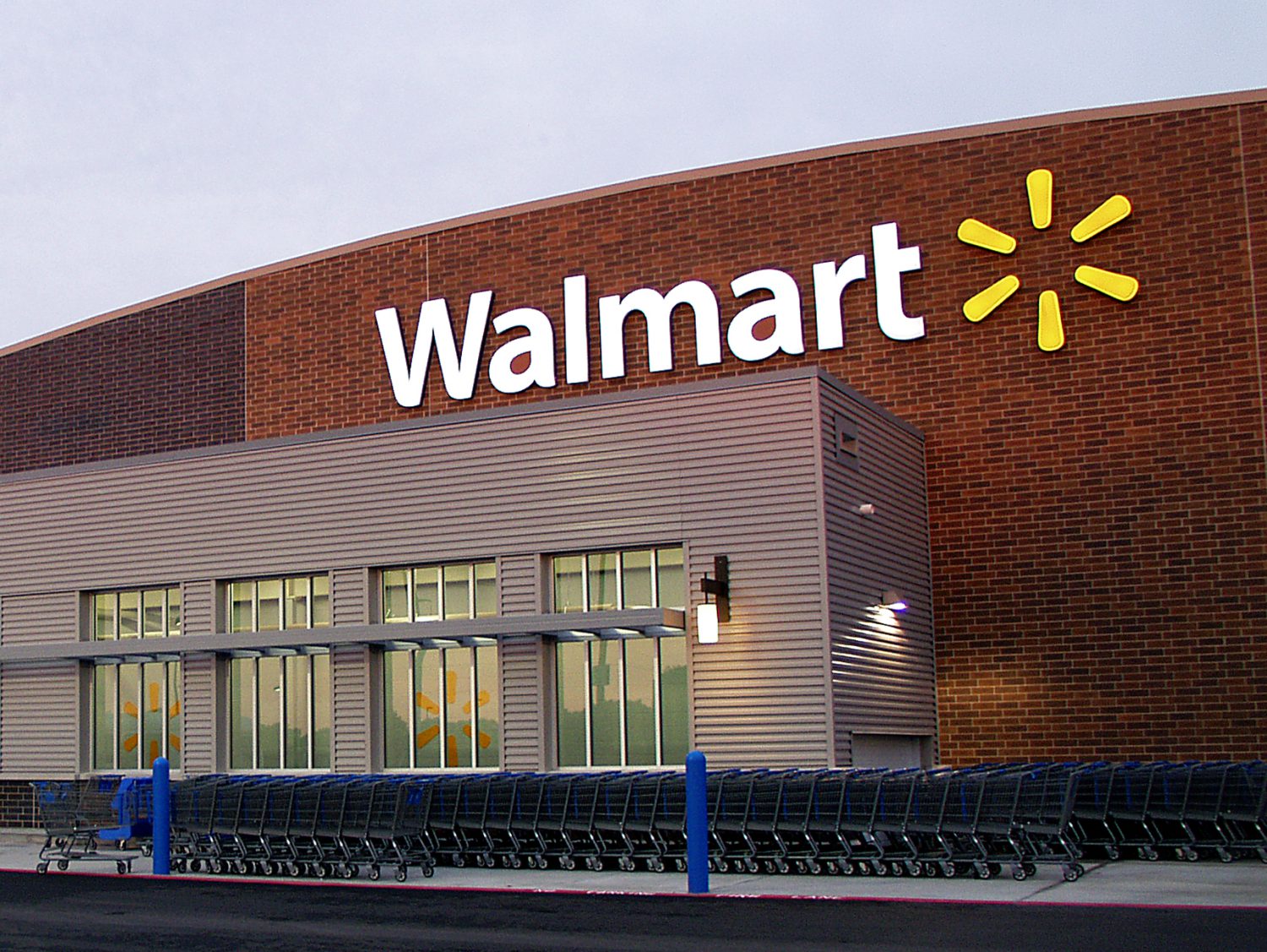
Starting August 24, Walmart is rolling out NFC tap-to-pay across U.S. stores and Sam’s Club warehouses. Apple Pay, Google Pay, contactless cards, compatible smartwatches — all of it, finally. Walmart is America’s largest retailer by sales. Target, Costco, and Kroger moved to NFC years ago. Walmart held out longer than anyone thought reasonable.
What’s Actually Changing at Checkout
Selected stores go live August 24; every U.S. location targets year-end 2026.
Walmart’s rollout begins at selected stores this week and scales to all U.S. Walmart and Sam’s Club locations by end of 2026, according to TechCrunch. Fuel stations follow by mid-2027. Walmart’s official language pointedly says “eligible contactless card, phone, or smartwatch” — carefully avoiding naming Apple outright — but a spokesperson confirmed to Business Insider that Apple Pay and Google Pay are included.
Here’s what’s live when your store gets the upgrade:
- Tap-to-pay at selected locations from August 24, 2026
- Full U.S. Walmart and Sam’s Club rollout by end of 2026
- Fuel stations upgraded by mid-2027
- Apple Pay, Google Pay, contactless cards, and compatible smartwatches all supported
- Walmart, Sam’s Club, and OnePay cards loadable into digital wallets for tap use
“Younger consumers in particular are so used to using Apple Pay and tap-to-pay with their phones that they’re coming to expect it.” — Sky Canaves, principal retail analyst, Emarketer
Why Walmart Blinked – and What Comes Next
Proprietary payment ambitions meet a very public reality check.
For over a decade, Walmart pushed its own QR-based Walmart Pay and Scan & Go apps, keeping transaction data inside its ecosystem. That strategy made sense when mobile payments were niche. It stopped making sense when MrBeast — a creator with hundreds of millions of subscribers across platforms — went visibly confused at a Walmart terminal because tap-to-pay simply didn’t work, according to Business Insider. The gap between Walmart and everywhere else had become a punchline.
Supporting Apple Pay signals Walmart now values reducing checkout friction more than owning the payment stack. Walmart can still capture loyalty data by encouraging shoppers to load Walmart-branded cards into their digital wallets. The ecosystem play shifts, but doesn’t disappear.
This news also lands at a notable inflection point for Apple Pay itself. Jennifer Bailey, who built Apple Pay from its 2014 launch into a service generating an estimated $7.5 billion in annual revenue, is retiring in October after 20-plus years at Apple. Apple services chief Eddy Cue wrote in an internal memo: “Under Jennifer’s leadership, Apple Pay has changed the way hundreds of millions of our users pay.” No successor has been named yet.
Landing Walmart is the kind of win Bailey’s successor inherits on day one.
Closing the Walmart gap is a genuine consumer win — your physical wallet can stay in the car. The more interesting story is what Walmart builds on top of its new NFC infrastructure: loyalty integration, digital identity, omnichannel payments. That chapter hasn’t been written yet.