A $166 billion refund pool is flowing back through U.S. Customs and Border Protection. Apple collected roughly $2.2 billion. Amazon pocketed $600 million. Nike grabbed $300 million. The Tax Foundation estimated that Trump’s tariffs cost the average American household about $1,000 in higher prices during 2025, according to CNN. Your refund check? It doesn’t exist. That’s not a bureaucratic oversight — it’s how import law actually works. If you suspect you’ve been paying too much without realizing it, this is exactly why.
How $166 Billion Flows Back — And Who Gets It
The refund system was built for importers, not shoppers — and the numbers prove it.
The mechanics are blunt:
- CBP refunds go exclusively to the “importer of record” — the company that paid the tariff, not the consumer who absorbed the markup at checkout.
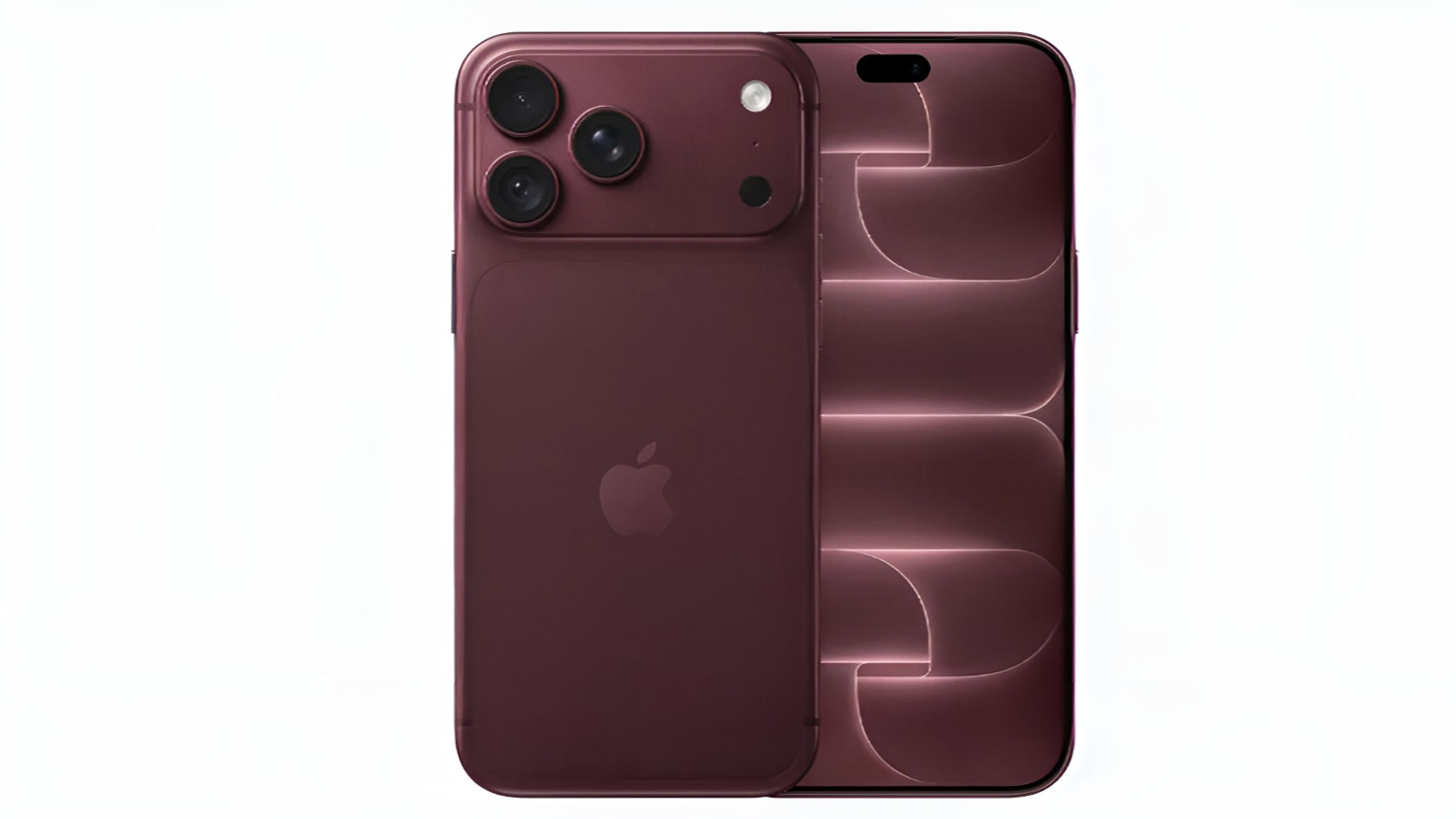
- Apple’s $2.2 billion windfall boosted its gross margin by roughly two percentage points in its fiscal third quarter, according to Yahoo Finance.
- Amazon and Nike together received roughly $900 million — $600 million and $300 million respectively — though Amazon CFO Brian Olsavsky described its share as “limited,” since the company prepositioned inventory and third-party sellers absorbed much of the duty burden, per CNBC.
- Trump’s proposed $2,000 tariff rebate checks to households? Floated. Never enacted. Never became law.
Here’s the concrete version of that legal wall. You bought sneakers whose price got bumped because Nike paid tariffs on imports. The Supreme Court ruled those tariffs illegal in February 2026. Nike gets its money back. You get the satisfaction of knowing justice was served — somewhere above your pay grade.
“We have identified a limited set of circumstances where we can trace that we passed specific import charges on to customers…we will proactively contact affected customers and automatically issue refunds to them.” — Amazon CFO Brian Olsavsky.
The catch: Amazon won’t disclose how many customers qualify or what the criteria are. A spokesperson declined to give CNN further details. “Proactively contact” is doing heroic work in that sentence.
What Companies Are Actually Doing With the Money
Corporate “returning value” messaging sounds generous until you read the fine print.
Costco CEO Roland Vachris promised to return value “through lower prices and better values” — not checks, according to CNN. Walmart and BJ’s made similar pledges. PepsiCo CEO Ramon Laguarta called the refund “very handy” for offsetting freight and energy costs tied to the war with Iran, per CNN — meaning consumers see none of it as a discrete line item. Think of it like a property manager promising to “reinvest in building improvements” after quietly pocketing your security deposit. Unsurprisingly, class-action lawsuits have been filed against Costco, Nike, and others by customers demanding something more tangible. Knowing how to Save Hundreds by recognizing when corporations profit through opaque pricing is increasingly essential.
Only Congress can create a consumer-level remedy — a tax credit, a direct payment, anything with your name on it. The Supreme Court’s ruling also narrows future presidential use of IEEPA for tariffs, potentially forcing reliance on traditional trade statutes with actual oversight. Until legislators act, your “cut” is a vague promise of maybe-lower prices on some future purchase — if the company feels generous. That’s not a refund. That’s a press release.