Macular degeneration steals your vision from the center out. Faces become smudges. Restaurant menus turn into abstract art nobody asked for. For millions of older adults with advanced age-related macular degeneration, that central blackout is permanent — or it was. Science Corporation’s PRIMA retinal implant just received CE mark approval for commercial sale in Europe, with first procedures expected in Germany. For patients who have spent years navigating life around a central visual blackout, this marks a meaningful shift from clinical trial to clinical reality.
How PRIMA Translates Light Into Sight
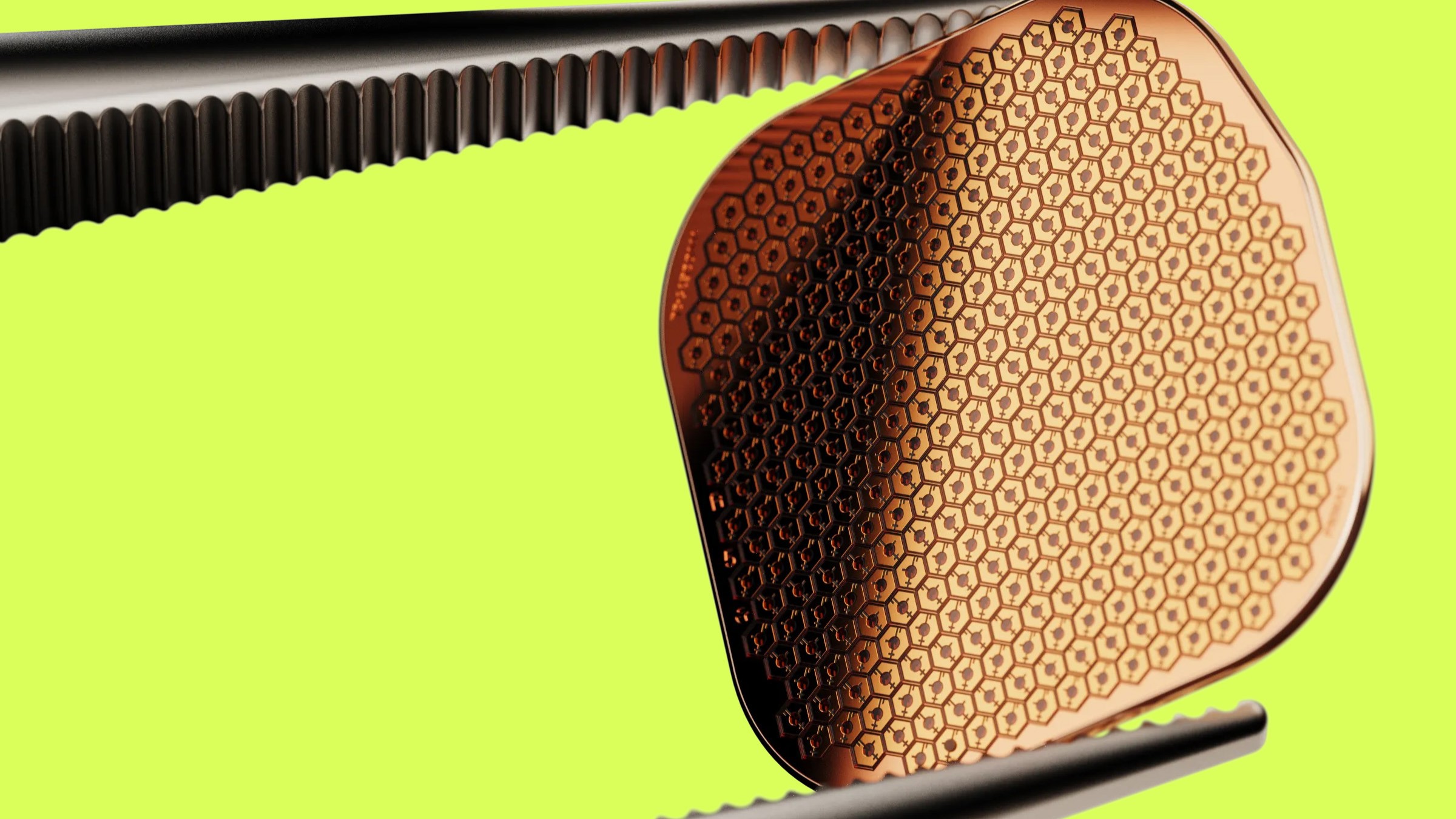
A batteryless 2mm chip implanted under the retina works with camera glasses to create usable vision from near-infrared light.
The system works like a very small, very precise AirDrop for your optic nerve. A 2mm-by-2mm photovoltaic chip — roughly 30 micrometres thick — gets surgically placed beneath the retina. No battery inside. Camera-equipped glasses capture the scene, then project near-infrared light onto the implant, which converts that signal into electrical pulses. Surviving retinal cells pass the information to your brain, which interprets it as shapes, text, and patterns.
Key details worth knowing:
- Designed specifically for advanced AMD and geographic atrophy
- Early clinical results show some patients regained the ability to read books, letters, and signs
- Requires surgery, recovery, and structured training
- The glasses and an external processor are essential — the implant does not work solo
- Expected cost: hundreds of thousands of dollars, with the company reportedly working on coverage options
What PRIMA Restores – and What It Doesn’t
Science CEO Max Hodak calls PRIMA a “cochlear implant for vision.” That framing matters. This is an assistive prosthesis, not a cure. Users describe seeing through a narrow central window — functional enough to read a sign, not enough to drive. For patients who have spent years in a central visual blackout, that narrow functional window represents a meaningful, honestly framed gain.
Neuralink’s Blindsight Is Still in the Trailer
PRIMA reaches commercial approval while competitors remain in preclinical development.
Neuralink’s Blindsight concept gets plenty of attention, but it has not entered human trials. PRIMA is already screening while Blindsight is still showing a pitch reel — the difference between a finished film and a compelling concept deck. Older electrode-array retinal prostheses exist, but PRIMA’s wireless photovoltaic approach represents a distinct generation of the technology.
For the roughly 200 million people globally living with AMD, the cost barrier remains brutal. Long-term durability data does not yet exist. But for patients walking into those first German clinics, this is a real step on a very long road — and the view, even through a narrow window, beats the dark.