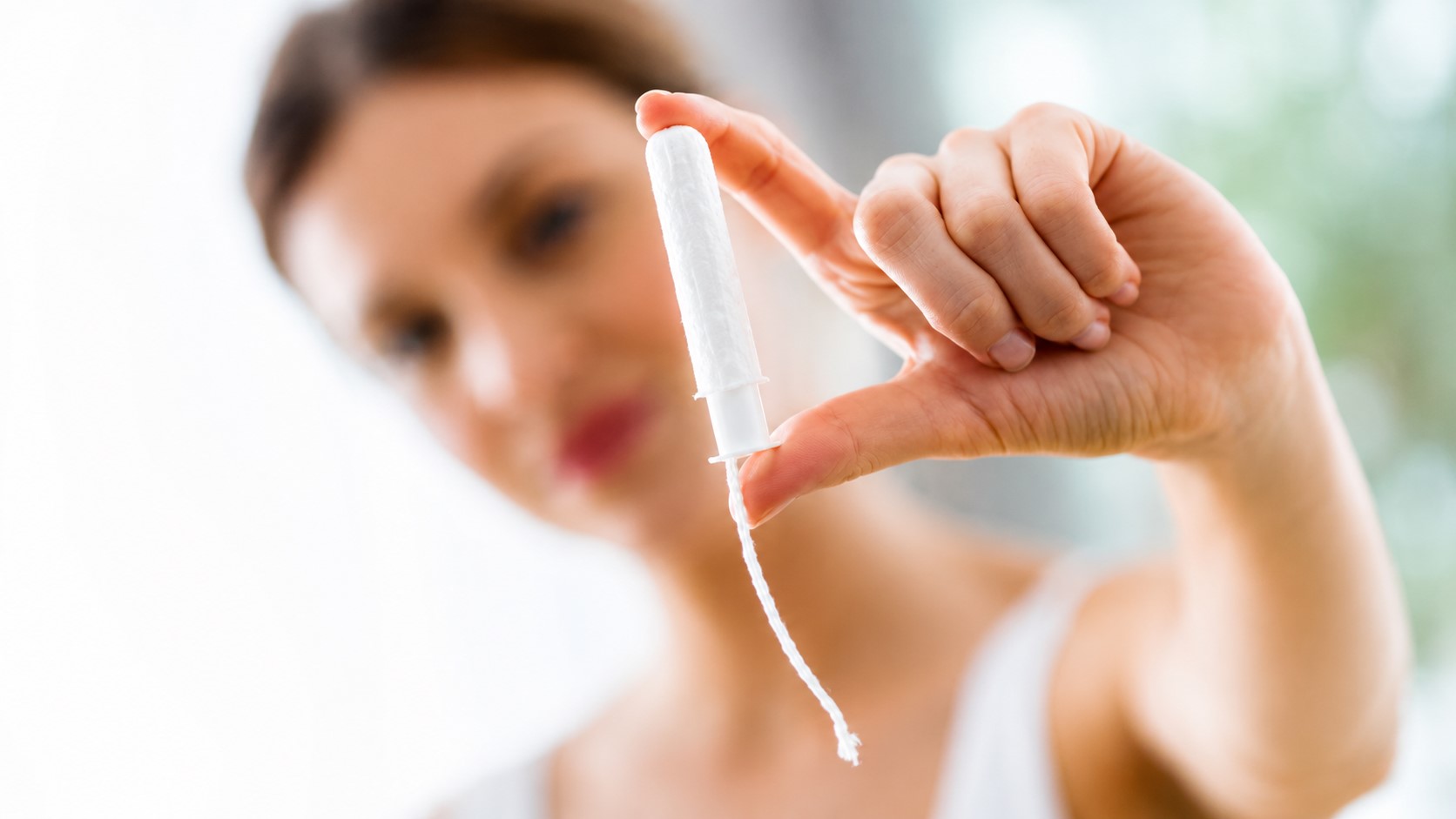
That tampon box in your bathroom cabinet — the one with “pure cotton” printed in reassuring earth tones — might contain the same class of synthetic chemicals found in Teflon pans and firefighting foam. A California lawsuit filed by seven women targets six major brands, including Tampax, Always, Always Discreet, and L. Organic, alleging their products contained PFAS, endocrine disruptors, carcinogens, and heavy metals. The defendants: Procter & Gamble, Kimberly-Clark, Edgewell, Essity, Prestige Consumer Healthcare, and The Honey Pot Company. The FDA classifies most menstrual products as medical devices — meaning nobody was required to tell you what was actually in them.
What the Testing Found
Independent studies have detected PFAS and heavy metals in menstrual products at levels researchers call concerning.
NGO-commissioned testing found PFAS in 48% of pads, 22% of tampons, and 65% of period underwear, according to results reported by Mamavation and Environmental Health News. A Notre Dame and Indiana University study detected total fluorine above 110 ppm in nearly 30% of reusable product samples — levels consistent with intentional PFAS waterproofing. Most striking: some period underwear exceeded 1,000 ppm. A 2024 UC Berkeley study separately found lead, arsenic, and cadmium in tampons, with researchers noting that vaginal tissue bypasses the liver’s first-pass metabolism during absorption — a meaningful distinction from oral exposure.
Key allegations from the lawsuit:
- Plaintiff Franco Lopez used the defendants’ products for 14 years
- She alleges endometriosis, ovarian cysts, PCOS, miscarriage, chronic pelvic pain, and multiple surgeries
- The suit claims companies failed to test, disclose, or warn consumers
- Kimberly-Clark has filed to move the case to federal court
A Harvard T.H. Chan School of Public Health study of 322 mother-daughter pairs found that mothers with higher levels of EtFOSAA — a specific PFAS compound measured during pregnancy — were 2.7 times more likely to have daughters later diagnosed with PCOS, and 2.3 times more likely to have daughters with moderate-to-severe acne in adolescence. The researchers stressed these findings represent association, not proven causation, and called for larger, more diverse studies to confirm results.
The EPA states that long-term PFAS exposure “can cause cancer and other serious illnesses,” according to agency fact sheets on PFAS health effects.
The Regulatory Gap States Are Rushing to Fill
Federal law doesn’t require ingredient disclosure for menstrual products, so states are writing their own rules.
Minnesota became the first state to ban PFAS in menstrual products, effective 2032. California, Vermont, Colorado, and Rhode Island are advancing similar legislation. Courts remain split on the litigation front — a judge dismissed a PFAS case against o.b. Organic for insufficient testing data, while Barton v. Procter & Gamble over alleged lead in Tampax Pearl survived a motion to dismiss and entered discovery. Thinx already settled a PFAS class action over period underwear, an early signal of where this litigation wave is heading.
Your “organic cotton” label tells you about the fiber. It says nothing about the applicator, the coating, or the absorbent layer underneath. Until federal disclosure rules close that gap, the distance between a marketing claim and a full ingredient list remains uncharted territory for most consumers.