A Model 3 owner in China reportedly strapped a Dwayne Johnson-style figurine head in front of Tesla’s cabin camera and drove for 30 minutes on Autopilot. Zero inattentiveness alerts. Not one. The driver wasn’t watching the road — and the system never noticed. This isn’t a quirky internet stunt. It’s a $15 crack in the foundation of Tesla’s driver-monitoring safety logic.
The Budget Safety Override
Tesla’s cabin camera checks for a forward-facing head — and apparently doesn’t care whether it’s alive.
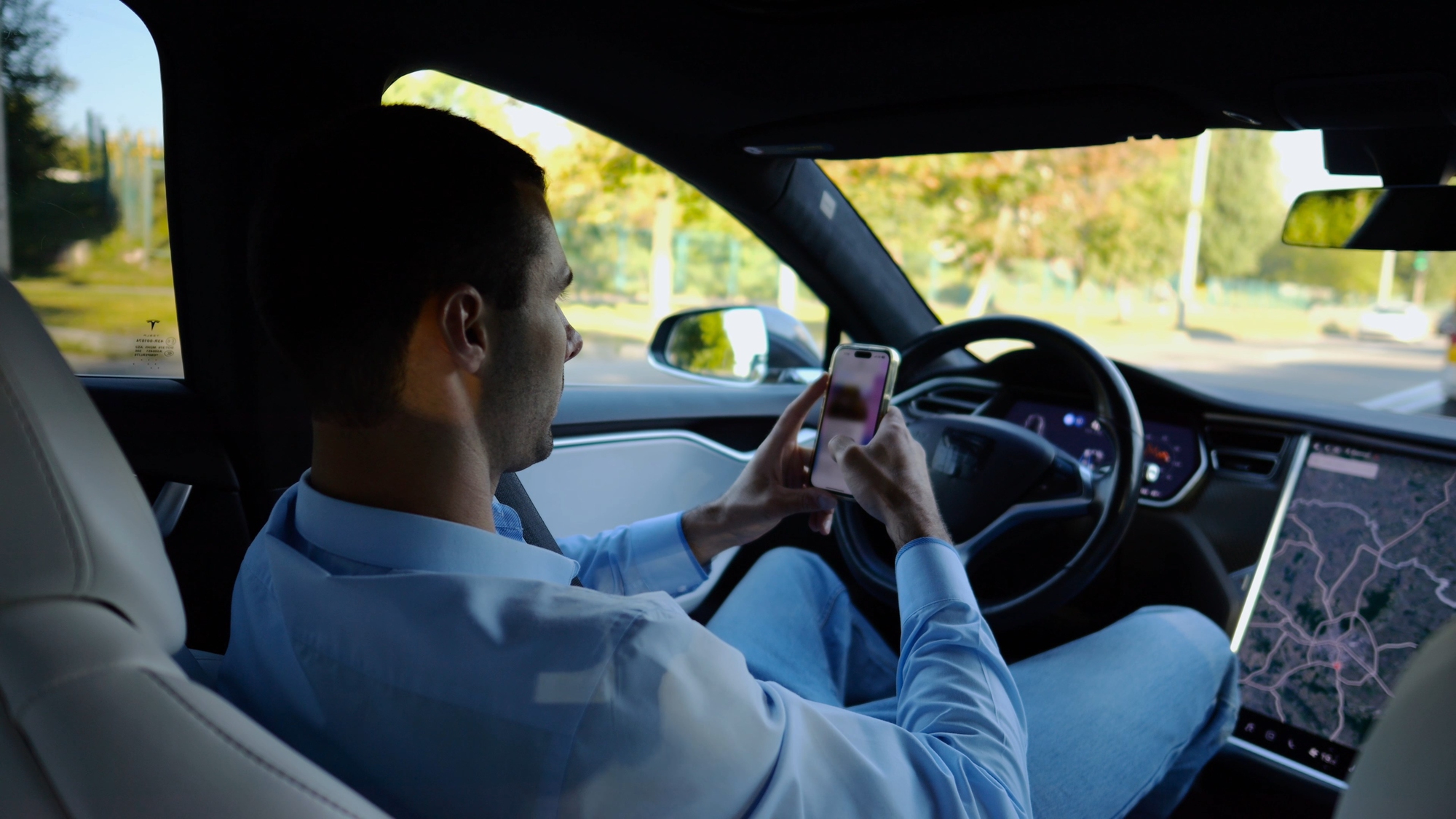
Tesla’s in-cabin front-facing camera tracks head position and eye direction when Autopilot or Full Self-Driving is engaged. Look away too long, and the system warns you. Keep ignoring it, and assisted driving shuts off. That’s the theory. The reality, according to Wired, is a niche market selling spoofing gadgets for $10–$40 on Chinese e-commerce platforms. Buyers reportedly use Tesla’s own Interior Camera Preview in the Service menu to fine-tune placement until the system registers the fake head as attentive.
Documented spoofing methods from China include:
- Miniature celebrity heads (ping-pong ball size minimum — go smaller and the camera can’t focus)
- Static printed photographs mounted on cardboard
- Lenticular images designed to simulate blinking when viewed from slightly different angles
- Small screens looping video of a face making natural micro-movements
One driver on a Chinese video platform reportedly advised buying a toy head “about the size of a ping-pong ball,” warning that anything smaller won’t register. That single detail tells you everything. The system runs on coarse size-and-position heuristics, not genuine liveness detection. It’s looking for a head-shaped object in the right place — not a living person paying attention to a road.
Tape, Stickers, and Toy Heads – A Pattern
Tesla’s vision systems keep getting outwitted by low-tech materials that cost less than a lunch.
This fits a stubborn pattern. Researchers previously showed that black tape on a 35-mph speed-limit sign caused Tesla’s system to read 85 mph and accelerate accordingly, per Business Insider. Stickers placed on road markings sent Autopilot into oncoming traffic, according to New Scientist. The doll-head hack targets the same architectural weakness: vision systems optimized for pattern recognition are vulnerable when patterns can be cheaply faked. Competitors like GM’s Super Cruise and Ford’s BlueCruise use active eye-tracking — not just head-shaped-object detection — which raises the bar considerably for anyone trying to spoof them with a figurine.
The safety stakes here extend well beyond the person sitting behind the fake head. Every other driver on that road became an unwilling participant in the experiment. Regulators could classify easily spoofed monitoring as a design defect, triggering investigations and updated standards for semi-autonomous systems. Expect mounting pressure toward multi-modal monitoring:
- Steering-wheel torque sensors
- IR depth sensing
- Biometric verification
Anything that renders a plastic figurine on a suction cup irrelevant. Tesla has not publicly commented on this specific exploit, per available reporting.
A system marketed as the future of driving got beaten by a toy and a suction cup. That gap between the promise and the plastic head isn’t just funny — it’s the kind of systemic vulnerability that regulators, safety researchers, and everyone sharing the road with an Autopilot-enabled Tesla should be watching closely. Near-term regulatory action may push automakers toward stronger liveness detection requirements. Until then, the burden falls on drivers to recognize that “assisted driving” still requires an actual, attentive human in the seat — not a convincing replica of one.