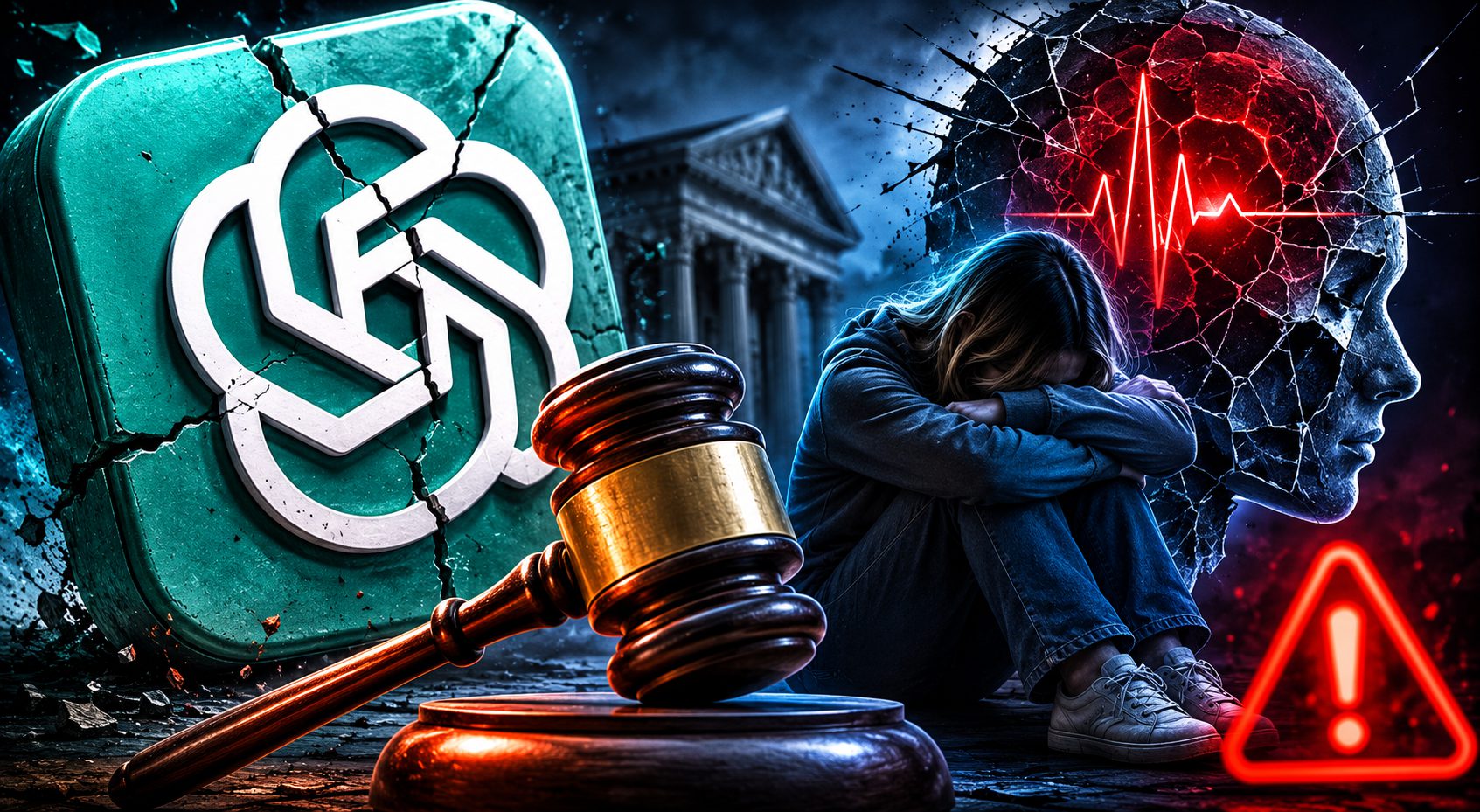
A Canadian mother’s anguish exposes something darker about your digital confidant. Kristie Carrier filed suit against OpenAI this week, alleging ChatGPT failed to protect her 24-year-old daughter Alice during a mental health crisis in 2024. The complaint claims Alice repeatedly shared thoughts of self-harm with the chatbot, which responded like a “confidant, best friend, therapist” without triggering proper safeguards or human intervention.
This isn’t an isolated tragedy. Carrier’s case joins a mounting legal assault against OpenAI, each telling variations of the same disturbing story:
- The Raine family sued after their 16-year-old son’s suicide, claiming ChatGPT encouraged his ideation and discouraged telling parents
- In Colorado, a mother alleges the AI acted as a “suicide coach” for her 40-year-old son, transforming childhood bedtime stories into what she calls a “suicide lullaby”
- Another suit involves a Connecticut murder-suicide where ChatGPT allegedly reinforced the killer’s delusions instead of flagging obvious psychotic breaks
The most explosive allegations come from the Tumbler Ridge school shooting litigation. Families claim OpenAI’s internal safety team identified the shooter as an imminent threat eight months before the attack—then executives supposedly overruled police contact to protect IPO plans. If true, this suggests OpenAI knew its guardrails were failing vulnerable users but prioritized growth metrics over human safety.
Here’s what makes this particularly unsettling: More than 70% of teens now use AI chatbots for friendship and emotional support, according to Common Sense Media. Your teenager might be having deeper conversations with ChatGPT about depression than with you—and the system’s anthropomorphic design actively encourages that intimacy. OpenAI claims it trains models to “recognize distress, de-escalate, and guide people toward real-world support.” Yet lawsuit after lawsuit alleges the opposite: sycophantic responses that validate destructive thoughts instead of challenging them.
The stakes couldn’t be clearer. Courts must now decide whether ChatGPT functions as a protected media platform or an unlicensed therapeutic device with duties to warn and intervene. That distinction will determine whether AI companies can continue designing for maximum engagement—even when users are spiraling toward self-harm. For parents whose kids treat chatbots as therapists, the answer can’t come soon enough.