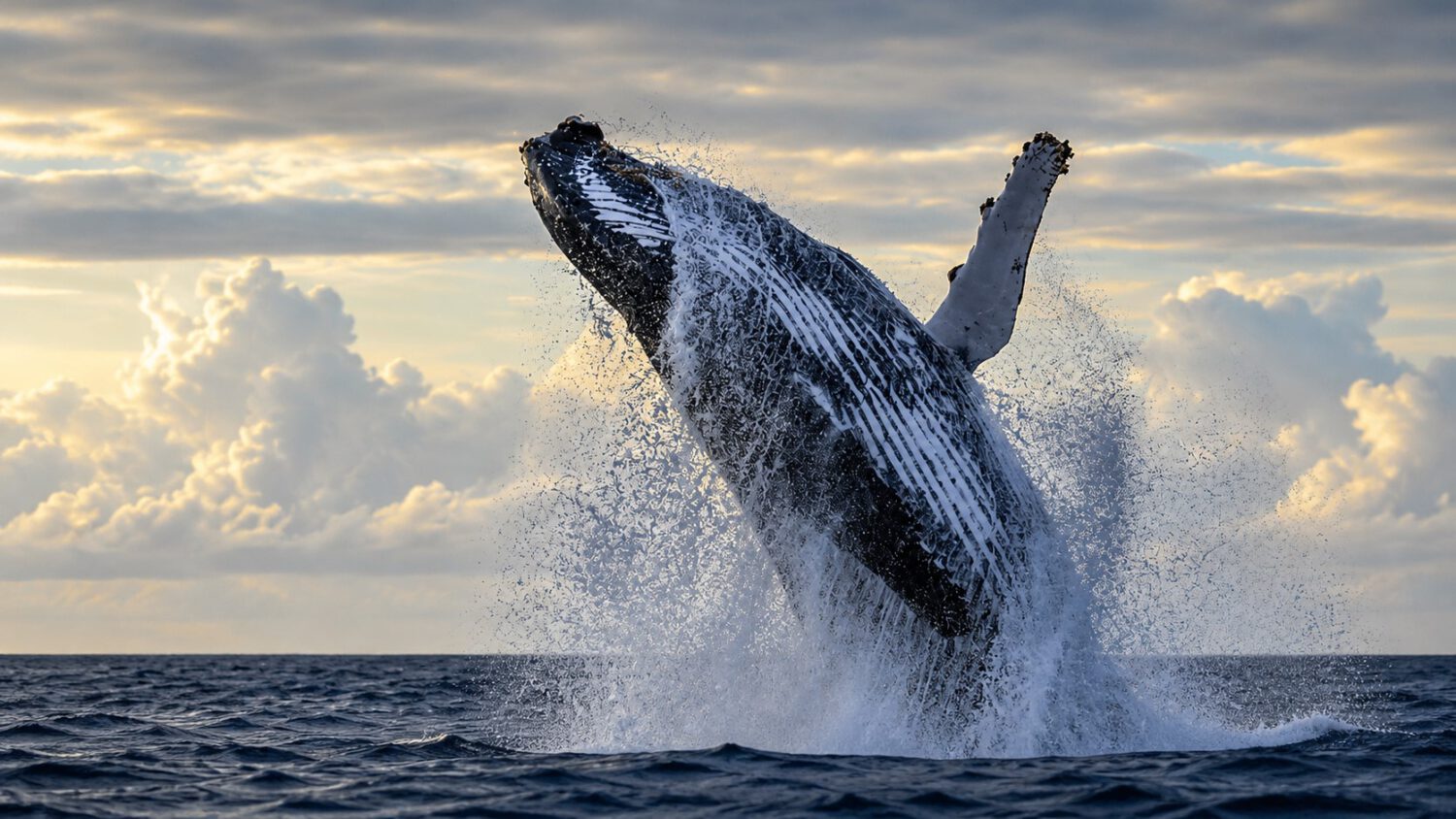
DeepGreen Holdings has filed preliminary-permit applications with FERC to study the feasibility of proposed tidal-powered subsea data centers in Upper Cook Inlet, Alaska, and Western Passage, Maine. The Alaska proposal covers roughly 1,650 acres: 66 underwater compute pods and more than 300 tidal turbines generating up to 100 megawatts. Maine is smaller, at 51 megawatts, with a cluster of subsea compute pods powered by tidal turbines. Cook Inlet is designated critical habitat for the endangered Cook Inlet beluga whale, and the Gulf of Maine is associated with critical habitat for the North Atlantic right whale. A FERC preliminary permit supports feasibility study and gives priority to file a future license application; it does not authorize construction.
The Cooling Math and Its Convenient Omissions
The efficiency argument for subsea data centers is real, but the industry keeps treating it as the final word when it is barely the first.
The logic is straightforward. Servers generate enormous heat, and seawater can carry that heat away, potentially reducing reliance on freshwater-intensive cooling systems used by many land-based facilities. Tidal turbines supply power from moving water rather than combustion. Vishal Misra, a Columbia University computer scientist, has described seawater as a readily available heat sink and noted that cooling costs are central to data-center economics.
Microsoft tested the concept off California and later off Scotland. DeepGreen’s proposed facilities would dwarf both pilots. Available reporting identifies only two operational subsea data centers globally, both in Chinese waters and both smaller than what DeepGreen is proposing for the United States.
“Available” and “consequence-free” are not synonyms. The industry keeps presenting reduced freshwater use as the closing argument when it is only the opening one.
What Gets Left Out of the Press Release
The environmental and community record around these proposals is more complicated than the cooling pitch suggests.
Cook Inlet’s water runs glacially turbid, with visibility often severely limited. The roughly 300 Cook Inlet beluga whales remaining in that population rely heavily on echolocation for navigation, feeding, and social behavior. Construction pile driving produces intense, acute noise spikes. Turbine arrays and mechanical pumps produce persistent low-frequency noise. Arial Brewer is a beluga researcher affiliated with the University of Washington and NOAA. She warned, according to Scientific American, that a project of this scale could stress belugas in multiple ways.
Thermal discharge adds another layer. Warmer water affects cold-water prey. Researchers have associated shifts in right-whale feeding patterns in the Gulf of Maine with warming conditions there. Fewer than 400 North Atlantic right whales remain in the broader population, according to available reporting. Introducing industrial heat into a system those animals depend on is not a neutral engineering choice.
The community and Indigenous record is harder to dismiss. Eastport, Maine adopted a moratorium on permits for industrial data centers, according to Scientific American. The Passamaquoddy Tribe publicly indicated it did not want to collaborate with DeepGreen. FERC flagged the original applications as deficient, in part because DeepGreen inadequately identified Indigenous tribes with historical ties to both sites.
Incomplete tribal consultation is not a paperwork error. It is a pattern.
DeepGreen’s Louis Wolfson said, according to Scientific American, that equipment unable to operate safely well within federal marine-mammal thresholds would never be licensed or deployed. Hold that statement to its full weight: if those thresholds cannot be met at the proposed scale, the project does not move forward. FERC representative Celeste Miller confirmed that a preliminary permit does not authorize construction of any kind.
The data-center industry faces a real and urgent cooling problem, driven in large part by the energy demands of artificial intelligence infrastructure. That problem deserves serious engineering. What it does not deserve is a solution that trades freshwater stress for underwater noise and habitat risks in areas used by two endangered whale populations. The standard the industry needs to meet is additive harm reduction, not harm relocation.